
The Vocal Innovator Who Rewired Atlanta Trap
Young Thug emerged from Atlanta's Zone 3 as one of hip-hop's most polarizing and influential voices of the 2010s. Born Jeffery Lamar Williams in 1991, he entered a crowded Atlanta scene already dominated by established trap architects but carved out space through sheer sonic audacity. Where his peers refined familiar formulas, Thug treated his voice as a malleable instrument—stretching syllables into strange melodic shapes, deploying unconventional cadences that seemed to ignore traditional bar structures, and switching flows mid-verse with disorienting frequency. His approach initially baffled listeners accustomed to clearer delivery, but it ultimately redefined what rap vocals could accomplish.
His breakout period from 2013 to 2015 produced a relentless stream of mixtapes that felt like transmissions from a parallel hip-hop universe. Tracks like "Stoner" and "Danny Glover" showcased a vocal flexibility that blurred the line between rapping and singing, often within the same phrase. By the time JEFFERY arrived in 2016—reviewed here at 8.7/10—Thug had refined his experimental impulses into something approaching accessible artistry without sacrificing the strangeness that made him compelling. The project demonstrated his ability to operate across sonic territories, from the haunting minimalism of "Harambe" to the melodic warmth of "Family Don't Matter," all while maintaining his signature vocal unpredictability.
Thug's significance extends beyond his own catalog. His willingness to embrace vulnerability, gender-fluid fashion choices, and emotional openness helped shift Atlanta trap away from its hardened masculinity. Artists from Lil Baby to Gunna to Playboi Carti absorbed elements of his melodic approach, while his collaborations with Metro Boomin, London on da Track, and Wheezy helped define the sound of trap's second decade. He operates as both inheritor of Atlanta's rich tradition and radical departure from it—someone who understood that innovation requires breaking established patterns, even when the culture resists.
Elastic Vocals and Architectural Sound Design
Young Thug's sonic identity centers on vocal manipulation as primary creative tool. His voice shifts registers constantly—growling threats morph into sung melodies, staccato bursts give way to elongated wails, and conventional flow patterns dissolve into rhythmic experimentation that prioritizes feel over technical precision. He treats words as raw material to be reshaped, often extending vowels until they lose semantic meaning and become pure sound. This approach demands producers who understand space and texture rather than cluttered arrangements. Metro Boomin's skeletal 808 programming on tracks like "With That" provides room for Thug's vocal acrobatics, while London on da Track's eerie atmospherics create haunted soundscapes that complement Thug's stranger impulses.
His melodic choices reveal an intuitive understanding of hooks that bypass conscious analysis. He constructs earworms through repetition and tonal variation rather than traditional melodic progression. On JEFFERY, "Pick Up the Phone" with Travis Scott demonstrates how Thug layers sung phrases over minimal production, creating hypnotic loops that feel narcotic. His ad-libs function as compositional elements—the signature "SLATT" or "Sheesh" become rhythmic punctuation that drives songs forward. Where traditional rappers use ad-libs for emphasis, Thug uses them architecturally, building songs around these vocal fragments.
Production relationships define his evolution across different creative phases. Wheezy's synth-heavy arrangements pushed Thug toward more polished melodicism on later projects, while his early work with producers like Isaac Flame embraced rougher edges. The tension between accessibility and experimentation runs through his entire catalog. Some tracks lean into pop structure and clear hooks; others dissolve into abstract vocal performances that challenge passive listening. This inconsistency frustrates some listeners but rewards those willing to engage with hip-hop as exploratory art rather than predictable formula. Thug operates best when producers give him space to be weird—constrained by commercial demands, his music loses the spontaneous energy that makes his best work feel alive.
From 1017 Thug to Cultural Architect: Thug's Ascent and Challenges
Young Thug's career trajectory begins with Gucci Mane's 1017 Brick Squad Records, where he appeared alongside future stars like Migos and Young Scooter. His early mixtapes—1017 Thug, I Came from Nothing series—established his regional presence, but 1017 Thug 2 (2013) captured wider attention. "Picacho" and "2 Cups Stuffed" displayed his developing vocal style, though the projects felt scattershot. He worked prolifically during this period, flooding the internet with loosies and guest verses that built cult following before mainstream recognition arrived.
The year 2014 marked his commercial breakthrough. "Stoner" became an underground anthem, its woozy production and Thug's elastic delivery capturing something Atlanta's trap scene hadn't quite articulated yet. Tha Tour Part 1 mixtape with Rich Homie Quan showcased chemistry that would define his collaborative peak—their vocal interplay on tracks like "Can't Tell" demonstrated how Thug's approach unlocked new possibilities for melodic trap duets. Rich Gang: Tha Tour Part 1 remains one of his most cohesive early releases, even as executive confusion around its ownership complicated his discography narrative.
Between 2015 and 2016, Thug released Barter 6 and Slime Season trilogy, a run that cemented his artistic identity. Barter 6 faced initial skepticism—originally intended as his Tha Carter V response before legal complications forced a title change—but tracks like "Best Friend" and "Halftime" proved his staying power beyond mixtape hype. The Slime Season projects flooded the market with material, some brilliant ("Digits," "Check") and some forgettable, but collectively they established Thug as relentlessly productive force. This era also spawned countless leaks and loosies that built his mythology among fans who treated unreleased Thug tracks as treasure hunts.
JEFFERY (2016) represented conscious artistic statement rather than mixtape dump. Naming each track after personal influences—"Harambe," "Wyclef Jean," "Kanye West"—suggested conceptual ambition, while the music balanced accessibility with experimentation. "Pick Up the Phone" became a crossover hit through Travis Scott's star power, but deeper cuts like "Floyd Mayweather" showcased Thug's ability to craft complete sonic worlds. The project's warm reception validated his experimental approach without forcing mainstream compromise.
His major label debut Beautiful Thugger Girls (2017) confused fans by leaning into country and folk influences, pairing his vocals with acoustic guitars and roots instrumentation. The commercial disappointment taught him that his audience accepted sonic experimentation within trap's boundaries but resisted wholesale genre abandonment. Subsequent releases like Super Slimey with Future and Slime Language compilation retreated toward familiar territory. So Much Fun (2019) became his commercial peak—debuting at number one and spawning hits like "The London" with J. Cole and Travis Scott—but felt safer than his earlier work, polished into accessibility that sometimes sacrificed the rawness that made him compelling.
Recent years brought legal troubles that complicated his creative output. His influence, meanwhile, became undeniable—the melodic approach he pioneered now dominates mainstream rap, even as younger artists often lack his willingness to push boundaries. Projects like Punk (2021) attempted rock-influenced reinvention, but his most impactful work remains those mid-2010s releases when he operated with complete creative freedom and nothing to lose. His career illustrates the tension facing experimental artists who achieve mainstream success: how to stay weird while meeting commercial expectations.
Thug's Imprint: Melodic Trap's Unruly Architect
Young Thug's influence on contemporary hip-hop exceeds his commercial success. He demonstrated that trap music could accommodate vocal experimentation and melodic risk-taking without abandoning its core identity. The current generation of Atlanta rappers—Lil Baby, Gunna, Lil Keed—all absorbed his melodic approach, though few match his willingness to sound genuinely strange. Even artists outside Atlanta's orbit show his fingerprints: Playboi Carti's abstract vocal delivery on Die Lit extends ideas Thug explored years earlier, while Travis Scott's melodic constructions owe debt to their extensive collaborations.
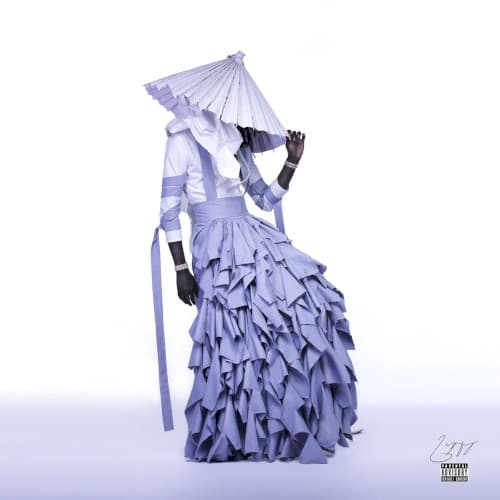
Beyond sonic influence, Thug shifted hip-hop's cultural boundaries around gender expression and vulnerability. His decision to wear dresses on JEFFERY's cover and embrace fashion that defied rap's masculine conventions opened space for younger artists to explore identity more freely. While hip-hop had always contained queer energy and gender play beneath its surface, Thug made these explorations visible in trap's hypermasculine context. His emotional openness—singing about love and vulnerability with same intensity as street narratives—helped normalize tonal range that previous generations of rappers avoided.
His production partnerships established sonic templates that defined trap's 2015-2020 sound. The minimalist 808 programming, eerie synth atmospherics, and spacious arrangements that characterized his Metro Boomin and London on da Track collaborations became industry standard. YSL Records, his label imprint, developed artists like Gunna and Lil Gotit who extended his melodic approach, though legal complications have complicated the label's legacy. Thug's willingness to embrace chaos—flooding the market with material, taking creative risks that often failed, prioritizing feeling over polish—modeled artistic approach that valued prolific output over calculated perfection. For better and worse, his influence helped create the streaming-era rapper: melodic, emotionally fluid, constantly releasing, and resistant to traditional album structure.