The Dual Identity of Hip-Hop's Most Versatile Voice
Clifford Smith carved out an unusual position in hip-hop history: the Wu-Tang member who crossed over without compromising, the hardcore MC who became a household name. Born in Hempstead, Long Island and raised in Staten Island's Park Hill Projects, Method Man emerged in 1993 as the breakout personality from the Wu-Tang Clan's revolutionary debut. His deep, raspy voice — equal parts menacing and charismatic — made him instantly recognizable whether he was trading verses with Inspectah Deck or starring in HBO comedies two decades later.
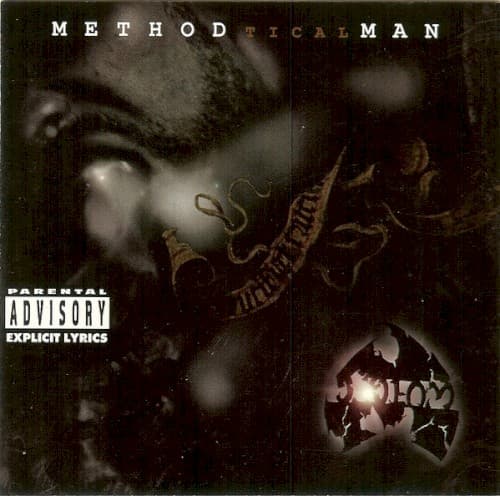
What separated Method Man from his Wu-Tang brothers was his accessibility without dilution. While GZA pursued cerebral complexity and Raekwon built cinematic narratives, Method Man delivered street-level authenticity with an everyman appeal that translated beyond core hip-hop audiences. His 1994 solo debut Tical established his solo credentials with murky, paranoia-laced production from RZA, showcasing a grittier side than his charismatic Wu-Tang features suggested. The album's success proved he could anchor a full project without the Clan's collective energy.
Beyond music, Method Man became hip-hop's most successful crossover artist in the acting realm, appearing in films and television while maintaining credibility in both worlds. His partnership with Redman produced some of the era's most entertaining collaborative work, balancing humor with technical skill. This dual ability — to sound threatening on a RZA beat and likeable on a mainstream hook — made him one of the 1990s' most commercially viable yet respected figures.
Gritty Realism Meets Radio-Ready Charisma
Method Man's vocal instrument is unmistakable: a gravelly, smoke-damaged baritone that sounds like it's been filtered through years of New York winters. He raps with a conversational directness that contrasts with the more intricate wordplay of Wu-Tang peers, favoring punchy delivery and memorable phrases over dense lyricism. His flow has a muscular, off-the-beat quality that creates rhythmic tension — he'll lag slightly behind the snare, then snap back into pocket with perfect timing. This approach gives his verses a laid-back swagger even when the content is aggressive.
The production choices across his solo work reveal two distinct sonic personalities. His RZA-helmed material — particularly on Tical — occupies shadowy sonic territory: muffled drums, eerie string samples, and minimalist arrangements that let his voice dominate the mix. These tracks sound claustrophobic and paranoid, emphasizing Method Man's street credentials. In contrast, his commercial collaborations embrace cleaner, more accessible production. His chemistry with Redman brought out a more playful side, with funk-influenced beats and uptempo energy that showcased his versatility.
Vocally, Method Man rarely relies on complex rhyme schemes or multi-syllabic acrobatics. His strength lies in personality and presence — the way he can make a simple bar sound quotable through sheer charisma. He's equally effective on aggressive battle tracks and radio-friendly duets, adjusting his delivery without changing his fundamental approach. This consistency of voice across different contexts became his signature, allowing him to navigate mainstream success while maintaining his foundation in hardcore East Coast hip-hop.
From Park Hill Projects to Crossover Stardom
Method Man's career trajectory began with perhaps the strongest individual showing on Enter the Wu-Tang (36 Chambers), where his performance on the title track and "Method Man" established him as the Clan's most marketable solo talent. While the entire group benefited from the album's cultural earthquake, Method Man's combination of street credibility and natural charisma made him the obvious choice for mainstream breakthrough. Def Jam recognized this potential, and his solo debut arrived in November 1994, just as Wu-Tang mania reached its peak.
Tical sold over a million copies despite its deliberately abrasive, uncompromising sound. The album leaned into RZA's murkiest production instincts, with tracks like "Bring the Pain" and "Release Yo' Delf" prioritizing atmosphere over accessibility. Our review noted the album's grimy aesthetic and Method Man's command of the mic, rating it 7.6/10 for its authentic representation of mid-90s New York street rap. The success proved that audiences would follow him into darker territory, establishing commercial viability for Wu-Tang solo projects across the board.
The late 90s saw Method Man expand into collaboration and crossover success. His 1995 duet with Mary J. Blige, "I'll Be There for You/You're All I Need to Get By," became a radio staple and earned a Grammy — rare mainstream recognition for a Wu-Tang member. His partnership with Redman yielded 1999's Blackout!, an album that balanced hardcore credibility with accessible energy. The duo's chemistry was undeniable: where Method Man brought gravitas, Redman contributed manic energy, and their back-and-forth felt genuinely spontaneous rather than calculated.
As the 2000s progressed, Method Man increasingly divided his time between music and acting. He appeared in films like How High and Belly, then transitioned to television with recurring roles on The Wire and Oz. This move into acting was both calculated and natural — his screen presence translated directly from his charismatic performances in music videos and interviews. Unlike most rapper-actors, Method Man earned critical respect for his dramatic work, particularly his portrayal of Cheese Wagstaff on The Wire. The acting career didn't replace music but ran parallel to it, with albums arriving less frequently but maintaining quality when they did surface.
His later Wu-Tang work showed a veteran's perspective without losing the edge that defined his early material. Albums like Wu-Tang Forever and The W featured Method Man balancing his solo identity with Clan commitments. He understood his role within the group dynamic — the accessible entry point, the member casual fans could latch onto while exploring the deeper catalog. This position never seemed to create tension; Method Man consistently championed Wu-Tang legacy while pursuing individual opportunities.
Blueprint for the Multihyphenate Hip-Hop Career
Method Man's influence extends beyond his discography into the template he created for hip-hop crossover success. He demonstrated that an artist could maintain underground credibility while achieving mainstream visibility — appearing on pop radio without being labeled a sellout, acting in Hollywood without abandoning music. His career proved that versatility and authenticity weren't mutually exclusive, a lesson that opened doors for later artists pursuing multi-platform careers.
Within Wu-Tang's legacy, Method Man occupies essential territory as the group's popular face without being its leader or most critically acclaimed solo artist. He never chased GZA's intellectual reputation or Ghostface Killah's critical darling status. Instead, he provided Wu-Tang with mainstream accessibility, bringing casual fans into the ecosystem who might then explore deeper into the Clan's catalog. This role was crucial to Wu-Tang's sustained cultural relevance — Method Man kept the brand visible during gaps in group activity.
For artists navigating the intersection of hardcore hip-hop and commercial appeal, Method Man's path remains instructive. His ability to sound comfortable on a dark RZA beat and a radio duet with Mary J. Blige showed that artistic range could be an asset rather than evidence of compromise. Later crossover artists from 50 Cent to Travis Scott have followed variations of this blueprint: maintain your core sound, but don't be afraid to show versatility. The key is making it seem natural rather than calculated, something Method Man's genuine personality always conveyed. His legacy is that of hip-hop's ultimate dual citizen — equally at home in Park Hill and Hollywood, never fully leaving either behind.