Scorecard: 7.6/10 · Great
How we score- Writing(25%)
- 7.5
The cannabis haze and project narratives are specific without being preachy, and the wordplay on tracks like "Bring the Pain" shows real craft, though the album rarely attempts storytelling complexity.
- Production(25%)
- 8.5
RZA's murky, bass-heavy beats with distorted textures and minimal drums create a suffocating atmosphere that no other producer was building in 1994, even if the hasty remixing after the studio flood left rough edges.
- Delivery(15%)
- 8.0
Method Man's deep, smooth voice glides over the grimiest beats without losing clarity, and his ability to shift from conversational to menacing within a bar keeps every track engaging.
- Cohesion(15%)
- 6.5
Thirteen tracks at under forty-five minutes should feel tight, but the sequencing sags in the middle with "Sub Crazy" and "P.L.O. Style," and the remix closer feels tacked on rather than earned.
- Originality(10%)
- 7.0
The sound is darker and more disorienting than anything on Enter the Wu-Tang, but it is still clearly a Wu-Tang album, refining the group template rather than breaking from it.
- Replay value(10%)
- 7.5
The singles hold up decades later, and the production remains strange enough to reward repeated listens, though the album's best moments are front-loaded and the back half thins out.
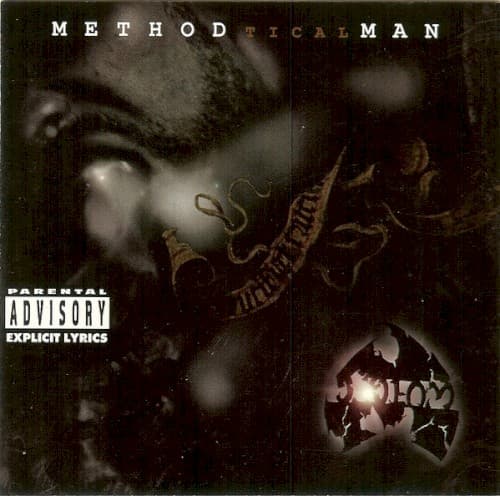
Method Man Tical — The First Solo Move That Proved the Wu Formula Could Travel
Tical works because it does not try to be Enter the Wu-Tang with one voice. It is the first proof that the Wu-Tang sound could be tailored to a single MC without losing its edge, and that RZA could produce a full album that felt like a personal statement rather than a group effort with half the crew edited out. The thesis is in the production: RZA strips the beats down to bass, distortion and empty space, then lets Method Man's voice fill the void. Where the group debut was claustrophobic and crowded, Tical is isolating. It sounds like being locked in a dim basement with someone who will not stop talking until the blunt runs out.
The stakes in late 1994 were whether the Wu-Tang model would hold. Enter the Wu-Tang had been a commercial and critical success, but it was still unclear if the solo albums would feel like real projects or like b-sides collections with the other eight members cut out. Tical answered that question by going darker and more minimal than the group album, not broader. The production is murkier, the hooks are stranger, and the writing is more focused on Method Man's own world: weed, women, and the kind of casual violence that does not need to be dramatized. It is a debut that assumes you already know who Method Man is from the group album and from his higher chart positions on the singles, then delivers exactly what that persona promised without trying to expand it. That confidence is both the album's strength and its ceiling.
The Sound RZA Built in the Wreckage
RZA produced every track except two, and the sound he created here is the grimmest in the first round of Wu-Tang solo albums. The beats are built on deep bass, distorted loops and drums so minimal they often vanish for bars at a time, leaving just the sample and Method Man's voice. On the title track, a warped vocal loop and a kick drum do all the work. On "Bring the Pain," the groove is understated and funky, but the mix is so murky that the beat feels like it is being played through a wall.
The ragga vocal tag from Booster at the end of each verse is the only bright sound on that track. "All I Need" chops a soul sample into something tender, but even that track has a low-end weight that keeps it from feeling warm. RZA's production here is not about variety or texture; it is about sustaining one mood for forty-three minutes.
The album was made under pressure. A flood at RZA's studio destroyed fifteen beats per Wu-Tang member in 1993, and many of the beats were recreated and mixed in a rush. That urgency is audible. The mixes are rougher than on the group debut, and several tracks feel like demos that were never polished.
"Sub Crazy," co-produced by 4th Disciple, has a thinner sound than the RZA tracks, and "P.L.O. Style," which Method Man co-produced, feels like a leftover. The remix that closes the album adds nothing and breaks the sequencing. But the haste also gives the record a raw quality that the more refined Wu-Tang albums do not have. It sounds unfinished in a way that matches the writing: present-tense, unvarnished, not trying to be an event.
Method Man's delivery is the album's anchor. His voice is deep and smooth enough to make even the darkest beats feel listenable, and his flow is conversational without being lazy. He can ride a minimal beat for three minutes without losing momentum, which is necessary here because RZA gives him so little to work with rhythmically. On "Release Yo' Delf," the beat is just a bassline and a Blue Raspberry hook interpolating "I Will Survive," and Method Man fills the space with a flow that never rushes.
On "Meth vs. Chef," a recorded battle with Raekwon over one of the bleakest beats on the album, both MCs sound unbothered by the lack of drums or melody. The guest verses from Raekwon and Inspectah Deck on "Mr. Sandman" are solid, but they do not overshadow Method Man, which was a real risk on a Wu-Tang project.
The writing is straightforward: weed, sex, violence, and a few moments of tenderness that do not try to be profound. Method Man is not a storyteller here, and he is not trying to build a concept. He is rapping about what is in front of him, and the specificity comes from his voice and phrasing, not from narrative detail. The weakness is that the album rarely tries anything ambitious.
There is no track that reaches for the complexity of "C.R.E.A.M." or the storytelling of what Raekwon and Ghostface would do a year later. Tical is content to be a highlight for Method Man's charisma and RZA's production, and it succeeds at that, but it does not aim higher.
A Front-Loaded Run That Loses Steam
The first stretch establishes the sound and the persona, with each track doing something distinct within the murky production template. The opening run moves from bleak atmosphere to understated groove to the album's only moment of softness. The competitive energy peaks in the middle section, where both MCs are sharp and the beat is strange enough to demand their attention.
The second half sags. The weakest moments are thin and unfocused, and they kill the momentum that the middle section builds. Two solid but unmemorable tracks follow, and by the time the posse-cut energy arrives, the album has already started to feel like it is running out of ideas. The remix that closes the tracklist adds nothing and should have been left off.
At thirteen tracks and forty-three minutes, the record is not bloated, but the sequencing makes it feel longer than it is because the best material is bunched at the front. The album would have been stronger at ten or eleven tracks, ending with the posse cut or even the competitive centerpiece.
The Blueprint Solo Album, Not the Best One
Tical is the third or fourth best album in the first round of Wu-Tang solo projects, behind Only Built 4 Cuban Linx and Liquid Swords and roughly level with Return to the 36 Chambers. It does not have the ambition or the depth of those albums, but it has a consistency of mood that makes it feel like a complete work rather than a collection of singles and filler. It proved that the Wu-Tang sound could be scaled to one MC without losing its identity, and it established the template for every solo album that followed: RZA produces, the MC gets a lane, and the result is judged on its own terms rather than as a group project with guests.
This album is for fans who want the Wu-Tang sound at its darkest and most minimal, and for listeners who value voice and presence over writing complexity. It is not for anyone looking for storytelling, conceptual ambition, or sonic variety. The singles are essential: "Bring the Pain" and the "All I Need" remix with Mary J. Blige are among the best Wu-Tang tracks of the era, and both belong on any playlist of mid-90s East Coast rap. Start there, then play the title track and "Meth vs. Chef" to hear the album at its grimmest. Skip "Sub Crazy," "P.L.O. Style," and the remix closer.
The album has aged better than its initial critical reception suggested. It was praised on release but overshadowed by the solo albums that came after it, and it still sits in that position: respected, influential, but not considered a classic. That is fair. Tical is a very good debut that delivered exactly what it promised and did not try to be more. If you want to hear what came next, play Raekwon's Only Built 4 Cuban Linx to hear RZA's production grow more filmic, or GZA's Liquid Swords to hear what Wu-Tang writing sounds like when it aims for depth. Tical is the foundation, but the best albums in the Wu-Tang catalog are the ones that built on it.
Track Listing
Tical
▲The title track sets the template: a warped vocal loop, a minimal kick, and Method Man's voice filling the space with unhurried menace. No drums, no melody, just bass and distortion. It is the album's mission statement, and it tells you immediately whether you will be able to sit with this sound for forty minutes. The acronym reveal years later (taking into consideration all lives) does not matter; the track works as pure atmosphere.
Biscuits
▲A slightly brighter beat with more rhythmic movement, though still murky by any standard outside this album. Method Man's flow is looser here, and the track has enough groove to work as a single even though it was not released as one. One of the more listenable tracks on the album without sacrificing the griminess.
Bring the Pain
▲The lead single and the album's most immediate track. RZA's beat has an understated funk that makes it the least oppressive production here, and Booster's ragga vocal tags give it a structure that the other tracks lack. Method Man's writing is sharp, the hook is direct, and the track earned its chart success by being accessible without softening the Wu-Tang sound. Still the best entry point to the album.
All I Need
▲The album's only tender moment, built on a chopped soul sample that RZA never lets get too warm. Method Man raps about monogamous love, which is rare for him and rarer still on a Wu-Tang project, and the writing is specific enough to land. The remix with Mary J. Blige became the bigger hit, but the original album version is leaner and darker, and it fits the album better. One of the best tracks here.
What the Blood Clot
●A solid mid-tempo track with a reggae influence in the title and the rhythm, though RZA's production keeps it from feeling like a departure. Method Man's delivery is calm, almost bored, which works with the beat's low energy. Not a highlight, but it holds the first half together without dragging.
Meth vs. Chef
▲A recorded battle between Method Man and Raekwon over one of the bleakest beats on the album, just bass and a dissonant loop. Both MCs are sharp, and the competitive energy makes the track feel purposeful in a way that much of the second half does not. Raekwon's verse is denser and more detailed, but Method Man's voice gives him the edge in pure presence. One of the album's peaks, and it was recorded in 1993 before the studio flood, which explains why it feels more fully realized than some of the surrounding tracks.
Sub Crazy
▼Co-produced by 4th Disciple, and the thinner sound is immediately noticeable. The beat lacks the bass weight of the RZA tracks, and Method Man sounds like he is rapping over a sketch rather than a finished production. The weakest track on the album, and it kills the momentum that "Meth vs. Chef" built. Should have been left off.
Release Yo’ Delf
▲The second single, with a more upbeat beat and a Blue Raspberry hook interpolating "I Will Survive." The disco reference should feel out of place on an album this dark, but RZA's production keeps it murky enough to fit, and Method Man's flow is relaxed without being lazy. The track did not match the chart success of "Bring the Pain," but it has aged better because it does not try to be a crossover move. A strong late-album highlight.
P.L.O. Style
▼Co-produced by Method Man, and it sounds like a leftover. The beat is unfocused, and the guest verse from Carlton Fisk adds nothing. The album's second-weakest track, and it sits right after "Sub Crazy," which makes the second half's sag even more noticeable. Filler.
I Get My Thang in Action
●A return to the RZA-produced murk, and the beat is solid if unremarkable. Method Man's writing is straightforward, and the track works as a mid-album piece without standing out. Not weak, but not memorable.
Mr. Sandman
▲The posse cut, with verses from RZA, Inspectah Deck, Street Life, and Carlton Fisk, plus a Blue Raspberry hook. The beat is darker than "Release Yo' Delf" and less melodic, and the guest verses are solid without overshadowing Method Man. Inspectah Deck's verse is the strongest, as usual, but the track belongs to RZA's production, which builds tension without ever resolving it. A good closer if the album had ended here.
Stimulation
●Another mid-tempo RZA beat with minimal drums and a distorted loop. Method Man's flow is calm, and the track works as a late-album cooldown, but it does not add anything the album has not already done better. Solid but inessential.
Method Man (remix)
▼A remix of the solo track from Enter the Wu-Tang, and it adds nothing to the original. The beat is slightly different, but not better, and the placement as a closer breaks the album's sequencing. It feels like a label decision rather than an artistic one, and the album would have been stronger without it.