Style & Context
Influences
Alexander McQueen runway drama, Herb Ritts body sculptures, botanical macro photography
Location
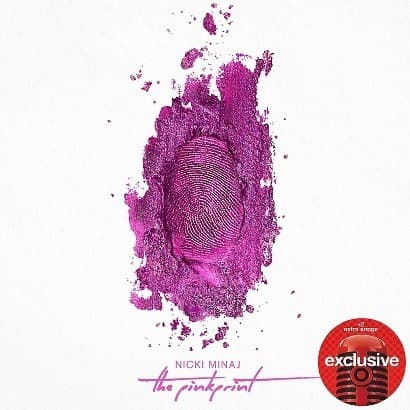
The cover speaks to Cash Money's history of maximalist visuals but filters it through mature artistic restraint and conceptual photography.
Visual Language
The technique captures movement as sculpture, turning a single millisecond into permanent monument through precise lighting and timing.
Symbols
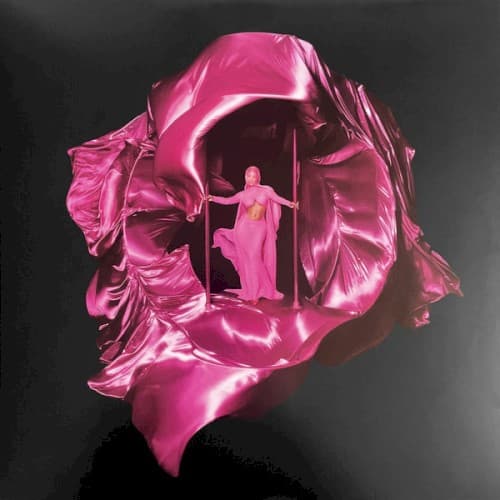
Satin fabric cocoon
The massive draped material represents both the protection Minaj built around her career and the persona she's ready to shed or reshape.
Central standing figure
Positioned like a statue in a temple, the silhouette claims space as both deity and creation, the artist inside her own monument.
Flower-like formation
The fabric's organic bloom shape feminizes traditional rap power imagery, turning softness into architectural strength rather than vulnerability.
Where Sound Meets Image
The fabric's simultaneous softness and structure mirrors the album's balance between melodic pop-rap accessibility and harder trap production. Just as the cover uses a single color to create depth through texture and shadow, the tracklist reportedly weaves Minaj's multiple vocal personalities—sing-song melodies, rapid-fire bars, dancehall patois—into a cohesive statement. The hidden figure inside the pink fortress reflects lyrics that alternate between vulnerability about industry betrayals and aggressive declarations of superiority. The sample-heavy production finds its visual equivalent in how the image samples Minaj's own iconography, remixing her established pink brand into something simultaneously familiar and transformed.
The cover will likely influence how legacy rap artists approach sequel albums—acknowledging their established visual language while proving artistic growth through execution rather than abandonment. Its fashion-editorial approach continues rap's increasing comfort with high-art aesthetics, following paths blazed by Kendrick Lamar and Tyler, The Creator but applying them to pop-rap femininity. The decision to obscure Minaj's face while keeping her presence central might free other artists to explore abstraction without losing brand recognition.