Style & Context
Influences
Blaxploitation posters, crime film marketing, martial arts cinema
Location
The cover reflects Staten Island's Shaolin mythos while channeling Manhattan's organized crime cinema legacy and designer store aspirations.
Visual Language
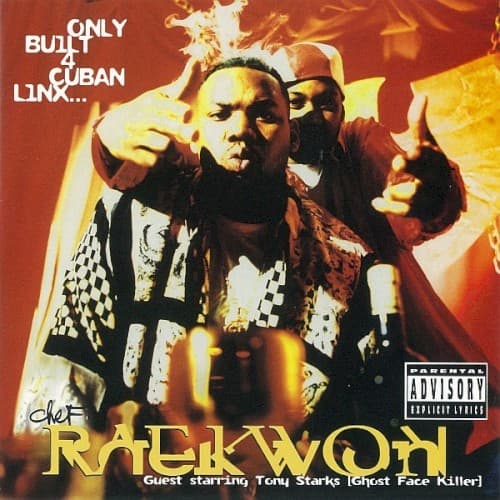
The layered photography creates depth through fire effects that feel both dangerous and theatrical, matching the album's cinematic storytelling approach.
Symbols
Engulfing flames
The fire represents both the heat Raekwon brought to rap and the burning intensity of street life in mid-90s New York.
Designer knitwear patterns
The bold geometric sweaters signal the mafioso rapper's obsession with high-end fashion as symbols of escaped poverty.
Hand gestures toward camera
The confrontational pointing creates direct engagement, pulling viewers into the album's narrative like witnesses to a crime.
Where Sound Meets Image
The cover's cinematic fire and luxury knitwear perfectly mirror the album's sonic approach—Raekwon and Ghostface Killah trade verses like co-stars in a crime epic while RZA's production layers soul loops and string arrangements. Tracks like 'Criminology' and 'Ice Cream' sound exactly like this image looks: dangerous, expensive, and theatrical. The flames match the album's constant references to cooking cocaine and burning enemies, while the golden text reflects the obsession with Cristal champagne, Wallabee Clarks, and Polo that runs through every verse. The confrontational pose captures the album's direct storytelling—Rae doesn't narrate from distance but pulls listeners into the passenger seat.
This cover established the visual grammar for mafioso rap—fire, gold lettering, designer clothing, and cinematic framing became standard for the subgenre. The purple cassette version became so legendary that fans still call it 'The Purple Tape' three decades later, proving how visual presentation can transcend the music itself. Modern rappers from Griselda Records to Benny the Butcher still reference this aesthetic when channeling street cinema in their own cover art.