Scorecard: 9.3/10 · Essential
How we score- Writing(25%)
- 9.5
Raekwon and Ghostface craft the most detailed mafioso narratives East Coast rap had heard, with imagery so specific it plays like crime cinema on record.
- Production(25%)
- 9.5
RZA builds his slowest, most orchestral soundscapes yet, layering strings and soul loops into beats that serve the narrative without overwhelming the verses.
- Delivery(15%)
- 9.0
Raekwon's meticulous flow and Ghostface's unpredictable cadence create a partnership as sharp as any duo in the genre, with every guest verse raising the bar.
- Cohesion(15%)
- 9.0
The album plays like a two-man heist film with dialogue interludes and narrative through-lines, though at seventy minutes it sags slightly in the back half.
- Originality(10%)
- 9.5
The Gambino aliases, the slang, the cinematic structure and the purple cassette packaging invented the template every mafioso rap album would follow.
- Replay value(10%)
- 9.5
Dense lyrics reveal new details on every listen, and the slow tempos age better than the faster boom bap of the era, holding up across three decades.
Raekwon Only Built 4 Cuban Linx — The Blueprint Every Crime Rapper Stole
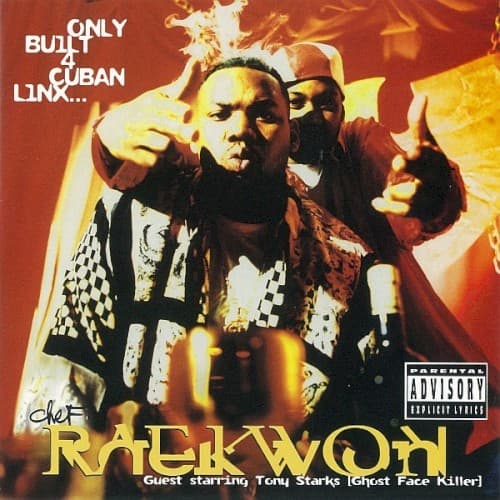
Only Built 4 Cuban Linx arrived in August 1995 as the fourth Wu-Tang solo project and immediately reset the ceiling for what a rap album could accomplish. Raekwon and Ghostface Killah turned two hours in RZA's Staten Island basement into seventy minutes of crime narrative so detailed and immersive that it made every previous drug-rap record sound like a sketch. The thesis is embedded in the Gambino aliases, the Isaac Hayes strings, the dialogue interludes and the purple cassette: this is not a collection of songs but a film on wax, and the film is about two men trying to make one last score before the life consumes them.
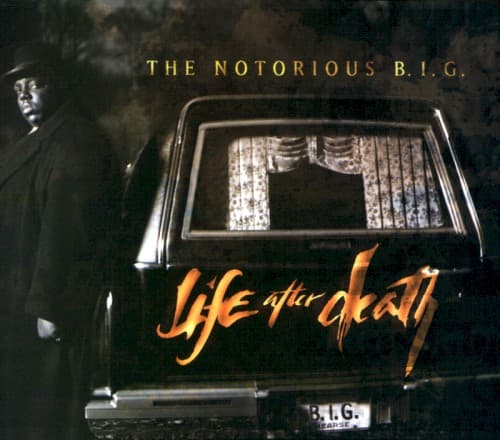
The stakes were high enough that Nas called it a classic in the making before it even dropped. The album debuted at number four on the Billboard 200 with 130,000 copies sold, lower than Method Man or Ol' Dirty Bastard, but within a year it had rewritten the rules for East Coast rap. Jay-Z built Reasonable Doubt on its framework. Biggie added mafioso posturing to Life After Death because of it.
Nas became Escobar because Raekwon handed him the alias on Verbal Intercourse. The influence runs so deep that Pusha T still played it for Kanye West in 2018 while making Daytona. The argument for Only Built 4 Cuban Linx is not that it invented crime rap—Kool G Rap had been doing it since the late eighties—but that it perfected the form and made it the dominant mode of the genre for the next decade. Every luxury reference, every Cristal mention, every alias-driven crew concept in nineties rap leads back to this album.
RZA's Basement Cinema and the Slang That Rewired Rap
RZA recorded the entire album in his Staten Island basement without assistants or outside engineers, working through late 1994 and into mid-1995. He slowed the tempos down from Enter the Wu-Tang and layered in strings, piano loops and orchestral soul samples from Isaac Hayes and Syl Johnson, building the most widescreen production the Clan had released. Tracks like Criminology use breakbeat structures that mimic old DJ tapes, while Incarcerated Scarfaces and Glaciers of Ice deploy vocal samples from kung fu and mafia films to reinforce the narrative. The sound is deliberate and patient, with space for Raekwon and Ghostface to weave in and out of the beats without rushing.
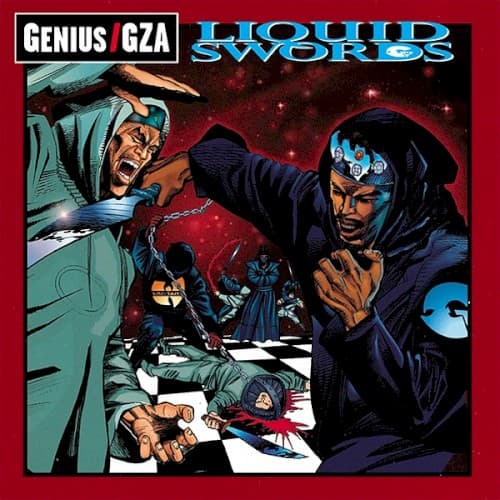
Several beats intended for GZA's Liquid Swords ended up here because Raekwon was in the studio at the right moment, and the collaboration between the two albums gives them a shared sonic palette. RZA samples The Killer director John Woo extensively, and Woo later became friends with the crew, which speaks to how seriously the album took its filmic ambitions.
The writing is where the album separates itself from every predecessor. Raekwon and Ghostface draw from their adolescence in Staten Island during the crack era and translate it into narratives that feel lived rather than performed. The Supreme Alphabet and Supreme Mathematics appear throughout, blended with street slang so specific that it created its own lexicon: the ice metaphors, the Wallabee talk, the Gambino family structure.
Ghostface requested the breakbeat on Criminology and delivered a verse so sharp that Cypress Hill's DJ Muggs praised it publicly. Nas shows up on Verbal Intercourse and holds his own, which was the album's first non-Wu collaboration and proof that the project could stand alongside anyone. Cappadonna appears on Ice Water and Ice Cream after U-God got locked up mid-recording, and his verse on Ice Cream became his commercial breakthrough. Every guest raises the standard.
The interludes between tracks feature Raekwon and Ghostface talking about money, fashion and strategy, and the dialogue adds texture without slowing the momentum.
The album's only real weakness is its length. At seventy minutes across eighteen tracks, the back half loses some urgency. Wisdom Body and Spot Rusherz are solid but not essential, and Shark Niggas (Biters) is a minute-long interlude that could have been cut. The sequencing works because RZA structured it like a film, but a tighter sixty-minute version would have been sharper.
That said, the density rewards the length. These are not hooks-and-filler tracks; they are verses packed with imagery that reveal more on repeat listens, and the slower tempos mean the writing can breathe.
The Heist Arc and the Cost of the Life
The opening stretch sets the stakes and executes the first robbery, establishing the mission that defines the narrative. The middle section is where the album peaks, balancing introspection with action across a sequence that adds layers to the story with each track. The back half sags slightly, with one commercial moment feeling lighter than what surrounds it and a solid stretch that never quite reaches memorable.
The closing run introduces the aliases that would define the crew and influence every rap collective that followed, then wraps the narrative with guidance that completes the journey. The sequencing earns the seventy-minute runtime by treating the album as a journey rather than a playlist, but the pacing could have been tighter in the final third.
The Album That Made Crime Rap the Standard
Only Built 4 Cuban Linx is the best pure mafioso rap album ever made and one of the two essential Wu-Tang solo projects alongside Liquid Swords. It sits at the center of nineties East Coast rap: everything Jay-Z, Nas and Biggie did with luxury imagery and crime narratives from 1996 onward traces back to this record. Raekwon and Ghostface defined a partnership as sharp as EPMD or Gang Starr, and RZA built the slowest, most orchestral production of his career to support it.
The influence is so complete that the album's slang, aliases and even its champagne references became genre standards for a decade. The writing is dense enough that casual listeners will bounce off it, but serious rap fans who want to understand where the sound came from will find this indispensable. Start with Incarcerated Scarfaces, Criminology and Verbal Intercourse to hear the album at its sharpest, then work backward to the interludes and forward to the sequencing.
The length is the only flaw: seventy minutes is a lot to ask, and the back half could have been trimmed by ten minutes without losing anything essential. Skip this if you want hooks and immediacy; this is an album that requires attention and rewards it slowly. After this, hear Liquid Swords for the other side of RZA's 1995 sound, then Reasonable Doubt to hear where Jay-Z took the blueprint. Only Built 4 Cuban Linx created the template, and three decades later it still plays like the film it was designed to be.
Track Listing
Striving for Perfection
▲The opening dialogue sets the mission: Raekwon and Ghostface talking about their goals and the one last score. It establishes the album as a narrative rather than a song collection.
Knuckleheadz
▲The heist begins with a robbery in the intro and U-God's character killed off at the end of his verse because he was locked up during recording. Ghostface and Raekwon trade verses over a mid-tempo RZA beat that lets the storytelling breathe. The writing is specific enough to feel like a scene from a crime film, and the execution kicks the album into gear immediately after the intro.
Knowledge God
●Raekwon alone over a slower, more meditative beat. The Five Percenter references are dense, and the verse works as a thesis statement for his worldview. Solid writing but not a peak moment.
Criminology
▲The breakbeat structure that Ghostface requested from RZA gives this the most immediate energy on the album, and both rappers deliver sharp verses. Ghostface's performance drew praise from DJ Muggs, and the writing is detailed enough to reward close attention. One of the album's clearest examples of the mafioso style executed at the highest level, and it worked as a single without compromising the depth.
Incarcerated Scarfaces
▲The album's centerpiece and its most referenced track. Raekwon builds a narrative about friends locked up and the weight of the life, and the pacing matches the subject. RZA's production layers vocal samples and strings into a beat that feels like a slow pan across a prison yard. The writing is the most cinematic on the record: every image is specific, every detail earned. This is the track that defined the album's reputation and the one that still gets cited as a mafioso rap standard three decades later.
Rainy Dayz
▲Blue Raspberry's vocals on the hook add texture, and Ghostface delivers one of his most introspective verses. The rain metaphor runs through the track without feeling forced, and the sequencing after Incarcerated Scarfaces gives the album room to breathe. Strong writing and a memorable hook make this one of the more accessible tracks without losing the depth.
Guillotine (Swordz)
▲Inspectah Deck and GZA join Raekwon and Ghostface for a posse cut built around sword and execution imagery. Every verse is sharp, and the track avoids the chaos that often sinks Wu-Tang group efforts. RZA's production keeps the tempo slow and lets the writing take center stage. A highlight for fans who want to hear the Clan at full strength.
Can It Be All So Simple (remix)
●The remix of the Enter the Wu-Tang track built around a Gladys Knight sample. Raekwon and Ghostface update the original verses and stretch the narrative out over a longer runtime. The production is warmer and more soulful than the rest of the album, and the track works as a breather in the sequencing. Not essential but far from filler.
Shark Niggas (Biters)
●A minute-long interlude with Ghostface talking. It adds personality but could have been cut without affecting the album.
Ice Water
▲Cappadonna's first appearance after replacing U-God, and he holds his own alongside Raekwon and Ghostface. The track is built around the ice metaphor that runs through the album, and the writing is sharp without being a peak moment. Solid contribution to the middle stretch.
Glaciers of Ice
▲The intro features Ghostface explaining how he dyes Wallabees, which became a famous piece of Wu-Tang lore. The track itself is built around ice imagery and features a strong verse from Masta Killa. RZA's production is slower and more atmospheric than most of the album, and the sequencing gives the back half a second wind. One of the deeper cuts that rewards attention.
Verbal Intercourse
▲Nas shows up for the album's only non-Wu collaboration and delivers one of his sharpest guest verses of the decade. Ghostface matches him bar for bar, and Raekwon holds his ground. The track marks a turning point where the album proved it could stand alongside anyone outside the Clan, and the writing is dense enough that it takes multiple listens to catch everything. A clear highlight and one of the most replayed tracks three decades later.
Wisdom Body
●Ghostface and Raekwon over a minimal beat. The writing is solid but not essential, and the track feels like a bridge rather than a destination. The album's length starts to show here.
Spot Rusherz
●Raekwon alone over a mid-tempo beat. The verse is competent but not memorable, and the track serves as filler in the back half. Trimming this would have tightened the album.
Ice Cream
●The album's most commercial moment, with Method Man and Cappadonna joining Raekwon and Ghostface for a track built around ice cream flavors as a metaphor for women. Cappadonna recorded his verse after joking about getting on the track, and it became his breakthrough. The hook is catchy, and the writing is lighter than the rest of the album. It worked as a single and reached number 37 on the Billboard Hot 100, but it feels out of place next to the heavier material.
Wu-Gambinos
▲The track that introduced the Gambino aliases and the concept that would influence every rap crew for the next decade. Raekwon assigns names to the crew based on mob films and luxury brands, and the track establishes the family structure. Method Man, RZA and Masta Killa all contribute, and the writing is specific enough to make the aliases feel earned rather than gimmicky. One of the album's most influential moments even if it is not the sharpest track musically.
Heaven & Hell
▲The first single, recorded for the Fresh soundtrack before the rest of the album. Blue Raspberry provides the hook, and Raekwon and Ghostface deliver strong verses over one of RZA's more soulful beats. The track works on its own but fits the album's sequencing, landing near the end as the narrative winds down. Solid closer to the main action.
North Star (Jewels)
▲Popa Wu delivers guidance and wisdom over a Barry White sample, with Raekwon and Ol' Dirty Bastard closing the album. RZA described the track as the completion of the mission, and it plays like end credits. The sequencing earns the placement, and the track provides closure without feeling preachy. A fitting end to the narrative.