Style & Context
Influences
Larry Clark's brutal realism, Wolfgang Tillmans' body closeups, Danny Clinch's intimate portraits
Location
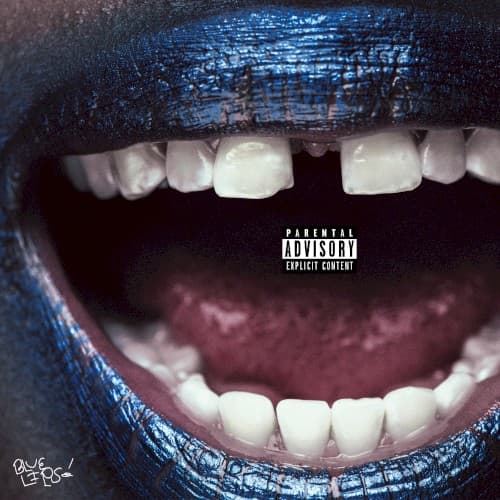
Figg Side Hoover Street realities show through unedited dental work and the refusal to present sanitized imagery.
Visual Language
The unflinching macro approach forces viewers into confrontational proximity with street-marked physicality and chemical culture.
Symbols
Missing front tooth
The gap represents street violence, survival, and refusing to hide scars from gang life.
Electric blue coloration
The unnatural hue references lean consumption and the chemical escapes prevalent in West Coast culture.
Wide open mouth
The aggressive positioning communicates confrontation, truth-telling, and refusing to stay silent about street realities.
Where Sound Meets Image
The visceral imagery mirrors Q's melodic yet gritty approach on the album, where atmospheric production carries unflinching street narratives. The open mouth suggests the soul-baring confessions throughout the project, while the chemical blue reflects the numbing substances referenced across tracks dealing with trauma and survival. The missing tooth becomes visual metaphor for what gang life has taken from Q—gaps that can't be filled, losses that remain visible despite success. The raw intimacy of the closeup matches the album's vulnerable examination of fatherhood, addiction, and navigating fame while carrying street history.
This cover pushes hip-hop photography toward confrontational realism that rejects retouching and aspirational posturing. The extreme closeup approach influences how artists visualize authenticity, proving street credibility can be communicated through vulnerability rather than aggression. The design's refusal to beautify or sanitize sets a precedent for presenting unedited physical evidence of street life, marking a shift from glamorized gang imagery to documentary-style truth-telling in West Coast visual culture.