From 52 Hoover Crip to Chart-Topping TDE Architect
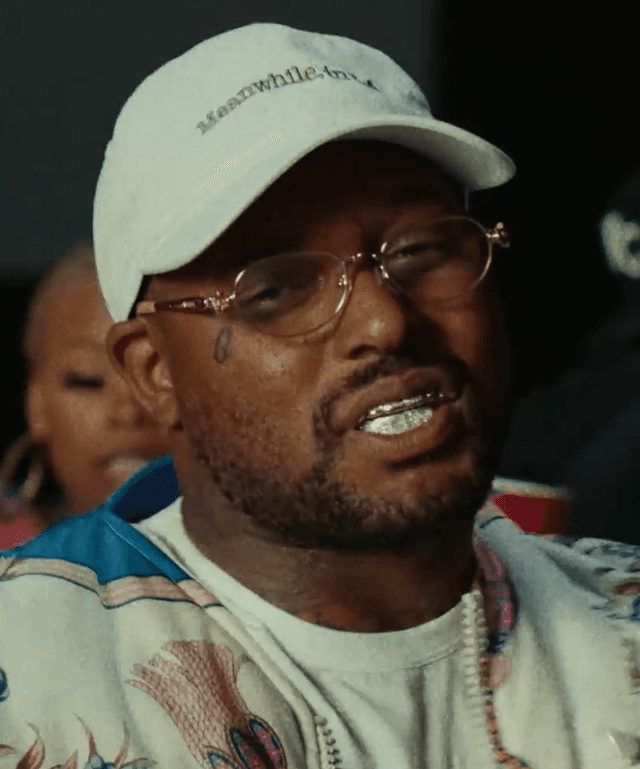
Quincy Matthew Hanley arrived at hip-hop's intersection of street authenticity and sonic experimentation during a moment when West Coast rap desperately needed new blood. Born in Germany to military parents before settling in Los Angeles, ScHoolboy Q grew up navigating South Central's 52 Hoover Crips territory — an affiliation that would color his music with lived-in detail rather than performative posturing. His trajectory from the margins to Top Dawg Entertainment's commercial vanguard happened gradually, marked by a relentless work ethic and willingness to push beyond traditional gangsta rap boundaries.
What separates ScHoolboy Q from countless Los Angeles rappers mining similar biographical material is his ability to balance unflinching street narratives with musical curiosity. He doesn't simply document gang life — he interrogates it, questioning his own past while refusing to sanitize the contradictions. His voice carries a distinctive rasp, his flow alternates between menacing staccato bursts and surprisingly melodic phrasing, and his production choices favor atmospheric darkness over nostalgia. By the time Oxymoron cracked the commercial ceiling in 2014, Q had already established himself as TDE's resident wild card, the member willing to chase radio success without sacrificing the grit that made him compelling.
His significance extends beyond chart positions or streaming numbers. ScHoolboy Q represents a bridge generation — too young for the Death Row era, too rooted in Los Angeles street culture to fit neatly into blog-rap aesthetics, yet sophisticated enough to collaborate with producers from both coasts and absorb influences from trap to psychedelia. He proved that West Coast gangsta rap could evolve without losing its edge, that commercial ambition and artistic integrity weren't mutually exclusive, and that a former gang member could discuss fatherhood and mental health without diminishing his credibility.
Menacing Minimalism Meets Studio Experimentation
ScHoolboy Q's sonic signature revolves around negative space and textural grit. Where many West Coast contemporaries reached for funk samples or modern trap maximalism, Q gravitates toward skeletal production — 808s that hit like gut punches, sparse piano lines trailing into darkness, synth pads that hum with ambient menace. His collaboration with producers like THC, Nez & Rio, and Tyler, The Creator yielded music that sounds claustrophobic and expansive simultaneously, creating atmospheres dense with paranoia yet open enough for his voice to dominate.
His flow pattern defies easy categorization. The trademark "yawk yawk yawk" ad-libs and aggressive delivery suggested straightforward gangsta posturing, but Q's rhythmic instincts reveal deeper complexity. He pocket-rides beats with jazz-influenced timing on one track, then delivers machine-gun syllables on the next. His voice itself became an instrument — that gravelly rasp capable of conveying threat, humor, introspection, or hedonism depending on context. He understood that delivery mattered as much as content, that how you say something often overshadows what you're actually saying.
The production landscape of his albums consistently pushed boundaries without chasing trends. Oxymoron balanced major-label polish with underground sensibilities, pairing Pharrell's smoothness against Alchemist's murk. Later work incorporated live instrumentation, psychedelic flourishes, and even funk elements without ever sounding like cosplay. Q's willingness to work with unexpected collaborators — from electronica producers to alternative rock musicians — kept his sound evolving, ensuring that each project offered sonic surprises while maintaining his core identity. He never mistook experimentation for innovation, always anchoring adventurous production choices in recognizable emotional territory.
The Slow Build from Setbacks to Mainstream Breakthrough
ScHoolboy Q's recording career began in earnest with 2008's ScHoolboy Turned Hustla, a rough-edged independent effort that established his street bona fides but barely registered beyond Los Angeles. The real foundation emerged with Setbacks in 2011, a mixtape-turned-retail-release that introduced his chemistry with TDE's in-house producers and showcased his ability to craft cohesive projects rather than simply stacking impressive verses. Tracks like "Figg Get Da Money" and "Light Years Ahead" revealed an artist thinking in album terms, building atmospheres and sequencing songs with intention. The project didn't break commercially, but it positioned him as TDE's grittiest member, the counterbalance to Kendrick Lamar's conscious complexity and Jay Rock's pure aggression.
Habits & Contradictions arrived in 2012 as his proper major-label debut, a darker and more refined statement that balanced commercial ambitions with artistic credibility. The album captured Q at a crossroads — acknowledging his drug dependencies, gang ties, and violent past while simultaneously pursuing mainstream success and grappling with fatherhood. Songs like "There He Go" showcased his melodic range, while "Hands on the Wheel" featuring A$AP Rocky demonstrated his ability to craft late-night vibe records without losing his edge. The project sold modestly but earned critical respect, proving Q could deliver a complete artistic statement rather than just street anthems.
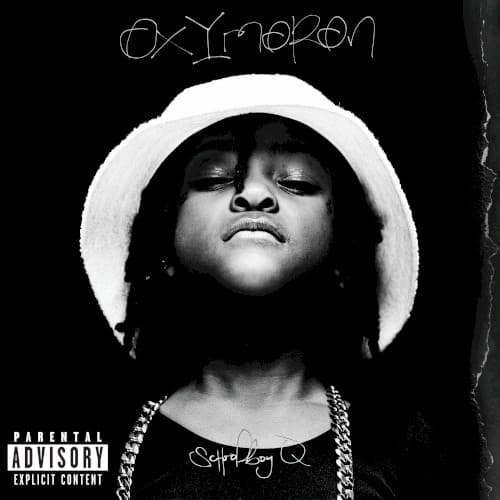
Oxymoron represented the full realization of his potential, a 2014 release that debuted at number one and spawned legitimate radio hits without compromising his core identity. The album's brilliance lay in its contradictions — the title itself acknowledging the tension between street life and commercial ambition, between drug culture celebration and acknowledgment of its destructive power. "Collard Greens" became an unlikely crossover smash, "Man of the Year" served as a triumphant anthem, and deeper cuts like "Prescription/Oxymoron" and "Hoover Street" provided the darkness and introspection that kept the project from feeling like a calculated pop move. The album's commercial success — platinum certification, sustained chart presence, sold-out tours — established Q as TDE's most reliable hitmaker beyond Kendrick.
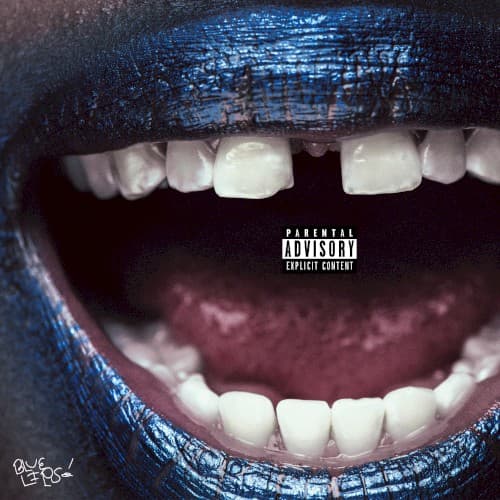
Blank Face LP followed in 2016, a sprawling and ambitious effort that leaned harder into darkness and experimentation. With features from Kanye West, Anderson .Paak, and E-40, the album showcased Q's industry connections while maintaining his artistic vision. "THat Part" featuring Kanye became a club staple, but the album's heart resided in its more challenging moments — the nine-minute "Blank Face" epic, the menacing "JoHn Muir," the vulnerable "Dope Dealer" reflecting on his daughter's future. Critically praised but less commercially dominant than Oxymoron, the album proved Q's willingness to prioritize artistic growth over repeating proven formulas.
CrasH Talk arrived in 2019 after a three-year gap, revealing an artist struggling to balance expectations with creative evolution. The album featured high-profile collaborations with Travis Scott, Lil Baby, and Kid Cudi, chasing contemporary sounds that sometimes fit awkwardly against Q's established aesthetic. "Numb Numb Juice" and "Chopstix" found him adapting to modern trap cadences with mixed results. The project debuted at number three and went gold, proving his commercial viability remained intact, but critical reception cooled compared to earlier work. Many heard an artist caught between his street foundation and industry pressures, unsure which direction to commit to fully. He subsequently took an extended break from releasing new material, focusing on family and reassessing his artistic direction.
Redefining West Coast Gangsta Rap's Commercial Possibilities
ScHoolboy Q's lasting impact on hip-hop centers on his role as a bridge figure — connecting West Coast gangsta rap's legacy to modern production sensibilities and commercial structures. He demonstrated that artists rooted in street culture didn't need to choose between authenticity and mainstream success, that Los Angeles rap could evolve beyond G-funk nostalgia without abandoning its regional identity. His willingness to work with producers outside traditional West Coast circles opened pathways for younger artists to explore sonic diversity while maintaining credibility.
His influence on the TDE blueprint shouldn't be understated. While Kendrick Lamar became the label's critical darling and commercial juggernaut, Q carved out space for TDE artists who prioritized vibe and atmosphere over conceptual ambition. His success proved the label could cultivate multiple lanes simultaneously, that a roster could contain both conscious rap and unrepentant street music without creative conflict. Artists like Isaiah Rashad and Reason benefited from the commercial infrastructure Q helped build, his chart success demonstrating that TDE's reach extended beyond Kendrick's phenomenon.
Beyond sales figures and industry positioning, ScHoolboy Q's legacy resides in his honest documentation of gang life's contradictions. He never glorified his past without acknowledging its costs, never celebrated drug culture without confronting its damage, and never claimed to have all the answers. That vulnerability — rare in gangsta rap's hyper-masculine landscape — influenced a generation of rappers willing to discuss mental health, fatherhood struggles, and personal contradictions without sacrificing their street credibility. His career proved that complexity and authenticity could coexist, that growth didn't require denouncing your past, and that West Coast rap's future lay in evolution rather than repetition.