The scorecard
7.8/10 · Great
- Writing25%
- 8.0
- Production25%
- 7.5
- Delivery15%
- 8.5
- Cohesion15%
- 6.5
- Originality10%
- 8.5
- Replay value10%
- 8.0
Surreal, deadpan lines and offbeat humor on tracks like Shake and Soap Opera feel specific to him, though the weaker cuts lean on gangster-rap clichés.
The Heatmakerz, Kanye West, Pop & Versatile and Skitzo supply big, strange, soul-soaked beats, with the choir sample on Get 'Em Girls the boldest choice.
His tightened, poker-faced flow is funnier and more controlled than on earlier albums, and guests like Juelz Santana and Twista add contrast.
Twenty-four tracks with five skits and a baggy middle stretch drag down an otherwise strong album.
The mix of luxury, neighborhood loyalty and absurdist humor over maximal soul production was unlike anything else in 2004 rap.
The best songs still sound bold and funny years later, but the skits and weaker guest cuts are easy to skip on repeat.
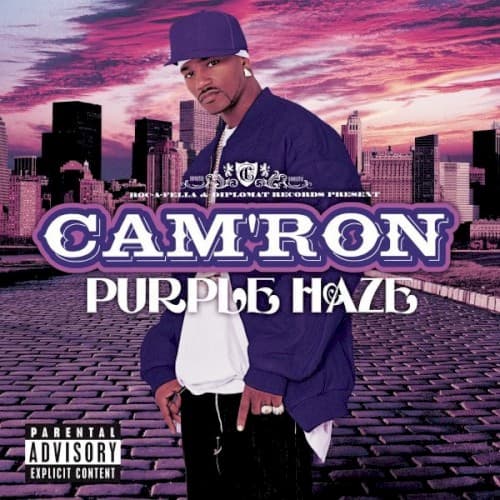
Cam'ron Purple Haze: When the Deadpan Became a Method
Purple Haze is the album where Cam'ron's strangeness stopped being a quirk and became a method. The poker-faced delivery that sounded like a limitation on his debut turns here into a deliberate comic instrument, and the beats around him, bright, maximal and half-ridiculous, finally match it. The consensus calls this the peak of his classic era, and the consensus is mostly right. My disagreement is with the tracklist, not the talent: at twenty-four tracks it is a great album wrapped in an unnecessary amount of packaging.
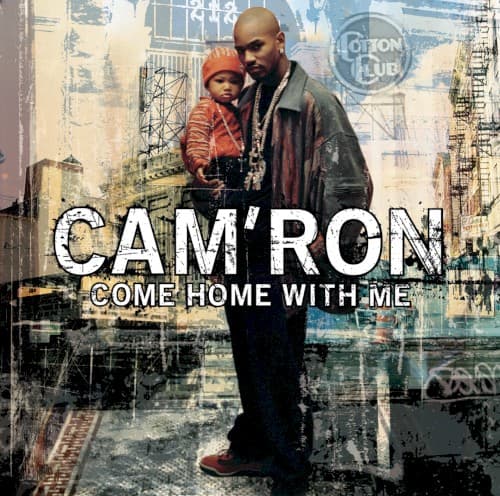
Its place in the lineage is worth stating clearly. Roc-A-Fella's hyper-soul sound was already the dominant New York style of the early 2000s, and Cam'ron had spent Come Home With Me proving he could rap on it. Purple Haze pushes the style until it breaks. A choir sample turns a street anthem into something operatic, a Cyndi Lauper interpolation turns a song about women into a pop-rap pun, and the rapper treats all of it with the same flat shrug. That combination of luxury, absurdity and neighborhood loyalty is what later rappers learned from, and it explains why critics keep returning to the record years later.
The circumstances around it were messy. The release slipped by a year after its first single appeared, the label was being restructured around it, and the relationship between Cam'ron and Roc-A-Fella's leadership was strained. It debuted at number 20 on the Billboard 200 and eventually went gold, a modest result for an album this strong. The commercial underperformance is part of the story: this was a major-label record made by an artist who sounded increasingly unwilling to behave like one.
So the thesis is simple. Purple Haze is the best album of Cam'ron's career because it commits fully to what made him unusual, and its flaws are mostly questions of editing.
Operatic Samples, Surreal Jokes and Five Skits Too Many
The production is varied, loud and unusually confident. A long list of producers contributes, including the Heatmakerz, Kanye West, Pop & Versatile, Skitzo and others, and the album still hangs together because everyone is working in the same register: big drums, chopped soul, melodrama. That is the Roc-A-Fella sound at its most theatrical. Samples range from reggae and soul to television themes and classical choir, and the oddest choices, like a grand choir sample applied to a street story, are the ones that work best because the rapper plays them straight.
Cam'ron's writing is the real subject. His lines are surreal, deadpan and often funny, built on non-sequiturs and strange comparisons that make a boast sound like a private joke. Critics have described it as a mix of pop hooks and offbeat rhymes, and that is accurate: he can write a chorus that sticks and a verse that makes no sense and have both feel like the same artist. Unlike his earlier albums, the detail is specific, the neighborhood is present and the humor is sharper. His flow is also tighter than before, with a more controlled rhythm that lets the jokes land.
The weaknesses are clear. A few songs are weaker than the rest: the guest-led R&B and pop-leaning cuts, including a couple that critics singled out, add little. One reviewer compared his delivery to nursery rhymes, and on the weaker tracks that criticism fits, where the cadence repeats and the writing leans on clichés of gangster rap instead of subverting them. The mood is also sometimes smug, with a distance that can make the album feel like a performance rather than a confession.
The skits are the largest problem. Five of the twenty-four tracks are skits, and while a couple are funny, most break the momentum and add running time without adding substance. The album's ambition to be a full world, with characters and neighborhood life, is interesting on paper and tedious in sequence. Cutting them would improve the pacing at no cost.
Guests are used wisely. Kanye West and Syleena Johnson on one of the album's best songs, Jim Jones, Freekey Zekey, Twista and others give the record texture without taking it over. The guest list reflects the crew's growth and the album's reach beyond Harlem.
What carries it is the commitment. Even when a song is weak, the voice, the production choices and the strange sense of humor give it enough life to justify its place, and the best songs rank among the most distinctive rap records of the decade.
A Tight Opening, a Baggy Middle and a Crew Anthem Finish
The album's pacing is a case of ambition outrunning discipline. It opens strongly: a short introduction hands off to a hard, quick opening run that sets up the album's character before the skits begin to interrupt. The first six or seven songs are tight, varied and confident, and they establish the voice and the beat palette with very little wasted time.
The dip arrives in the middle. A cluster of skits and pop-leaning songs around the center of the album slows the momentum considerably. The skits, in particular, arrive at awkward intervals, each one interrupting a mood that the previous song had built. By the time the album reaches the stretch of mid-tempo tracks, the energy has dropped and the listener is waiting for something to pull it back up. The recovery comes with the street-oriented songs, which restore the sense of purpose, and with the late run of guest-heavy cuts that bring a harder edge.
The ending is strong. The final songs return to the crew, the neighborhood and the loud, orchestral beats, and the album closes with a statement of loyalty rather than a fade. That choice gives the listener a reason to feel the album was shaped, even if the middle was baggy. The last stretch is among the best on the record, led by the Diplomat-themed anthem.
Is the length earned? Partly. Twenty-four tracks running over an hour and a half is far more than the material needs, and removing the skits, a few filler songs and a couple of guest features would produce a tighter record of around fifteen tracks and a stronger argument for the style. As it stands, the album rewards the listener who skips and curates, and a straight-through listen requires more patience than it should. The peaks are high enough to justify the effort, and the sequence is less a flaw than a tax.
His Best Album, Held Back Only by Its Editing
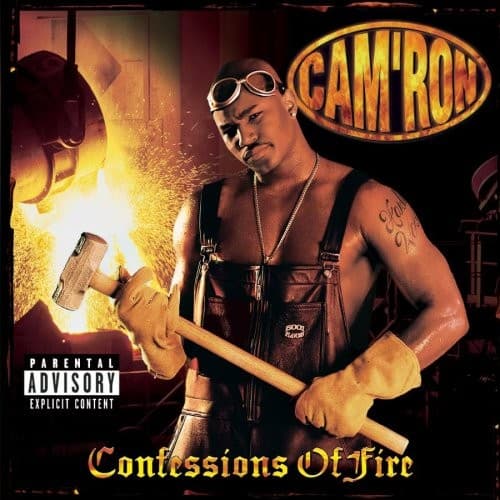
No other Cam'ron albums are rated on the site yet, so the ranking rests on comparison with what the record shows against his own work. Purple Haze is better than Come Home With Me because it trades safe soul loops for stranger, riskier ones, and it is far better than Confessions of Fire because the voice is no longer being fitted to someone else's template. It is his best album and, at its best, one of the decade's most distinctive rap records. The scores reflect that: the writing and delivery are among his strongest, the production is excellent and original within its style, and the cohesion score is held back by the length and the skits.
The critical record supports the placement. Reviews at the time were generally positive and the Metacritic average was 72, and later lists have placed it among the best albums of the 2000s and among the greatest hip-hop albums overall. That later recognition reads as correction: the album sold modestly because of the label chaos around it, and its reputation has grown because the music is better than the circumstances.
Who should start here? Anyone interested in New York rap of the early 2000s, anyone who likes jokes in their gangster rap, and anyone curious about the roots of the Diplomats sound. Who should skip it? Listeners who want a lean, serious album or who are put off by absurdist humor, because the style asks you to accept that the voice is not entirely serious. It has aged very well: the production still sounds bold and the humor has not dated.
Three tracks make the case. Start with Down and Out for the Kanye West beat and the album's emotional high point, then Shake for the hard, strange side, and Dip-Set Forever for the crew anthem that closes the argument. For what to hear next, Come Home With Me shows the commercial version of the same voice, and Confessions of Fire shows where it started.
Purple Haze is the record in which a rapper stopped sounding like he was auditioning for the genre and started sounding like the only person in it.
Track by track
Track Listing
Intro
SolidA short opener that sets the scene with a playful, theatrical beat. It is brief and effective as a cold open.
More Gangsta Music
StandoutA Heatmakerz production with Juelz Santana that sets the album's palette: a lush reggae-tinged sample, bouncy drums and two rappers trading relaxed, funny lines. The beat feels warm and slightly unhinged, and Cam'ron's delivery turns what could be a standard boast into a joke. Critics singled out the production as a strength. It is the clearest signal that this album is going to be louder and weirder than his earlier work, and it makes a strong first impression without overreaching. The hook is simple, the verses are sharp and the chemistry with Juelz is easy. A great opener that proves the formula.
Get Down
StandoutA short, brisk track built on a Marvin Gaye sample. It is energetic and over before it wears out, a quick burst that keeps the opening run moving.
Welcome to Purple Haze (skit)
WeakA brief skit that introduces the album's neighborhood-theater concept. It is mildly amusing and mostly filler.
Killa Cam
StandoutA Heatmakerz beat with the rapper's alter ego front and center, built on a big, menacing loop. The delivery is more aggressive than elsewhere, and the song is a reminder that the humor never fully displaces the threat. It is a strong, direct street cut that sits comfortably beside the more eccentric material.
Leave Me Alone, Part 2
StandoutA Nasty Beat Makers production built around a dramatic film-score sample, giving the song a tense, orchestral mood. It is stylish and moody, with the rapper sounding detached and unbothered. A solid mid-album piece that earns its place through atmosphere.
Down and Out
StandoutA Kanye West and Brian "All Day" Miller production with a vocal from Syleena Johnson, built on a soulful William Bell and Mavis Staples sample. This is the album's emotional high point and the track where the Roc-A-Fella sound is at its richest. The sample is warm and wounded, the hook is genuinely moving, and Cam'ron's verses take on a more reflective tone that gives the song depth without losing his dry voice. Kanye West also appears on the track, but the star is the arrangement, which lets the vocal and the loop build tension before the verses land. Critics specifically praised its production. It is the best argument that the album has real feeling beneath the jokes, and one of the best songs of his career.
Harlem Streets
WeakA Ty-Tracks production built on a television-drama theme sample. The beat is moody and the concept of a neighborhood anthem is sound, but critics named it as a weak inclusion, and the writing is more generic than elsewhere.
Rude Boy (skit)
WeakA brief skit that adds little. Filler.
Girls
WeakA pop-minded track built on an interpolation of a Cyndi Lauper hit, with a female guest vocal. The idea is playful and the hook is catchy, but the song is thin and the joke wears out quickly. AllMusic called it a weak inclusion, and it is one of the album's few missteps.
I’m a Chicken Head (skit)
WeakAnother short skit that interrupts the flow. Skippable.
Soap Opera
StandoutA Pop & Versatile beat built on a Smokey Robinson sample, with a soft, glowing loop that gives the rapper room to be funny and wounded at once. Critics praised the production, and the song's melodic warmth makes it one of the most listenable cuts on the record. The verses are playful, with a casual, conversational tone that suits the soulful sample perfectly. It is a standout in the middle of the album and proof that the production range is as strong as the writing.
O.T. (skit)
WeakA twenty-second skit. It is over before it starts and does nothing.
Bubble Music
SolidA Stay Gettin' Productions beat built on a reggae-inflected sample. The bounce is infectious and the delivery is relaxed, though the song does not add much to the album's argument.
More Reasons
SolidA smooth, melodic track with Jaheim, built on a classic Earth, Wind & Fire sample. The groove is warm and the hook is polished, but it is one of the more conventional R&B-leaning songs on the record.
The Block (skit)
WeakA short skit that sets up the next track. Filler.
The Dope Man
StandoutA funk-sampling track with Jim Jones, built on an Ohio Players loop that gives it a playful, swinging bounce. The subject is familiar, but the beat and the chemistry between the two rappers keep it lively. A fun, solid cut in the late stretch.
Family Ties
SolidA Skitzo production with a vocal from Nicole Wray, with a smooth, reflective mood. The song gives the album a rare personal moment, though it stays on the surface and does not develop.
Adrenaline
StandoutA Legendary Traxster beat with Twista and Psycho Drama, built for speed. Twista's rapid-fire verse gives the album a high-energy jolt, and the track stands out for its tempo and its change of texture. It is a little out of character but welcome.
Hey Lady
StandoutA Pop & Versatile production with Freekey Zekey, built on a talk-box funk sample that gives it a bouncy, futuristic feel. It is short, catchy and playful, and a breezy lift in the back half.
Shake
StandoutA hard, aggressive beat from Self Service and Music Mystro with J.R. Writer, described by one critic as aggressively insane. It is the album's most unhinged production, with drums that sound like they are about to collapse. Cam'ron's delivery is loose and menacing, and J.R. Writer's guest verse adds crew energy. The song is a clear illustration of how the album balances pop sweetness and avant-garde menace. It is shorter and more direct than most of the record and it hits harder for that reason. A highlight and a good demonstration of why the album endures.
Get ’em Girls
StandoutThe first single, a Skitzo production built on a choir sample from Carl Orff that turns a street anthem into a grand, operatic statement. The scale is absurd and the rapper treats it with total calm, which is the joke. It arrived a year before the album and remains one of its most distinctive songs, with a hook that is both silly and menacing. The beat is huge and the verses are loose, funny and aggressive in equal measure. It is the purest expression of the album's concept, a ridiculous setting played completely straight, and it still sounds unlike anything else in rap.
Dip‐Set Forever
StandoutA Kanye West and Brian "All Day" Miller production built on a soulful sample, serving as the crew anthem. It is warm, defiant and celebratory, and it gives the album a loyal, communal ending. The hook is simple and the tone is heartfelt, which makes it a more emotional close than the rest of the album would suggest. It is a fitting statement for an artist who was about to build his own world outside the label that released it. Strong and sincere.
Take Em to Church
SolidA closing track with Juelz Santana and Un Kasa, built on an energetic beat. It ends the album on a high-energy note, with the crew trading verses. A solid, if slightly anticlimactic, sign-off.
Frequently Asked Questions
Is Cam'ron's Purple Haze a good album?
How did Purple Haze perform commercially?
What are the best songs on Purple Haze?
Styles