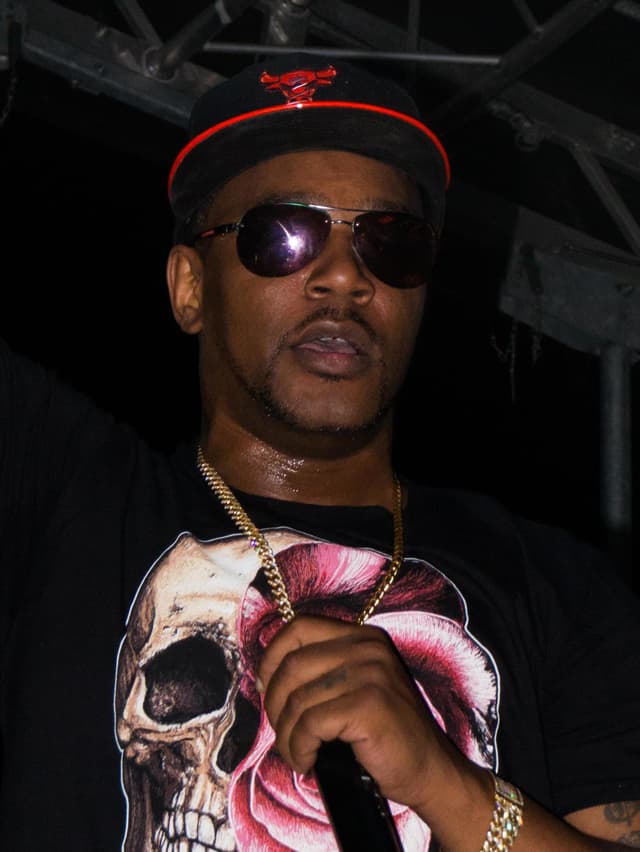
Cam'ron: The Harlem Rapper Who Made Dipset a Brand and Purple Haze a Cult Classic
Cam'ron is one of the great deadpan rappers: a Harlem voice that sounds half amused and half menacing, delivering punchlines in a flat, unhurried drawl. Born Cameron Giles in 1976 and raised in East Harlem, he came up as Killa Cam, met Mase and Jim Jones at school and was introduced to The Notorious B.I.G. through Mase. That chain of connections led to a deal with Lance "Un" Rivera's Untertainment and a career that would stretch from Bad Boy-era Harlem to the Roc-A-Fella years and beyond. This Cam'ron artist profile follows how a charismatic outsider became one of New York's most quotable voices.
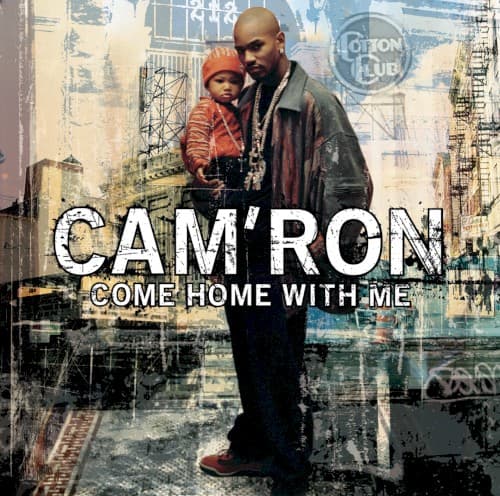
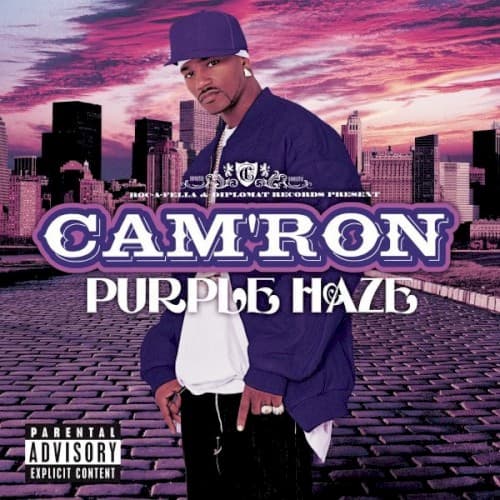
His peak came in the early 2000s. Come Home with Me in 2002 made him a radio presence, and Purple Haze in 2004 became the album that critics and fans keep returning to. Along the way he built the Diplomats, better known as Dipset, into a movement with its own slang, style and loyalty.
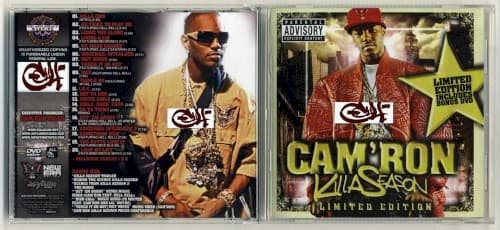
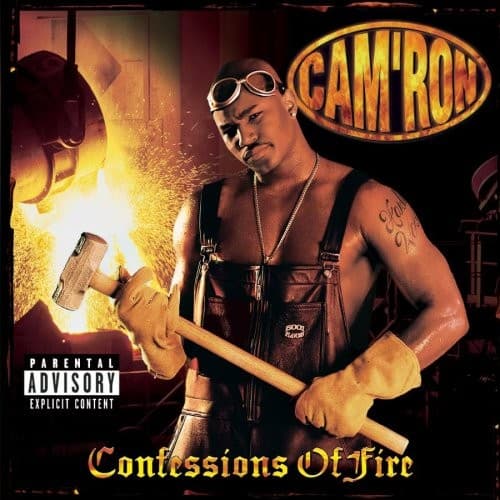
The four albums reviewed here, Confessions of Fire, Come Home with Me, Purple Haze and Killa Season, cover the arc from promising debut to peak to a more uneven late-label period.
The Cam'ron Sound: Deadpan Wit, Soul-Sample Beats and Harlem Swagger
The voice is the signature. Cam'ron raps in a calm, almost conversational register where the humor lands because he never pushes it. He is a punchline writer more than a technician, and his best verses sound like someone telling you a very funny story and then casually leaving a threat at the end.
The production he gravitates toward is lush and soulful, built on chopped samples, big drums and melodic loops. Come Home with Me brought in Just Blaze, Kanye West and the Heatmakerz, whose sample-based approach set the template for the Roc-A-Fella era. On Purple Haze he worked with Kanye West again, along with Just Blaze and others, and the results have a swagger that feels specific to Harlem. Killa Season later added The Alchemist and I.N.F.O. alongside the Heatmakerz, and Crime Pays put AraabMuzik and Skitzo up front.
He is also a collaborator by nature. His records are populated by Juelz Santana, Jim Jones, Freekey Zekey and later Vado, and the group chemistry is part of the sound. Purple Haze is where all of that clicks, and it is the reason his name still comes up when listeners talk about the 2000s New York canon. The limitation shows up on longer projects: when the beats are not strong enough to carry his understated delivery, the humor can feel thin, which is part of why Killa Season sits below the albums that came before it.
From Confessions of Fire to Purple Haze 2: Cam'ron's Path Through Roc-A-Fella, Dipset and Beyond
The debut, Confessions of Fire, arrived in July 1998 on Untertainment and Epic, with singles including "3-5-7" and "Horse and Carriage" featuring Mase. It went gold and made the top ten on the pop and R&B charts. S.D.E. (Sports Drugs & Entertainment) followed in 2000 with features from Destiny's Child, Juelz Santana and Jim Jones, and reached number 14 on the Billboard 200.
In December 2001 he signed with Roc-A-Fella Records, and Come Home with Me, released in 2002, became his biggest commercial success. It went platinum behind "Oh Boy" and "Hey Ma," both with Juelz Santana, which peaked at numbers four and three on the Hot 100. He also appeared in the 2002 film Paid in Full, and the album helped bring his group, the Diplomats, onto the Roc-A-Fella roster. Their 2003 double album Diplomatic Immunity went gold. Before all that, he had rapped with Big L, Mase and his cousin Bloodshed in a group called Children of the Corn, which broke up after Bloodshed's death in 1997.
Purple Haze, released in December 2004 on Def Jam and Roc-A-Fella, is the one most listeners point to first. It went gold, was ranked 114th on Pitchfork's list of the top 200 albums of the 2000s, and finished tenth on Rhapsody's list of the decade's best hip-hop albums. After feeling it had been poorly promoted, he asked to leave Roc-A-Fella and joined Asylum in 2005.
Killa Season followed in May 2006, accompanied by a film he wrote, directed and starred in. It debuted at number two with 112,000 first-week sales and later went gold, though it did not match his earlier peak. A three-year break followed, during which he stayed in Florida to help his mother recover from a health crisis, and Crime Pays arrived in 2009. It reached number three on the Billboard 200 but sold about 150,000 copies, the lowest of his career.
The 2010s were a period of mixtapes, EPs and collaborations: the U.N. duo with Vado, the Gunz n' Butta album in 2011, the 1st of the Month EP series in 2014, a Federal Reserve EP project with A-Trak, and eventually Purple Haze 2 in 2019, which narrowly entered the chart. In 2023 he launched the sports talk show It Is What It Is with Mase, which found a large audience online.
Cam'ron's Legacy: Harlem Humor, Dipset Culture and a Lasting Influence on New York Rap
Cam'ron's influence is less about sales than style. He helped define a Harlem voice that was funny, flashy and unbothered, and he gave New York rap a version of cool that did not depend on being the toughest person in the room. Dipset, with its slang, its merchandise and its mixtape-driven reach, became a template for how a regional crew could build its own world.
His feuds also became part of the story. A long-running tension with Jay-Z, which Cam'ron addressed on tracks from Killa Season, played out in public for years, and they ended the dispute publicly at Webster Hall in 2019. In 2007 he and 50 Cent traded diss songs after a heated radio exchange, and they reconciled in 2016. Those battles were noisy, but they reflect how much personality he brought to the genre.
His acting and directing work belongs here too: Paid in Full, Killa Season the film and a steady run of mixtape-era visuals show someone who saw himself as a brand, not only a rapper.
The honest assessment is that Purple Haze and Come Home with Me carry his reputation, and the later albums rarely reach those levels. Even so, his place in New York hip-hop history is secure, and his move into media with It Is What It Is shows a talent for staying relevant on his own terms. For anyone exploring East Coast rap of the 2000s, Cam'ron is essential listening.