The scorecard
5.1/10 · Weak
- Writing25%
- 4.5
- Production25%
- 6.5
- Delivery15%
- 5.0
- Cohesion15%
- 5.5
- Originality10%
- 3.5
- Replay value10%
- 4.0
Common abandons the specificity and social consciousness of his best work for generic club talk and surface-level sexuality, with hooks like "Sex 4 Suga" landing as empty as they sound.
The Neptunes deliver slick electro-funk and techno-inspired beats that sound expensive and modern for 2008, but the polished sheen often works against Common's strengths rather than amplifying them.
Common raps with technical competence but sounds unconvinced by his own material, particularly on the sex-themed tracks where his Chicago everyman persona clashes with the attempted swagger.
At thirty-eight minutes the album avoids overstaying its welcome, but the back-and-forth between party tracks and the more reflective closers like "Changes" and "Everywhere" feels like two separate projects fighting for space.
The electro-rap fusion was already well-trodden by 2008, and Common brings nothing new to it; the attempt to sound contemporary reads as trend-chasing rather than evolution.
The production holds up better than the writing, but the awkward fit between artist and material means most tracks work better as historical curiosities than songs worth returning to.
Common Universal Mind Control — When Chicago's Conscious Rapper Went Clubbing
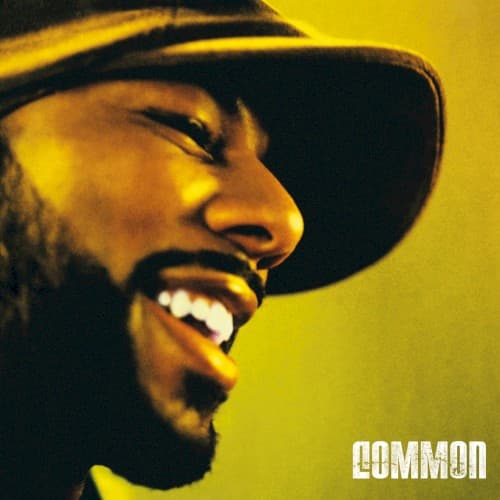
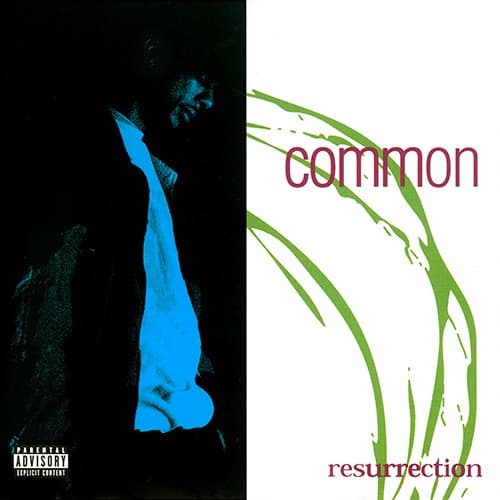
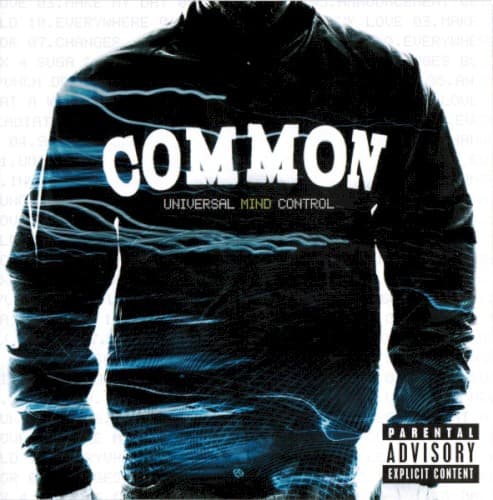
The thesis of Universal Mind Control is that Common could make a party album. The album argues it for thirty-eight minutes and loses. This is Common trying to sound like someone else, chasing the electro-rap trend of 2008 with Neptunes production that sounds expensive and his own writing that sounds rented. The artist who gave us the lived-in Chicago realism of Resurrection and the soul-searching clarity of Be shows up here talking about getting it on and moving bodies on the floor, and it lands with all the conviction of a prepared statement.
The stakes were commercial: Common had spent the mid-2000s as the thinking person's rapper, beloved by critics and respected by peers but never platinum. Universal Mind Control was the play for radio and clubs, executive produced by Pharrell Williams and originally titled Invincible Summer before multiple delays pushed it to December and someone thought better of that name. What arrived was an album that satisfied neither the existing audience nor the new one it was chasing. It sold eighty-one thousand copies in week one and disappeared, nominated for a Grammy it had no chance of winning and remembered now mostly as the moment Common proved he was better than this.
The problem is not that a conscious rapper made a party album. The problem is that Common does not believe in these parties. You can hear it in every song: the technical skill is there, the Neptunes give him tracks that sound like money, and the man himself sounds like he is reading someone else's lines. When an artist this good at writing about the world around him reduces himself to empty club talk and generic sexuality, the question is not whether the album works but why it exists at all. Universal Mind Control answers that question in the worst way: because the label wanted a hit and Common wanted to prove he could deliver one. He could not.
Electro-Funk Gloss and the Mismatch Underneath
The production is the only part of Universal Mind Control that does what it sets out to do. The Neptunes handle seven of the ten tracks and they deliver the slick, synthetic, electro-funk sound they were known for in the late 2000s: hard kicks, squelchy synth bass, robotic vocal processing and beats built for speakers, not headphones. The title track opens with a strutting synth riff and a chant-along hook, Pharrell's voice treated until it sounds like a vocoder from a spaceship. "Punch Drunk Love" leans into glitchy drums and staccato keys, Kanye West showing up for a verse that sounds more engaged than anything Common delivers. "Gladiator" builds around a thumping low end and laser-beam synth stabs that were designed to rattle clubs. Mr. DJ, who produced three tracks, brings a slightly warmer, more organic touch on "Make My Day" and "Changes," but even those songs are polished to a sheen that removes any grit.
The production sounds modern and intentional, but it exposes the writing. Common has always been a details guy: the Chicago streets in Resurrection, the introspection and Kanye soul loops in Be. Here he is writing in broad strokes and clichés, and the expensive beats only make the emptiness more obvious. "Sex 4 Suga" is four minutes of come-ons that could have been written by anyone with a rhyming dictionary. "Make My Day" has Cee-Lo Green on the hook and Common rapping about moving forward and taking control, but none of it is specific to his life or his city or anything that would make it his song instead of a template. The one moment where the old Common shows up is "Changes," a track about his daughter Omoye, who appears on the song, but even that is underwritten compared to the family portraits he has drawn before.
The verses are technically competent, the multisyllabic rhyme schemes are intact, but there is no imagery worth remembering and no argument being made. Common sounds like he is filling space rather than using it. The Neptunes give him room to operate and he does not take it. The result is an album where the production is a seven and the writing using that production is a four, and no amount of gloss can hide that gap.
Ten Songs Fighting Over What This Album Wants to Be
Universal Mind Control runs thirty-eight minutes and feels both too long and incomplete, like two different projects were started and neither was finished. The first half is all electro-funk and club talk: "Universal Mind Control" sets the tone with its chant-along hook and Pharrell cameo, "Punch Drunk Love" brings Kanye in for a verse that outshines Common on his own album, "Make My Day" tries for an inspirational anthem and lands as a motivational poster, and "Sex 4 Suga" is the low point, four minutes of horny rapping that Common delivers with all the enthusiasm of a man reading terms and conditions. "Announcement" and "Gladiator" continue the Neptunes' electro assault with diminishing returns, the beats still knocking but the songs bleeding into each other.
Then the album pivots. "Changes" and "Everywhere" are slower, more introspective, closer to the Common of the previous two albums, but they arrive too late to redeem the first seven tracks and too briefly to establish a new direction. "Inhale" and "What a World" sit awkwardly in between, neither party songs nor reflective closers. The sequencing feels like a compromise: enough club tracks to justify the Neptunes budget, enough conscious-rap moments to keep the base happy, and no through-line to make it cohere. The album sags in the middle, peaks nowhere, and ends on "Everywhere" with Martina Topley-Bird singing over a Mr. DJ beat that sounds like it was meant for a different, better album. At ten tracks it avoids the bloat that sinks many 2000s rap albums, but it still feels like it has no idea what it is.
The Album That Proves Common's Strengths Are Not For Sale
Universal Mind Control is the worst album in Common's catalog and it is not close. Resurrection is a 7.9 and Be is an 8.4 because those albums know what they are and execute on it; this one does not know and does not execute. It ranks below both in writing, conviction, and any measure of artistic purpose. The production is solid and occasionally better than solid, but production alone does not make a rap album worth keeping when the rapping is this uninspired.
This is an album for completists and for people studying what happens when a thoughtful artist chases a trend that does not suit him. It is not for anyone looking for the Common who made "I Used to Love H.E.R." or "The Corner" or anything else that built his reputation.
Who should start here: no one. If you want electro-rap from 2008, Kanye West's 808s and Heartbreaks is more committed to the experiment and more interesting in its failures. If you want Common, start with Resurrection or Be and stop before you get here.
The two listenable tracks are "Punch Drunk Love" for the Kanye verse and "Changes" for the glimpse of what Common could have done if he had trusted himself instead of chasing Pharrell's vision of a hit. After this, listen to Be again and remember what Common sounds like when he is writing for himself instead of for a demographic. Universal Mind Control is not the death of his career, but it is the sound of an artist temporarily losing the plot. He found it again later, but this album remains the detour no one asked for and the experiment that proved some artists should not try to be everything to everyone.
Track by track
Track Listing
Universal Mind Control (UMC)
SolidThe title track sets the template for the entire album and the problems that follow. Pharrell produces a strutting, synth-heavy electro-funk beat with a chant-along hook that sounds engineered for arenas, and Common raps competent verses about taking control and moving forward that say nothing specific. The hook is catchy in the way that advertising jingles are catchy, and the verses are technically fine, but there is no argument here and no image worth remembering. It works as a lead single in the sense that it sounds expensive and modern, but as an album opener it promises a project with more style than substance, and that promise is kept. The Neptunes give Common a track that could move bodies, and Common gives them words that could apply to anyone.
Punch Drunk Love
StandoutThe best track on the album, mostly because Kanye West shows up and raps like he has something to prove while Common sounds like he is phoning it from the set of a movie. The Neptunes build a glitchy, staccato beat with chopped-up keys and hard drums, and Kanye delivers a verse about obsessive love that has energy and specificity. Common's verses are fine, but they are outshone on his own song, which tells you everything about where his head was during these sessions. The beat is strong, the hook works, and if the whole album had this much life it would be a different conversation.
Make My Day
SolidCee-Lo Green handles the hook and Mr. DJ produces a slightly warmer, more organic beat than the Neptunes tracks, but Common is still writing in motivational-poster language about taking control and moving forward. There is no story here, no Chicago detail, no lived-in perspective, just generic empowerment talk that could be on any commercial rap album from 2008. The production is solid and Cee-Lo's hook adds some soul, but the verses do not earn it. This is Common at his most replaceable.
Sex 4 Suga
WeakThe low point of the album and one of the weakest tracks in Common's entire catalog. Four minutes of horny rapping with no wit, no cleverness, and no reason to exist. The Neptunes give him a sleek, minimal beat with a rubbery bassline, and Common delivers come-ons that sound like they were written in ten minutes by someone who has never listened to a Common album before. He has written about relationships and desire before with nuance and humor; here he sounds like he is reading a script handed to him by a label executive who wanted a radio-friendly sex jam. It is not sexy, it is not fun, and it is not redeemable.
Announcement
SolidPharrell returns for another electro-funk beat and another chant-along hook, and the song sounds like a slightly worse version of the title track. Common raps about success and haters and staying on top, and none of it lands with any conviction. The production is competent, the hook is forgettable, and the verses are filler. This was released as part of the Announcement EP to build hype for the album, which suggests someone thought this was strong enough to lead with. It was not.
Gladiator
SolidThe Neptunes deliver another club-ready beat with thumping bass and synth stabs, Pharrell shows up on the hook, and Common raps about being a fighter and a survivor in language so broad it could apply to a motivational speech or a sports montage. There is no specificity, no Chicago, no Common. The beat is the best part, and the beat is just another Neptunes track from the late 2000s that sounds like ten other Neptunes tracks from the same period. By the halfway point of the album the formula is exhausted and this song does nothing to revive it.
Changes
StandoutThe first real glimpse of the Common who made Be, and it arrives too late to save the album. Mr. DJ produces a warm, soulful beat, and Common raps about his daughter Omoye, who appears on the track along with Muhsinah. The writing is more specific and more personal than anything in the first six songs, and you can hear Common actually engaged with the material instead of sleepwalking through it. The problem is that it is underwritten compared to his best family portraits, and it feels like a sketch for a better song that never got finished. Still, it is the most human moment on the album, and the only track where Common sounds like himself.
Inhale
SolidThe Neptunes produce a midtempo beat with a hypnotic, looping synth line, and Common delivers verses that are more introspective than the club tracks but still too vague to land. The song sits awkwardly between the party-rap front half and the reflective back end, not quite either, and it disappears from memory as soon as it ends. The production is fine, the rapping is fine, and the song does nothing.
What a World
SolidChester French appears on the hook, the Neptunes produce another electro beat, and Common raps about the state of the world in broad strokes that say nothing specific. The song wants to be a commentary on modern life but it never gets past surface observations, and the hook does not help. This is Common trying to split the difference between the club sound and the conscious-rap audience, and it fails at both. The beat is decent, the verses are forgettable, and the whole thing feels like a missed opportunity.
Everywhere
StandoutThe album closes on a Mr. DJ beat with Martina Topley-Bird singing a melancholy hook, and it sounds like it was meant for a different, more thoughtful project. Common raps about presence and connection, and the writing is more careful than most of the album, but it is too little too late. The production is the warmest and most organic on the record, and if the whole album had followed this template instead of chasing Neptunes electro-funk, it might have been a different conversation. As it stands, this is a good closer to a bad album, and it only highlights how far off course the rest of the project went.