The scorecard
7.4/10 · Good
- Writing25%
- 7.0
- Production25%
- 8.0
- Delivery15%
- 7.5
- Cohesion15%
- 7.0
- Originality10%
- 7.5
- Replay value10%
- 7.5
The themes of weed, paranoia and grudges repeat across the record, but the tone-focused approach mostly supports the album's menacing atmosphere despite a lack of quotable lines and some petty Ice Cube feud material.
DJ Muggs builds a slow, heavy, spacious sound on tracks like "Illusions" and "Throw Your Set in the Air" that makes dread out of what is left unsaid, though the single mood sustained for nearly an hour becomes a habit by the final third.
B-Real's pinched voice and the group's chant hooks gain menace against the slowed tempos, and the chemistry with RZA and U-God on the Wu-Tang collaboration holds up.
The mood is unusually consistent from "Spark Another Owl" to "Everybody Must Get Stoned," but the middle stretch around "Make a Move" sags and short cuts like "Red Light Visions" are needed as resets.
Choosing a slow, ambient, psychologically dark sound in a year of G-funk polish and New York minimalism set the group apart from nearly everyone on the radio, though the core approach repeats the Cypress template.
The atmosphere holds up on repeat listens and still feels distinct, though the grudge material has dated and the writing offers few lines worth returning for.
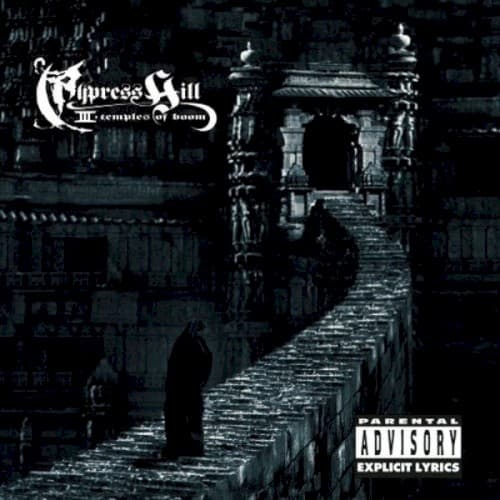
Cypress Hill III: Temples of Boom, the Sound of Rap Choosing to Go Slow
The usual story about III: Temples of Boom is that Cypress Hill slowed down and got spooky, and that is true, but it undersells what the move meant. In late 1995, rap on both coasts was sprinting toward either glossy G-funk or hard New York minimalism, and a Latino group from South Gate that had built its name on sirens and bark-and-whine hooks chose to go quiet, murky and deeply paranoid. The decision was not a retreat. It was a rejection of the tempo race, and it is the reason this record still sounds like itself.
III stands as Cypress Hill's most deliberate album and its most underrated entry in the lineage of dark, slow rap. Cypress Hill here are less interested in being the loudest group in the room than in building a room that feels unsafe. DJ Muggs produced every track except one, which went to RZA, and that single exception tells you where the group saw themselves: as West Coast stoner-rap veterans with enough standing to be co-signed by Staten Island. Contemporary critics heard sitar, sloping bass and an ambient menace, which is a precise description of a record that treats space as a weapon.
The lineage matters because this album answers its moment and then outlasts it. It answers the gangsta-rap boom by turning menace inward, from street threat to psychological dread, and it prefigures the slowed, minor-key aesthetic that later regional scenes would push much further. It also arrived with baggage: Sen Dog was stepping away from the group for a time, Eric Bobo was joining as an official member, and a feud with Ice Cube was brewing over a hook. The album does not always cohere around those pressures, but when it does, it is more atmospheric than the self-titled debut and more disciplined than its reputation suggests. Where it falls short is variety, covered in detail below.
Muggs Builds a Room That Feels Unsafe
The core of the record is Muggs's sound design. The drums are loose and heavy rather than snappy, the bass moves slowly enough to feel like it is following you, and the samples and keys are arranged to leave air around the voices instead of crowding them. That restraint is what separates III from a lot of mid-nineties dark rap, which tended to confuse volume with dread. Here the dread comes from what is left out, which is a lesson plenty of later dark-rap producers took from this period, and the result is a mix that sounds colder and more claustrophobic the louder you play it.
The rapping is built to survive in that space. B-Real's pinched, nasal voice remains one of the most identifiable in the genre, and its thin, almost cartoonish edge becomes more unsettling against the slowed beats than it did on faster material. The group's habit of treating hooks as chants works especially well here because chants fit the ritual feel of the production. When a song such as "Throw Your Set in the Air" locks the voice into the groove, the record achieves the strange effect of sounding both menacing and relaxed, a haze with teeth.
The writing is the limiting factor. The topics are familiar: weed, paranoia, loyalty, enemies, and a good deal of score-settling with critics and rivals. Rap Pages noted at the time that some of it sounds like the Cypress template, and that is fair. The group repeat their central images, and the grudge material, especially the track that fed the Ice Cube feud, is more petty than revealing. A lyric that is specific enough to quote is rare here, and the album depends on tone more than on lines.
The guest slot is handled well. RZA and U-God appear on the one track RZA produced, and the result is the clearest bridge between the two coasts the record offers. The beat is grainier and more skeletal than Muggs's, and the group adjust to it without losing their identity, which is a harder trick than it sounds. That track also shows what the rest of the album lacks, which is a second sonic idea. Muggs finds one very good mood and sustains it for nearly an hour, and by the final third the mood has become a habit. An album of this ambition could have used one more abrupt change of texture to keep the dread from becoming wallpaper.
Fifty-Six Minutes of Smoke, With a Few Open Windows
As a sequence, III opens with confidence and settles into a long, even middle. The first few songs set the terms quickly: heavy, narcotic, a little sinister, and unhurried. Once that tone is established the album rarely deviates from it, which gives the record unusual consistency and also leaves little to separate the fifth song from the tenth. The run from the middle onward is where the pacing flattens, because the tempo and temperature barely move.
The length is mostly earned. At around fifty-six minutes with fifteen tracks, it is long for a record with this much sonic sameness, but Muggs keeps individual songs between roughly three and five minutes, and the shorter pieces act as palate cleansers. A brief interlude-sized track near the end of the run provides the clearest reset, a short blast of strangeness that the album could have used more of. Without those breaks, the heavy mood would feel like a slog, and with them it feels like a descent.
The peaks come where the group allow a little aggression back into the tempo. "Killafornia" is the most obvious example, a compact piece that breaks the hypnotic slouch with something sharper and reminds you that these rappers could snap as well as drift. The sags are in the lower-key songs that rely on atmosphere without a strong hook, where the cool production does the work the writing should be doing.
The closer, a late addition listed after the main sequence, finishes on a looser, communal note and works as a release valve after all the paranoia. It is not a grand finale, and the album is better for not trying to be one. The sequencing is not flawless, since the middle could lose a song without anyone noticing, but it does a good job of building an environment and keeping the listener inside it.
Slightly Below the Debut, and Better Sounding Than Both
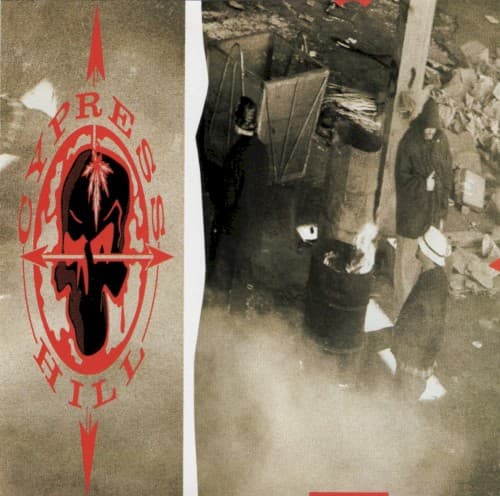
III: Temples of Boom ranks just below the self-titled debut, which earns a 7.9 here, and that order is deliberate. The debut has more punch, tighter hooks and a clearer sense of surprise, while III trades some of that bite for atmosphere and a stronger sense of design. It is the better-sounding record and the slightly weaker collection of songs, and the scores reflect that split: elite production, good delivery, and writing that coasts on tone.
The album is for listeners who like their rap slow, dark and smoky, and for anyone interested in how mid-nineties West Coast rap found an alternative to G-funk. Fans of RZA-era Wu-Tang will find the crossover track rewarding, and anyone tracing the lineage of dread-laden, minor-key rap should treat this as a stop on the map. Skip it if you want lyrical density or story songs; the group does not offer them, and the album does not pretend to. If you have never heard Cypress Hill, the debut is a faster, friendlier entry point.
The record has aged well because its sound was never tied to a trend. The slow, hazy production still reads as distinctive thirty years on, and it sits more comfortably alongside current dark, atmospheric rap than many of its louder contemporaries. The grudge material has aged worse, as feuds tend to, but it occupies a small part of the running time.
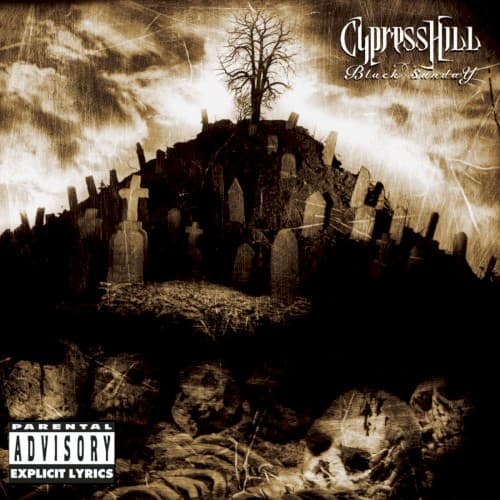
Start with "Throw Your Set in the Air" for the signature sound, "Killafornia" for the sharpest moment, and "Illusions" for the mood at full depth. For what to hear next, go to Cypress Hill's second album, Black Sunday, to hear the group at its most commercially potent, or to the Wu-Tang Clan for the East Coast counterpart to this record's menace. The sentence that sums it up: a group famous for noise made its best argument by lowering the volume.
Track by track
Track Listing
Spark Another Owl
StandoutA slow, smoky opener that sets the terms of the record: heavy low end, space around the vocals, and a threat that never raises its voice. It works as an invitation into the group's new tempo and shows immediately that the album is about atmosphere. A strong start, if a little restrained.
Throw Your Set in the Air
StandoutOne of the album's signature songs and the clearest demonstration of the new approach. The chant-style hook locks into the bass, B-Real's voice cuts through the haze, and the whole thing feels both lazy and dangerous. Its hook later became the center of a dispute with Ice Cube over his single from the film Friday, which gives the song extra weight in the group's history. It deserves the key-track status it holds.
Stoned Raiders
SolidA short, direct cut that keeps the album moving after the opening pair. The weed-as-identity theme is familiar, and the production does the heavy lifting, but the compact length keeps it from wearing out. Solid, if not essential.
Illusions
StandoutThe mood piece of the record. The beat is at its slowest and most disorienting, the vocals ride low in the mix, and the whole song feels like a hallucination you cannot wake from, which is exactly what the title promises. It is one of the best examples of Muggs using space as a weapon, and it earns a place among the album's highlights. The writing is thinner than the sound, but here the sound is enough.
Killa Hill Niggas
StandoutThe RZA-produced collaboration with U-God, and the clearest bridge between the two coasts on the album. The beat is skeletal and grittier than Muggs's work, and the group adapts without losing its identity. It is the one moment the album sounds like it is in conversation with another scene, and it is stronger for that. The guest verses are workmanlike rather than spectacular, but the chemistry is real.
Boom Biddy Bye Bye
SolidA bouncier cut that pulls the tempo up slightly and gives the album some swing. The hook is catchy in the way the group's best hooks are, simple and chanted, though the verses rely on boilerplate threats. A fun middle-album pick-me-up that is not among the most memorable songs.
No Rest for the Wicked
WeakThe song most tied to the Ice Cube feud, and the album's clearest example of grudge material outweighing craft. At just over five minutes it is also among the longest tracks. The production remains strong, but the lyrical focus on settling scores is more petty than revealing, and it dates the song badly. Historically interesting, musically only decent.
Make a Move
WeakA mid-album track that continues the sedate mood without adding to it. The beat is competent, the delivery is steady, and nothing here separates it from its neighbors. This is where the sameness criticism applies most, and it plays as filler.
Killafornia
StandoutThe sharpest and most compact moment on the record. The tempo picks up, the energy sharpens, and the group sounds like it is snapping out of the haze for a few minutes. It is an essential reminder that these rappers could hit harder when they wanted to, and it provides the contrast the album needs at the right moment.
Funk Freakers
StandoutA tight, groove-driven cut that leans on groove over menace. It keeps the tone consistent while adding a little bounce, and its shorter length helps. A solid track that makes a good case for the album's back half, though it does not reach the highs of the first.
Locotes
SolidA hazy, relaxed piece that fits the album's mood. The vocals are steady and the groove is comfortable, but it does not do much beyond sustaining the atmosphere. Pleasant and forgettable.
Red Light Visions
SolidUnder two minutes, this is the album's shortest piece and functions as an interlude more than a song. It adds a jolt of strangeness and a brief reset in the late stretch, which the album needs. Too brief to analyze deeply, but welcome.
Strictly Hip Hop
SolidA statement-of-purpose track that leans into the group's rap credentials. The beat stays in the dark, slow register, and the verses are confident, though the lyrical content is generic. It works as a reminder of the group's identity without adding anything new.
Let It Rain
SolidA moody, rolling cut that returns the album to its core sound after a few lighter moments. The production is textured and the vocals sit nicely in the groove, but like much of the late run it relies on tone over ideas. Good, not great.
Everybody Must Get Stoned
StandoutA loose, communal closer that functions as a release valve after nearly an hour of paranoia. It is not a grand finale, and the album benefits from ending on a looser note. A light, enjoyable finish that does exactly what it needs to do.
Frequently Asked Questions
Is Cypress Hill's III: Temples of Boom good?
Who produced Temples of Boom?
What was the Ice Cube feud on Temples of Boom?
How does Temples of Boom compare to Cypress Hill's debut?
Styles