The scorecard
8.2/10 · Great
- Writing25%
- 7.0
- Production25%
- 9.0
- Delivery15%
- 8.5
- Cohesion15%
- 8.0
- Originality10%
- 9.0
- Replay value10%
- 8.0
Burnett's cryptic phrases about paranoia and violence work as texture and hit hard, but the lyrics rarely develop beyond mood.
Zach Hill and Andy Morin fuse distorted drums, club rhythms, unconventional samples and industrial synths into a controlled, distinctive sound.
Burnett's percussive, terrified shout locks tightly onto the drums, though critics fairly noted its limited range.
Thirteen songs in about forty minutes leave no filler, and the arc builds to the long closer, with only a mild sag in the late middle.
Few records of 2012 combined club rhythms, industrial noise and hardcore aggression this convincingly on a major label.
The arrangements hold up through repeat listens, though the intensity and uniform vocal register make it a record for particular moods.
Death Grips The Money Store: Discipline Disguised as Chaos
The Money Store is the rare album that sounds like a major-label debut and a hostile act at the same time. Death Grips signed to Epic in early 2012, kept creative control, and delivered thirteen songs that treat a pop-length running time as a delivery mechanism for something closer to a panic attack. The consensus calls it a landmark of experimental hip-hop, and I mostly agree, with one correction: it is a better album than it is a rap album. Its lineage runs through hardcore, industrial and club music as much as through anything on the rap side of the shelf, and the record is strongest when it stops caring which of those genres it belongs to.
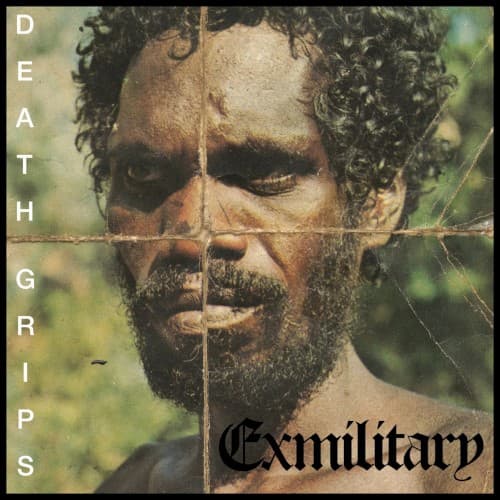
What it answers is a question the genre had mostly stopped asking: how much noise can a hip-hop record hold before it stops being hip-hop? The preceding mixtape, Exmilitary, had already marked the group as an abrasive hybrid of rap, industrial and punk. The Money Store sharpens the formula and removes the looseness. Zach Hill's drumming and Andy Morin's synthetic production lock into a tight, mechanical frame, and Stefan Burnett, performing as MC Ride, barks over it like a man shouting through a wall. The result is closer to a stress test than a conversation.
The career context makes the album's confidence more striking. A major label deal for a band this abrasive was a surprise, the record leaked and was sold in various formats before its official date, and the group announced a second album for the same year. They also cancelled their touring plans soon after to finish it. That rollout was chaotic by design, and it fits a record that treats rules as obstacles.
My thesis is that The Money Store is the most disciplined album Death Grips ever made, and that its discipline is the point. It sounds like chaos because every element is engineered to sound that way, and it works because it never lets the engineering slacken. The weakness is that the same discipline leaves little room for variation, and a lyric sheet that is mostly paranoia and menace rarely gives the listener anything to grip.
Engineered Noise, Percussive Screams and a Narrow Vocal Range
The production is the album's main achievement and its identity. Zach Hill and Andy Morin build tracks from distorted drums, jagged synthesizers, abrasive samples and bursts of club rhythm, and they arrange them with a precision that belies the noise. Reported sample sources include tennis grunts and the sound of a Vancouver train, along with material from a compilation of African cellphone recordings, which tells you something about the group's willingness to treat any sound as raw material. The beats borrow from dubstep, juke and ghettotech as well as metal, and the genre mixture is the record's real innovation: club rhythms made hostile, aggression made danceable.
Hill's drumming is the other half of that effect. It is syncopated, processed and frequently off-kilter, and it gives the songs a jerky, unstable momentum that keeps the rhythm from settling into anything predictable. The tracks feel like they are about to fall apart and never do. That tension is what separates the record from standard industrial-leaning rap, which tends toward either bludgeoning repetition or messy collage.
Burnett's delivery is a sustained scream. He pushes his voice into a hoarse, terrified shout that fits the paranoia of the subject matter, and he has a real sense of rhythm within the aggression, locking onto the drum patterns with an almost percussive attack. The writing is cryptic, built on short, evocative phrases about violence, surveillance and alienation, with the occasional hook that sticks because it is so blunt. It is not lyricism in the traditional sense of wordplay and storytelling, and it does not try to be. The words function as another texture, and the best lines are the ones that sound like threats scrawled on a wall.
The weaknesses are real. The vocal register barely changes, and critics who called it one-note have a point: across thirteen songs, the voice rarely moves from maximum intensity. Some of the hooks lean on slogan-like repetition that can feel arbitrary, and the lyrics never develop beyond mood. Spin also argued that the album loses some of the raw, collage-like quality of the mixtape, and it is true that the cleaner production sometimes trades surprise for polish.
Even so, the sound is distinctive enough to outweigh these concerns. It is rare for an album to be this intense and this controlled at once, and the tightness of the arrangements is the reason the record has held up better than many of its louder peers.
Forty Minutes, No Filler and a Long Fuse at the End
The running time is the album's best structural decision. Thirteen songs, most between two and a half and three and a half minutes, add up to a record that is over before the intensity can curdle into monotony. There is no filler stretch and no extended experimental detour, and the pacing is built on short, hard shocks. Where many experimental albums confuse length with ambition, this one understands that aggression works best in compressed doses.
The opening is a deliberate assault. The first few tracks establish the sound at full force, and the album does not warm up: it arrives in the middle of the fight. The singles released before the album are positioned so that a listener who followed the rollout hears familiar songs early, and the new material then escalates. The middle section keeps the momentum with a series of tightly constructed tracks that vary the texture without breaking the mood, shifting from industrial grind to club-influenced bounce and back.
There is a mild sag in the late-middle stretch, where several songs share a similar tempo and a similar vocal approach. The distinctions between them are small, and for a few minutes the album risks becoming a wall of noise rather than a set of songs. The recovery arrives in the closing run, where the arrangements open up and the album allows a bit more space. The final track, the longest on the record, gives the album an ending that feels earned rather than abrupt, and it provides the one extended moment of tension and release.
The length is earned. At roughly forty minutes, the album does what it came to do and leaves, and the concision is a significant part of its reputation. The sequence also works as a statement of purpose for the year the band had planned, a high-intensity debut on a major label that did not compromise the sound, and its ordering reflects that confidence. A tighter record would have lost something and a longer one would have blurred it, and the choice to stop where it does is among the smartest things about it.
The Best Place to Start With the Hardest Band in Rap
No other Death Grips albums are rated on the site yet, so the ranking rests on how the record stands against its own history and the field. Within their catalog it is the most accessible entry point and probably the most polished, and many listeners will find it the best place to start even if some prefer the rawer mixtape or the harsher follow-up. Against the broader genre it is one of the defining experimental rap records of its decade, and the scores reflect that: the production and originality are near the top of the scale, the delivery and cohesion are very strong, and the writing is the one dimension that holds it back.
The critical response supports that placement. Metacritic recorded universal acclaim, with an average of 81, and the dissenting reviews focused on the vocal monotony and the lack of a clear goal, which are real flaws but not fatal ones. The record's influence has been wide: it opened a door for abrasive, genre-blending rap in the years that followed and showed that a major label could release something this hostile without watering it down.
Who should start here? Listeners who want to hear where hip-hop and industrial music collide, and anyone curious about how far a rap album can stretch before it breaks. Who should skip it? People who prioritize lyrics, melody or warmth, because the album offers little of any of them, and anyone sensitive to extreme volume and screaming. It has aged very well: the production still sounds futuristic and the sound has been widely imitated without being matched.
Three tracks make the case. Start with Get Got for the immediate shock, move to I've Seen Footage for the album's most unsettling mood, and finish with Hacker for the long, tense closer. For what to hear next, the earlier mixtape Exmilitary shows the rawer, sample-heavy version of the same idea, and No Love Deep Web, released the same year, pushes the aggression further.
The Money Store is the sound of a band proving that extreme music could be built with the care of a pop record, and the care is why it still hits.
Track by track
Track Listing
Get Got
StandoutThe opener and a pre-release single, built on a violent, stuttering beat that sounds like a machine malfunctioning in time. Burnett's shouted delivery rides the drums with a percussive attack, and the hook is short, blunt and hard to shake. The arrangement packs a lot into under three minutes, with abrupt shifts in texture that keep the track unstable. It works as a statement of purpose: the album starts at full volume and never explains itself. The writing is cryptic and the song is mostly about the force of the delivery, which is enough. It is among the strongest openers of its year and the clearest preview of what the record is.
The Fever (Aye Aye)
StandoutOne of the pre-release singles, with a jagged, club-leaning rhythm and a hook built on a chanted phrase. The beat is more danceable than most of the record, and the mixture of mechanical drums and frantic vocals gives the song a manic, almost ecstatic quality. It is a strong example of how the group borrows from juke and ghettotech and makes the borrowing sound hostile. The vocal is intense but slightly more melodic than elsewhere, and the track is a high point of the first half. It is short and sharp, and it shows the band could write something close to a hit without softening the sound.
Lost Boys
StandoutA pre-release single with a tense, stuttering beat and a vocal that sounds on the edge of collapse. It is a little less distinctive than the tracks around it but still strong, with a clear sense of rhythm and a menacing hook.
Blackjack
StandoutThe first song released from the album, supported by a music video. The beat is mechanical and driving, and the delivery is among the most percussive on the record. It is a good early statement, though the album has more inventive songs to offer.
Hustle Bones
SolidA mid-album track with a skittering, metallic beat and a quick, clipped vocal. It is solid and well made, though it sits in a stretch where the songs begin to resemble each other.
I’ve Seen Footage
StandoutThe album's most unsettling track and its most distinctive mood. The beat is slower and more menacing than most, with a swirling, disorienting production that suits the paranoia of the lyrics. Burnett's delivery shifts to a more controlled, ominous register for parts of the song, and the contrast with the surrounding aggression makes the track stand out. The arrangement leaves more space than usual, which lets the dread build instead of simply exploding. It is the clearest evidence that the group can create tension as well as force, and it is the track that best justifies the praise for the album's atmosphere. A highlight and a good test of whether the record is for you.
Double Helix
StandoutA short, abrasive cut with a twisting, mechanical rhythm. It is one of the more compact tracks and does its job quickly, with a hook that sticks. Good but not essential.
System Blower
StandoutOne of the loudest and most chaotic songs on the record, built on distorted, pummeling drums and a vocal that sits at the edge of screaming. The production is dense and relentless, with layers of noise that threaten to swallow the beat but never quite do. It is an extreme example of the album's method, controlled chaos at maximum volume, and it is both thrilling and exhausting. The song is slightly longer than most and uses the extra time to build intensity, which pays off in a ferocious final stretch. The writing is minimal and works as pure texture. It is the album's most physical track and a good case for the band's approach, even if it is too much for some listeners.
The Cage
SolidA mid-tempo cut with a lurching, industrial feel and a repetitive hook. It is effective but sits in the late-middle stretch where the album's variety thins, and it does not leave a distinct impression.
Punk Weight
StandoutA fast, aggressive track with a hardcore-influenced rhythm and a shouted hook. It is one of the most direct nods to the band's punk side and brings a welcome burst of speed to the late-album stretch.
Fuck That
SolidA short, abrasive track with a brusque attitude and a blunt hook. It is quick and effective as a shot of aggression, though it is one of the thinner songs conceptually.
Bitch Please
StandoutA rhythmic, club-leaning cut with a bouncing beat and a taunting vocal. The production is lively and the hook is memorable, and it gives the late album a jolt of energy. It is more playful than much of the record and one of its more fun moments, even if the writing is basic.
Hacker
StandoutThe longest track and the album's closer, with a tense, building arrangement that finally lets the music breathe. The beat is mechanical and hypnotic, the synthesizers are icy and the vocal moves between shouts and a more restrained, menacing delivery. The song uses its extra length to create a sustained sense of dread and release, which gives the album a satisfying ending. It also works as a hook in its own right, with a repeated phrase that sticks. It is the strongest argument that the group could build a complete arc rather than a series of attacks, and it leaves the record on a note of controlled menace instead of simple noise. A highlight and a fitting close.
Frequently Asked Questions
Is Death Grips' The Money Store a good album?
Is The Money Store a rap album?
What are the best songs on The Money Store?
Styles