The scorecard
7.9/10 · Great
- Writing25%
- 7.5
- Production25%
- 8.0
- Delivery15%
- 9.0
- Cohesion15%
- 7.0
- Originality10%
- 8.5
- Replay value10%
- 8.0
The lyrics strip violence and desperation down to raw confession, especially on Damien and Look Thru My Eyes, with visceral imagery that makes the darkness feel lived rather than performed.
Dame Grease and PK build skeletal, claustrophobic beats that let the menace breathe, with smart soul samples on Crime Story and How's It Goin' Down anchoring the chaos without softening it.
The bark, the growl, the sermons and whispers: DMX switches cadences like moods, making every verse feel like a confrontation you cannot walk away from.
The album sustains its bleakness across nineteen tracks with Prayer and The Storm as breathing room, though the back half sags slightly under the weight of posse cuts like For My Dogs.
In 1998 this was the anti-Puffy: no shiny suits, no champagne, just paranoia and scripture, a blueprint for confessional street rap that Griselda and others would mine two decades later.
The intensity holds up because the fear and rage sound permanent, not trendy, though the album's unrelenting darkness means most listeners will reach for Ruff Ryders' Anthem or Get at Me Dog rather than the full journey.
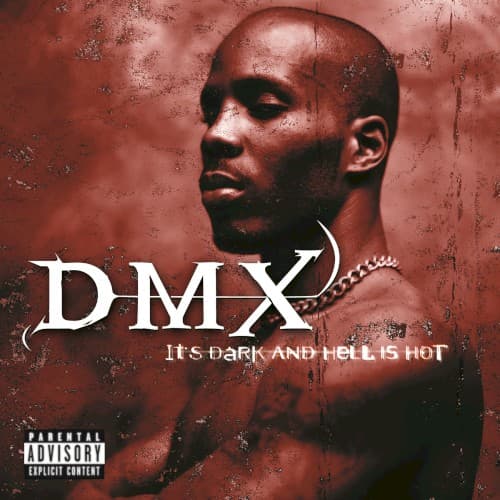
DMX It's Dark and Hell Is Hot — The Sermon From the Gutter
Most debut albums announce an arrival. This one announces a crisis. It's Dark and Hell Is Hot opens with a prayer over a Mtume sample and closes sixty-five minutes later with another prayer, and everything in between sounds like the argument a man has with himself when he knows the devil is winning. The thesis is in the title: Earl Simmons made an album about being trapped, and he made it so convincing that it went quadruple platinum and changed what mainstream rap could sound like.
The stakes in 1998 were clear. Bad Boy had turned rap into a crossover formula, all silk and strobes, and even the hardest records were starting to chase pop hooks. DMX and Dame Grease went the other direction. They made an album with almost no relief, no aspirational sheen, just the sound of someone who had been to jail too many times and still could not see a way out. The result debuted at number one and sold 251,000 copies in the first week, which meant the audience was ready for something raw even if the industry was not. Nas called 1998 the year DMX took over the world, and the proof is that every song on this album sounds like it was recorded in the same mental state: cornered, furious and certain that tomorrow will be worse than today.
Bare Walls and Hard Drums
The production here is all skeleton. Dame Grease handled thirteen tracks and PK eight, and both of them understood that the best way to frame DMX was to get out of his way. The beats are built from hard drums, sparse loops and soul samples chopped down to fragments: Edwin Starr on Crime Story, Marvin Gaye on Niggaz Done Started Something, Phil Collins on I Can Feel It. The samples do not sweeten the tracks; they haunt them. Dame Grease said the goal was grittiness without gimmicks, and that is exactly what the album delivers. The loops are short, the basslines are minimal, and the mix leaves space for the bark and the growl.
Swizz Beatz produced one track, Ruff Ryders' Anthem, and it became the biggest song on the album even though DMX was skeptical of it at first. He thought the beat was too simple, the lyrics too elementary, and he was right. The track is repetitive, almost a chant, and the hook is just slogans. It works anyway because Swizz understood that simplicity could be menacing, and DMX understood that a song does not need depth to take over a block. The beat is all kick and snare, with a whistling loop that sounds like it is already moving past you.
The writing is where the album earns its reputation. DMX does not do wordplay or punchlines. He does confessions. Look Thru My Eyes is a first-person account of paranoia and survival guilt.
Damien is a conversation with the devil, framed as temptation over a sample of Stanley Clarke and Bach. The Convo flips the same structure into a talk with God, using a Bee Gees sample to make dread sound like gospel. The violence on the album is not celebratory. X-Is Coming describes assault in language so blunt that Spin called it a rape fantasy, and they were not wrong to be disturbed. The album does not flinch, and it does not apologize.
The weak point is the posse cuts. For My Dogs brings in four guests and sounds like an obligation. Niggaz Done Started Something has The LOX and Mase, and it is fine, but it breaks the claustrophobia. The best moments are when DMX is alone with the beat and the argument in his head.
Descent Without Daylight
The sequencing is deliberate: the album starts in hell and stays there. The opening prayer sets the tone before the door gets kicked in, and by the time you reach the first skit at track four the album has already made it clear that there will be no singles mentality here. The first full track with a guest works because the guest does not soften anything. The run from tracks six through eight is the heart of the album: desperation, temptation, and the only moment that sounds like it might involve another person in a way that is not violent.
The back half sags under its own weight. The middle stretch holds solid, but the album is sixty-five minutes and the unrelenting darkness starts to feel like a choice rather than a necessity. The skits help: they give the album room to breathe without breaking character. The closing conversation near the end is the counterweight to the earlier devil talk, and it lands because DMX sounds like he is begging.
The pacing is slower than it needs to be, but the length is part of the statement. This is not a tight ten-track argument. It is an endurance test, and the fact that it holds your attention for most of an hour is proof that DMX earned it.
Where the Blueprint Lives
It's Dark and Hell Is Hot is the best debut in DMX's catalog and one of the most influential rap albums of the late nineties. It proved that a record could be unrelenting and still go platinum, that confession could be harder than bragging, and that the audience was ready for something darker than what the industry was selling. Griselda, Denzel Curry, and every street rapper who treats the album like a journal rather than a flex owes something to this.
It is not for everyone. If you need variety or uplift, this will wear you out. If you want clever wordplay, look elsewhere. But if you want to hear what it sounds like when someone makes an album about being trapped and does not lie about it, this is required listening. The album has aged well because the fear and rage do not sound dated. They sound permanent.
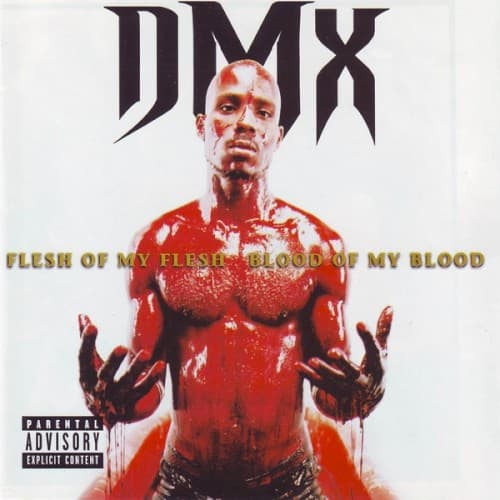
Start with Ruff Ryders' Anthem if you want the hit, Get at Me Dog if you want the energy, or Damien if you want to understand what the album is actually about. After this, hear Flesh of My Flesh, Blood of My Blood to see if DMX could do it twice, or hear The LOX's Money, Power & Respect to hear the Ruff Ryders sound with a different voice. Skip this if you need hooks or hope. This is the album that changed what a number-one debut could sound like, and it still sounds like nothing else.
Track by track
Track Listing
Intro
SolidA prayer over a Mtume sample. DMX asks for strength and admits he is losing. It sets the tone: this will be a confession, not a party.
Ruff Ryders’ Anthem
StandoutSwizz Beatz's breakout beat is all kick, snare and a whistling loop, and DMX was right that it is simple. The lyrics are slogans, the hook is a chant, and it works because simplicity here sounds like a threat. The track became the biggest song on the album and launched Swizz's career. It is repetitive, but repetition is the point: this is a block anthem, not a think piece. The energy is undeniable even if the writing is not.
Fuckin’ Wit’ D
SolidPK and Dame Grease flip a Johnny Hammond sample into a short, blunt threat. DMX runs through the consequences of crossing him in under two and a half minutes. It is filler by album standards, but it keeps the pressure on.
The Storm (skit)
SolidRain, thunder, dogs barking. A minute of atmosphere that works as a reset before the album dives deeper.
Look Thru My Eyes
StandoutThis is where the album shifts from aggression to despair. DMX describes paranoia, poverty and survival guilt over a PK and Dame Grease beat that lets the words breathe. The verse about watching his friend die is specific and devastating, and the hook asks the listener to understand rather than judge. The writing here is vivid without being theatrical: he names the block, the feeling, the consequences. It is one of the best tracks on the album because it sounds like testimony rather than performance.
Get at Me Dog
StandoutDame Grease samples B. T. Express and builds a loop that sounds like it is already moving. Sheek Louch shows up and matches the energy without stealing the track. DMX's flow here is all momentum: he switches cadences every few bars, barks in the ad-libs, and makes the hook sound like a dare. The beat is minimalist, just drums and a bassline, and it works because DMX fills every gap. This was the first single and it showed what the album could do when it was not trying to be a hit.
Let Me Fly
StandoutA José José sample and a plea for freedom. DMX sounds exhausted here, which makes the track feel earned. The production is softer than most of the album, almost mournful, and the hook is one of the few moments where he sounds like he wants something other than revenge. It is a breather in the middle of the descent, and it works because it does not try to resolve anything.
X‐Is Coming
WeakPK builds a creeping beat and DMX describes assault in language so blunt that it crosses from menace into ugliness. Spin was right to call it a rape fantasy, and the track is hard to defend even in context. The writing is specific in ways that feel gratuitous rather than necessary, and it is the clearest example of the album's refusal to soften anything. It is effective as horror, but it is also the moment where the darkness tips into exploitation.
Damien
StandoutA conversation with the devil over a Dame Grease beat that samples Stanley Clarke and Bach. This is the centerpiece of the album, the track that makes the title literal. DMX frames temptation as a friend who knows exactly what to say, and the writing is specific: the devil offers a gun, a plan, an escape. The back-and-forth structure makes it feel like a short film, and the production builds dread without ever releasing it. The hook is just the devil's voice, calm and reasonable. It is one of the best storytelling tracks in nineties rap because it makes the internal argument audible.
How’s It Goin’ Down
StandoutThe closest thing to a love song on the album, though even this is suspicious and transactional. PK samples The Headhunters and builds a groove that actually swings, and DMX uses the space to describe a relationship that might be real or might be another setup. The writing is paranoid even here: he is asking questions, testing loyalty, waiting for the betrayal. It was the fourth single and it worked because it gave the album a human moment without breaking character. Drake interpolated it on U With Me in 2016 after asking DMX for permission, which shows the track's reach.
Mickey (skit)
SolidA phone conversation, twenty-five seconds. It is setup for Crime Story and it does not need to be longer.
Crime Story
SolidIrv Gotti and Lil Rob sample Edwin Starr and build a narrative track about a robbery gone wrong. The writing is detailed: DMX describes the planning, the execution, the consequences. It is solid storytelling, but it is not essential. The beat is too polished for the rest of the album, and the track feels like it could have been on a different record.
Stop Being Greedy
StandoutPK and Dame Grease flip a Diana Ross sample into a warning about loyalty and money. The hook is direct, the verses are blunt, and the track works as a thesis statement about trust. It was the second single and it showed that DMX could make a song about principles without softening the edges. The production is sparse, just drums and a loop, and it gives the writing room to land. It is not a highlight, but it is one of the tracks that aged well because the message is still relevant.
ATF
SolidDame Grease builds a tense, minimal beat and DMX describes a raid in under two minutes. It is short, effective, and one of the few tracks where the brevity feels like a strength. Filler by length, but not by execution.
For My Dogs
WeakA posse cut with Big Stan, Loose, Kasino and Drag-On over a Dame Grease beat. It sounds like an obligation. The guests are fine, but the track breaks the album's focus, and by this point in the runtime the energy is starting to sag. It is the weakest track in the back half because it does not add anything the album needs.
I Can Feel It
StandoutDame Grease flips the Phil Collins drum break from In the Air Tonight and builds a track about inevitability and dread. The sample is famous enough that it carries weight, and DMX uses it to describe the feeling that something bad is about to happen. The writing is less specific than the best tracks, more atmosphere than argument, but the production is strong and the hook lands. It is a solid late-album moment that keeps the mood intact.
Prayer (skit)
StandoutAnother prayer, two and a half minutes. DMX asks for forgiveness and strength, admits he is struggling, and sounds like he means it. It is the longest skit on the album and it earns the time because it reframes the violence as desperation rather than choice.
The Convo
StandoutThe counterweight to Damien: a conversation with God over a Dame Grease beat that samples the Bee Gees and interpolates Terri Gibbs. The structure is the same as Damien, but the tone is different. DMX is begging, not listening, and the writing makes it clear that he does not expect an answer. The production is mournful, almost gospel, and the track works because it sounds like the end of the argument. It is one of the best tracks on the album because it makes the desperation feel permanent.
Niggaz Done Started Something
SolidDame Grease samples Marvin Gaye and brings in The LOX and Mase for a posse cut that closes the album. It is fine. The LOX match the energy, Mase is out of place, and the track is longer than it needs to be. By this point the album has made its case, and the closer feels like a victory lap that does not quite fit. It is not bad, but it is not the ending the album deserves.