The scorecard
6.9/10 · Good
- Writing25%
- 7.0
- Production25%
- 6.5
- Delivery15%
- 7.0
- Cohesion15%
- 6.5
- Originality10%
- 8.0
- Replay value10%
- 6.5
The crime narratives carry names, places and consequences, while the sex and pimping songs run on repetition and swagger.
The hard, stripped-down beats suit Ice-T's voice and the rock and funk samples add real texture, though brittle snares and thin bass sit on top of the tracks instead of sinking into them.
Ice-T's flat, unhurried reporter's voice turns violence into something chilling and sober, and it stays interesting even when the beats under him are thin.
The short, quick-moving album never overstays and recovers with a dark, heavy closer, though it front-loads its best material and swings between reportage and party music without a clear logic.
Detached first-person street narrative on a West Coast record was a new template at the time and the genre kept it.
The reportage and the voice still hold up on repeat listens, even if the dated drum sounds and the sex-and-pimping cuts make the full album a harder return trip.
Ice-T Rhyme Pays: The Blueprint Hiding Inside One Seven-Minute Story
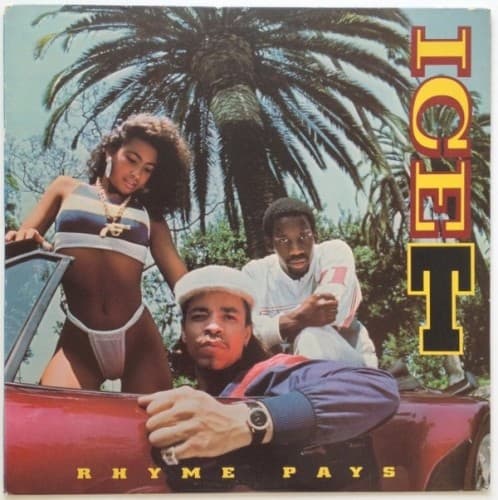
Almost everything that matters about Rhyme Pays happens in one song. "6 'n the Mornin'" runs more than seven minutes, and in that time Ice-T lays out a template that West Coast rap would spend the next decade filling in: a first-person street narrative, flat and unhurried, delivered with the detachment of a man reporting what he saw instead of celebrating it. Critics at the time and historians since have treated that track as a founding document of gangsta rap, and the claim holds up. The trouble is that the rest of the album does not live at that level. My argument is that Rhyme Pays is a record whose historical weight is larger than its listening pleasure, and that it should be heard as a blueprint, not as a finished building.
The context makes the achievement clearer. This was a debut for a rapper working out of Los Angeles, released on Sire, a label that had never put out a hip-hop record before. It sold well enough to go gold, which was far from guaranteed for a record this blunt, and it carried a parental warning label at a time when the industry had not yet standardized one. Ice-T did not have a template to follow on the West Coast; the dominant local sound was still party electro and early club rap, and what he does here is bend that sound toward crime reportage.
That bending is the album's real subject, and it is also its limit. The music around him is thinner and more mechanical than his voice deserves, the sex songs are brash and repetitive, and the sequencing leans on formula once the standout is out of the way. Set against what came afterward, from N.W.A to the polished West Coast hip-hop of the nineties, this record sounds early and unfinished. Set against what came before it, it sounds like a door being kicked open.
Rhyme Pays earns respect and a middling-to-good rating: one great song, one very good idea, and a lot of period filler.
A Deadpan Voice Over Brittle Drum Machines
The album works because of its delivery. Ice-T's voice is clipped, deadpan and slightly bored, which sounds like a limitation until you hear what it does to the material. When a rapper of the period described violence with excitement, the effect was cartoonish; when Ice-T describes it in the same level tone he uses for a car or a girl, the effect is chilling. That detached reporter's stance is the most original thing on the record, and it is the thing the genre kept. Critic Robert Christgau noted that the true-crime pieces were detailed and harrowing enough to be convincing, and that is the right place to look: the storytelling carries the record, not the rhyme scheme.
The production is where the compromises show. DJ Afrika Islam is credited with helping flesh out the crime-themed raps, and the best of the beats have a hard, stripped-down quality that fits the voice. But the album's sound is dominated by the drum-machine hip-hop of its moment: brittle snares, thin bass, and electronic stabs that sit on top of the track rather than sinking into it. The sampling is more ambitious than the arrangements. Rock and funk reference points appear, including a heavy metal riff on the opener and a James Brown title borrowed outright, and they give the record its more interesting textures, but the loops rarely build into a groove with the weight that Dr. Dre would later give the same region's records.
Where the writing is strong it is specific, and where it is weak it falls back on formula. The crime narratives have names, places and consequences, and a believable sense of the cost. The sex and pimping songs, by contrast, run on swagger and repetition, and they have dated far worse than the street reporting. One song drew a complaint from the label's own head over a line he read as homophobic; Ice-T insisted he meant only to state a personal preference, and he later became one of the first hardcore rappers to condemn homophobia. The line is a reminder that the record's attitudes belong to its time.
The concrete weakness is the unevenness of tone. The album swings between detached reportage, party boasting and moral warning without a clear logic for why one follows another, and the shorter tracks feel like attempts to catch up with what the long ones are doing. Several songs have good ideas and no development; they end when the beat runs out.
Even so, the voice never stops being interesting, and the album's strongest moments carry an authority that the genre's later, louder records often lacked.
A Debut That Peaks Early and Finds Its Footing Late
As a sequence, Rhyme Pays is front-loaded to an unusual degree. It opens with a long title track that doubles as an introduction, and by the time the second song begins, the album has already shown its most ambitious side. That second song is the one everybody remembers, and placing it so early is both a strength and a trap: the record spends its remaining thirty minutes trying to match it and mostly cannot.
The middle stretch is the album at its most ordinary. A funk-flavored dance cut and a pair of songs about women and sex occupy the center of the record, and while each has its energy, none of them has the narrative force of the opening. The pacing is quick, and the songs are short, but the shift from grim reportage to party music is abrupt and the tonal whiplash is never resolved. It plays like a set from a club act who also has a conscience, and the two halves do not fully trust each other.
The recovery comes late. The final third returns to the darker material, and the closing song, long and heavy with a violent, bleak edge, brings the record back to what made it matter. That final track points directly toward the more focused work Ice-T would soon make, and it makes the whole album feel like a draft of a better one.
At nine tracks and roughly forty-five minutes, the length is earned in the sense that the album does not overstay. Nothing here feels padded for padding's sake, and the short songs are over before they wear out. But the quality curve is uneven enough that a listener could reasonably program the album, skip the weakest stretch, and come away with a stronger version than the one the sequence delivers. The shape is that of a debut: two or three tracks that announce a major talent, surrounded by material that shows an artist still working out what his voice is for.
The Origin Story Is Worth More Than the Album
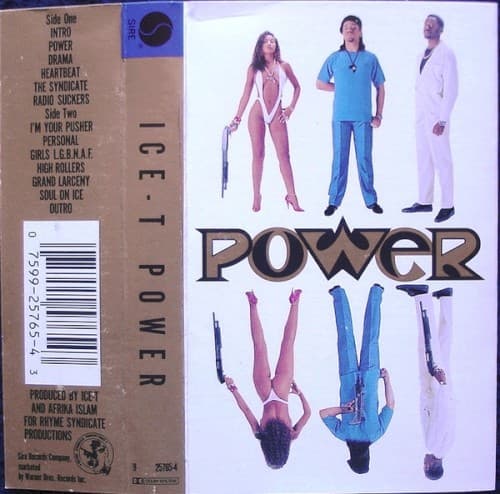
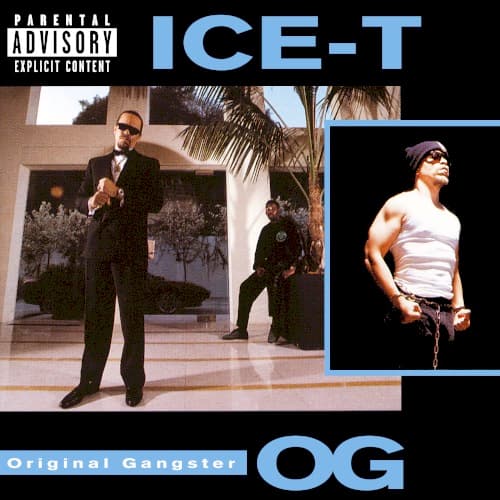
In Ice-T's catalog, Rhyme Pays is the origin story, not the peak. Its follow-up, Power, has a stronger sound and a clearer voice, and O.G. Original Gangster later widens the scope considerably. This debut ranks below both on the strength of its sound and above them on pure historical novelty. A rating in the good-but-not-great range is fair: the one standout is worth an entire album's reputation, and the rest is a competent, dated hip-hop record.
The record is for listeners who want to hear where West Coast gangsta rap actually began, who care about the lineage of the genre and want to hear its first major crime narrative in context. It is also for anyone curious about how a flat, observational style of storytelling turned into a template. It is not for listeners who want a polished listening experience, who expect the booming, layered production of the nineties, or who have little patience for the party-and-pimping material that fills out the record.
As for age, the album has held up unevenly. The reportage still works, and the voice has lost nothing. The electronic drums and the brash sex songs sound firmly like 1987. The album's value has shifted from enjoyment to education, and it benefits from being heard with that expectation.
Start with "6 'n the Mornin'", the song that defined the record's reputation, then try the opening title track for its odd mix of rock samples and street voice, and finish with the closing song, "Squeeze the Trigger", to hear the darker direction the artist would soon pursue. Those three tell the story.
For what to hear next, go to Power for the sharper production and the more developed writing, and then to the work of Ice-T from the early nineties for the wider ambition. The best reason to own this debut is that it makes everything after it easier to understand.
Track by track
Track Listing
Intro / Rhyme Pays
StandoutA long opener that doubles as a manifesto. It carries an interpolation of a famous piano theme and a sample of a heavy metal riff, a bold pairing that gives the track an eerie, unsettling frame. Ice-T uses the six and a half minutes to establish his persona and his terms, and the delivery is controlled and dry. It lacks the story of the song that follows, and the beat feels a little thin for its length, but as a statement of intent it works.
6 ’n the Mornin’
StandoutThe reason the album matters. At more than seven minutes it is the longest cut, and it plays as a short film: a police raid, a getaway, a detached narrator who never raises his voice. The flow is clipped and the beat is stark, leaving room for the details to land. This is the track that critics credit with defining gangsta rap, and the assessment holds. It is also a better argument for the form than most of what followed, because it refuses to glamorize anything. The essential track.
Make It Funky
SolidA dance-floor cut built on a James Brown reference, and the clearest connection to the club rap of the period. It is energetic and short on ideas, but the groove is genuine and the contrast with the opening tracks gives the album some needed air. Ice-T sounds looser here than anywhere else, and the song shows how close the early West Coast scene still was to party rap. It is a pleasant detour that does not try to be more than that, and it is more fun than it is important.
Somebody Gotta Do It (Pimpin’ Ain’t Easy!!!)
SolidThe pimp persona in its early form. Ice-T plays the role with a wink, and the beat is bouncy enough to carry it, but the joke is the whole song. It is a period piece, dated in attitude and effective mostly as a contrast to the grimmer tracks around it. The performance is confident and the hook is catchy, which is why it stuck as a persona, but the writing does not go beyond a character sketch and the beat never gets past a steady bounce.
409
SolidA car-and-girls song with a loose, playful feel, built around a hook that is easy to remember. It is also the track that drew a complaint from the label head over one line he considered homophobic, a charge Ice-T disputed. The groove is among the better ones on the album, but the controversy and the thin writing keep it from being a highlight.
I Love Ladies
SolidA straight celebration of women that is more cheerful than the rest of the record and less specific. The beat is functional and the verses coast on charm, which is not nothing. It is pleasant filler that makes sense in the sequence and does not stay in the memory. Placed between sharper songs, it works as a breather, and Ice-T clearly enjoys himself, but the verses blur together on a second listen and the hook is the only part that sticks.
Sex
WeakA short, brash track about its title subject, and the most dated song on the record. The writing is repetitive, the beat is thin, and it is over before it develops, and the instrumental bonus version that followed on the CD hints that the beat was the main idea. Filler. It adds an unflattering note to the sequence and shows the limits of the record's party side.
Pain
SolidA grim street portrait that points back toward the tone of the best material. The delivery is quiet and heavy, and the beat gives it space, though the song never builds to a clear point. It is a solid, understated entry that hints at the more serious writer to come. The quiet delivery works in its favor, and the restraint is what sets it apart from the louder songs around it. A track worth hearing for what it promises more than for what it finishes.
Squeeze the Trigger
StandoutThe closer, and the album's second-best argument for itself. At more than six minutes it is dark, deliberate and bleak, and Ice-T's flat delivery turns violence into something sober instead of exciting. The beat is spare and the pacing is patient, and the track points directly toward the more focused social writing of his next record. It does not have the narrative detail of the album's best-known song, but it is the right way to close: heavy, uncomfortable and unglamorous. A strong finish that raises the album's average.
Frequently Asked Questions
Is Ice-T's Rhyme Pays good?
Was Rhyme Pays the first gangsta rap album?
What should I listen to after Ice-T's Rhyme Pays?
Styles