The scorecard
8.0/10 · Great
- Writing25%
- 8.0
- Production25%
- 8.5
- Delivery15%
- 8.5
- Cohesion15%
- 7.0
- Originality10%
- 7.5
- Replay value10%
- 8.0
The riot-era reporting on When Will They Shoot? and Who Got the Camera? is specific and angry, but the mid-album material leans on attitude more than detail.
DJ Pooh, DJ Muggs and Sir Jinx give the record a rounded, slow-rolling West Coast low end, with Pooh's warm loop on It Was a Good Day the high point.
Cube's clipped bark rides the slower tempos with patience, and Das EFX add a quick, staccato counterweight on Check Yo Self.
The three-act sequencing and the placement of It Was a Good Day are smart, but three inserts and an intro pad twelve real songs into a sixteen-track count, and the mid-album stretch around Dirty Mack loses momentum, leaving the back half noticeably weaker than the front.
The sound follows the groove-first template of its Los Angeles moment, though the riot reporting and the story-song structure are Cube's own.
The best half-dozen songs still play at full strength, while the skits and connective tissue are skippable on repeat listens.
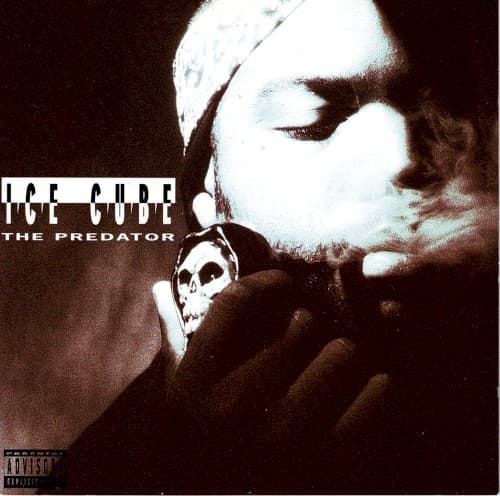
Ice Cube The Predator — Rage With a Groove Under It
The Predator is the record where Ice Cube found out that anger travels farther with a groove under it. It arrived within months of the 1992 Los Angeles riots, and it is full of verdicts, fires and distrust, yet its biggest moment is a song about a day on which almost nothing goes wrong. That tension is the album. It is also why The Predator is the most West Coast-sounding record Cube made without being his best one.
The argument here is that the album earns its reporting and borrows its sound. The reporting is Cube's own: the dispatches on police, on the media's version of events, on a city waiting for the next spark, written in plain sentences with a street-level eye. The sound belongs more to the moment. The slow tempos, round bass and spacious drums were the house style of Los Angeles rap in late 1992, and Dr. Dre's circle was about to push the same template into the mainstream with The Chronic. Cube arrives at that sound as a participant and a customer rather than as its architect, and the best songs prove the purchase was a smart one.
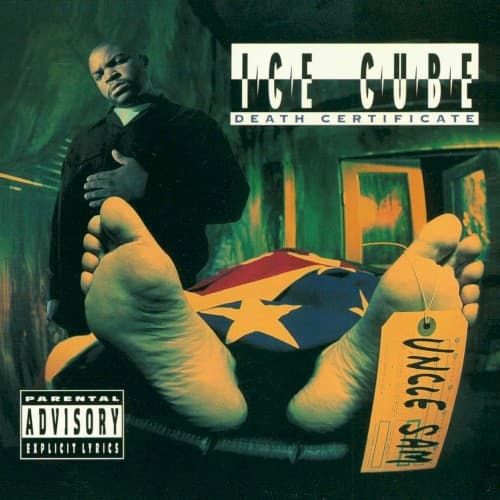
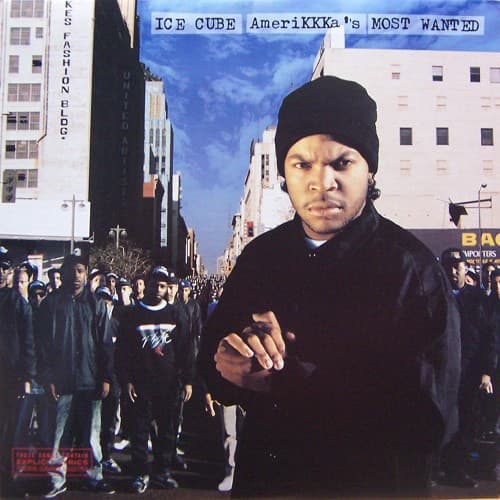
The numbers say it worked. It debuted at number one on the Billboard 200 with 193,000 copies in its first week, his first chart-topping debut, and later went double platinum. Against the ruptured, noisy intensity of [AmeriKKKa’s Most Wanted](/albums/ice-cube/amerikkkas-most-wanted/review) and the sharper focus of [Death Certificate](/albums/ice-cube/death-certificate/review), it is looser, more melodic and noticeably less dangerous. That trade explains both its commercial reach and its place a notch below those two records, and it is the thread the rest of this review follows.
A Reporter's Pen on a Smoother Bounce
The writing works in two registers, and the album is strongest where they overlap.
One is reportage: Cube describes the aftermath of the riots, the behavior of police and the rules of survival in hard-edged sentences, with fewer punchlines than on his earlier work and more attention to concrete detail. The other is character work, the menacing narrator who treats confrontation as a sport.
When the narrator and the reporter are the same voice, the threat has a reason behind it. When they separate, as on the thinner mid-album material, the menace turns routine and the verses coast on attitude.
Delivery is the most reliable asset. Cube's voice is a clipped, nasal bark, and here he rides the beats instead of fighting them. Compared with the crowded, shouting energy of his first two solo albums, the cadence is more patient: bars are allowed to land, space is left between lines, and the volume is saved for emphasis.
The hooks are built to be chanted back, which helps explain the sales. Guests are used sparingly. Das EFX supply a quick, tongue-twisting counterweight on one cut, while Don Jagwarr and Lil Russ are functional rather than memorable.
The production is where the West Coast argument lives. DJ Pooh, DJ Muggs, Sir Jinx and Torcha Chamba share the main credits, with Cube himself and a handful of others pitching in. What they have in common is slower tempos, a rounder low end and room around the drums.
That is the bounce Dr. Dre's orbit was refining at the time, and the sound is borrowed in that sense. But the borrowing is selective. Muggs brings sparser, darker loops closer to what he was doing in Cypress Hill's world, Pooh supplies the warm melodic cuts, and Sir Jinx handles the story-driven pieces.
The record sounds like Los Angeles in 1992 rather than like one producer's vision.
Is that a strength of authenticity or a limit on identity?
The comparison with other regions is useful. The Bay Area of the same era, from Too $hort to E-40, bent the bounce toward the eccentric and the slangy; Cube is more orderly, more declarative, a pamphleteer with a good drummer. Later Los Angeles rap inherited the idea he perfects here, the day-in-the-life song with a smoky groove, and [Kendrick Lamar](/artists/kendrick-lamar) is the clearest modern descendant of that structure.
The weaknesses are structural and tonal. The mix is so smooth that songs about rage sometimes lose their teeth, and the production never recreates the claustrophobia of his debut. The middle of the record, around Dirty Mack, settles into competent mid-tempo cruising without a strong idea. Skits and inserts take up real space, and the humor in them runs thinner than the anger around them.
A Front-Loaded Arc That Settles Into Cruise Control
The album is sequenced like a three-act argument. The opening stretch sets out the stakes quickly: an intro that frames the world, then a run of songs about suspicion, violence and bravado, each with a distinct beat. By the time the album reaches It Was a Good Day, the rage has built enough pressure that the relief reads as a release rather than a detour. That placement is the cleverest decision on the record, because a song about contentment lands harder when the preceding material has made the case that contentment is rare.
After that peak, the pacing slackens. The middle runs through several songs at similar tempos with similar moods, and the inserts, which are meant to break the pattern, mostly interrupt it instead. Three inserts and an intro surround twelve real songs, so the sixteen-track count overstates the content. The padding is not fatal, since the skits are short, but a tighter edit would have sharpened the record's impression of force.
The late stretch recovers some ground. The album returns to its social material with a vivid piece about police and surveillance, Who Got the Camera?, and then closes on a character study that lets Cube play the villain with obvious relish. Ending on persona rather than on a message is the right call; the record has already delivered its argument and does not need a speech.
At roughly an hour including the interludes, the length is only partly earned. Eight or nine songs are strong enough to stand beside anything in his catalog, and the rest function as connective material. The result plays well from front to back once, with the front half noticeably stronger than the back, and many listeners will find themselves returning to the first half of the sequence and the singles far more than to the final third.
Third Among Equals, First in Reach
In Ice Cube's catalog, The Predator sits below AmeriKKKa’s Most Wanted and Death Certificate and well above Lethal Injection. The first two records had a sharper idea and a more dangerous sound, and they were built around a feeling that the walls were closing in. The Predator widened the audience by softening the sound, and the gap in ambition is what separates a score near 8 from the mid-8s above it. Lethal Injection, which followed it, shows what happens when the groove stays and the urgency leaves, which makes this album look better in retrospect.
It is for listeners who want the West Coast bounce with a news-desk edge, and for anyone tracing the line from early-90s Los Angeles to the story-driven records of later decades. It is also the easiest entry point into Cube's early run, since the beats are friendlier. Listeners who want the dense, abrasive intensity of his debut should go there instead, and anyone who dislikes skits and interludes should expect to use the skip button.
It has aged well where it counts. The riot-era subject matter still sounds like documentation rather than a period piece, and the grooves have not dated the way glossier production from the same year has. The inserts have aged worst, since their jokes depended on the moment.
Start with It Was a Good Day for the relaxed side, When Will They Shoot? for the reporting, and Check Yo Self for the hook craft and the Das EFX cameo. For the next listen, go to [Death Certificate](/albums/ice-cube/death-certificate/review), which makes the same arguments with fewer concessions, or to [Lethal Injection](/albums/ice-cube/lethal-injection/review) to hear the Los Angeles groove stretched past the point where the anger could keep up. The song that best explains the record's staying power is the one about the good day, because it is the one that makes the surrounding anger believable.
Track by track
Track Listing
The First Day of School (intro)
SolidA short scene-setter that frames the album's world. It does its job and is not a reason to replay the record.
When Will They Shoot?
StandoutThe record's most pointed reportage, produced by DJ Pooh with Bob Cat and Ice Cube. The tempo is deliberate and the beat leaves room for Cube to lay out his case about police and the aftermath of the riots in plain, unadorned sentences. It lacks a big chorus, so its weight comes from tone and content. The song sets the album's thesis early: this is a record about a city under pressure, and the groove is a way of delivering the message.
I’m Scared (insert)
WeakA brief skit that interrupts the momentum built by the opening song. Skippable.
Wicked
StandoutA single with a hook-driven swagger, produced by Torcha Chamba and Ice Cube, with a guest turn from Don Jagwarr. Cube's voice is at its most commanding here, and the chorus is built to be shouted. The guest is serviceable but slightly dilutes the track's focus. It is a good example of how the album trades the abrasion of his earlier work for a more chart-ready punch without losing the attitude.
Now I Gotta Wet ’cha
StandoutDJ Muggs strips the sound down to a dark, loop-driven bed, and Cube responds with a colder, more threatening delivery. It is one of the record's heavier moments and a reminder that the album can still be menacing when the production gives it room.
The Predator
StandoutThe title track, produced by DJ Pooh, frames Cube as the hunter rather than the hunted. The beat is spacious and rolling, and the delivery is confident and deliberate, which suits the persona. It works as a mission statement for the album's tone, though it is more about posture than about the details that make his best songs stick. A strong cut that sits just below the singles.
It Was a Good Day
StandoutThe album's defining song and one of the best West Coast records of the decade. DJ Pooh builds a warm, unhurried groove, and Cube writes a day of small wins in a relaxed, almost conversational cadence, with just enough menace at the edges to keep it from sounding naive. Its power comes from placement, since the surrounding record is so tense that relief feels earned. It is the clearest ancestor of the story-driven, smoky Los Angeles records that came after, and it still plays as effortless.
We Had to Tear This Mothafucka Up
StandoutDJ Muggs produces a loud, crowd-ready response to the riots, written as a chant rather than a story. It has real energy and a clear point of view, though it is blunter than the reporting elsewhere on the album. Effective, but less detailed than the best material.
Fuck ’em (insert)
WeakA Sir Jinx-produced insert that is more filler than statement. It does little beyond holding the sequence together.
Dirty Mack
SolidProduced by Mr. Woody, this is a competent mid-tempo cut that cruises without a strong idea. The beat is smooth, the delivery is professional, and little sticks afterward. Typical of the middle stretch.
Don’t Trust ’em
StandoutA paranoia piece with three producers credited, Rashad, Ice Cube and DJ Pooh, and a consistent suspicious tone. The beat is tighter than its neighbors and the verses hold together well, making it a quiet success in the second half.
Gangsta’s Fairytale 2
SolidA sequel built on the fairytale conceit, with Lil Russ on the hook and production by Pocketts and Ice Cube. The idea is fun and the pacing is brisk, but it does not add much to the original premise. A pleasant lighter moment rather than a highlight.
Check Yo Self
StandoutA big, hook-centered single from DJ Muggs and Ice Cube, with Das EFX adding a nimble, staccato counterpoint to Cube's heavier delivery. The chorus is built for the club and the radio, and the guest verses give the track a different texture from the rest of the record. It is the album's most commercial moment and one of its most energetic, and the later remix with a Grandmaster Flash sample extended its life.
Who Got the Camera?
StandoutProduced by Sir Jinx, this is a narrative piece about police violence and the recorded evidence that surrounds it. The song uses scene-setting and dialogue to make its point rather than relying on a chorus, and the writing is specific and angry in a way the mid-album tracks are not. It is the album's second-strongest piece of reporting and a sharp reminder of the context that shaped the record.
Integration (insert)
SolidA short Cube-produced interlude that works as commentary but adds little on repeat. Skippable.
Say Hi to the Bad Guy
StandoutSir Jinx closes the record with a character piece in which Cube leans into the villain role with obvious enjoyment. Ending on persona rather than a message is the right choice, and the beat is spacious enough to let the delivery do the work. A strong finish, if a little lighter than the album's opening statements.
Frequently Asked Questions
Is Ice Cube's The Predator a good album?
How did The Predator perform commercially?
Who produced Ice Cube's The Predator?
How does The Predator compare to Death Certificate?
Styles