The scorecard
6.6/10 · Good
- Writing25%
- 7.0
- Production25%
- 6.5
- Delivery15%
- 7.5
- Cohesion15%
- 6.0
- Originality10%
- 5.5
- Replay value10%
- 6.5
Several hook-driven songs treat the same ideas as product, though Streets Is Watching and Where I'm From pair exact street detail with real self-awareness.
DJ Premier and Ski deliver hard, spare beats, but the Hitmen-era gloss on the singles flattens the rapper and makes the credits sound like a committee.
Jay-Z is sharper in the pocket than on the debut, and his relaxed, exact flow lifts average beats on Imaginary Player and The City Is Mine.
The mid-tempo, hook-heavy middle stretch blurs together and the album never decides whether it is a street record or a radio record.
The blend of street writing and pop-leaning production was already a Bad Boy-era formula, and the arrangement adds no more than the best individual verses.
The strongest verses and a handful of songs hold up well, though the weaker singles and uneven sequence make the full album a less frequent return.
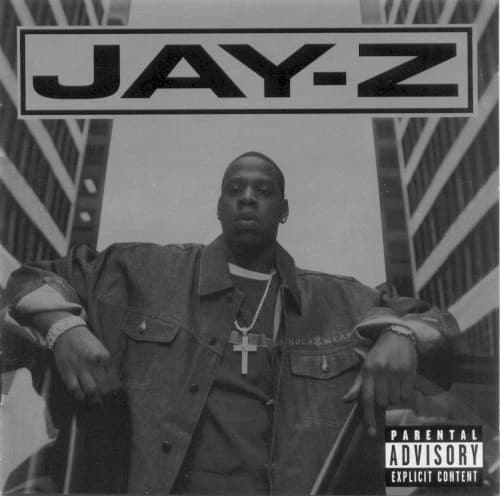
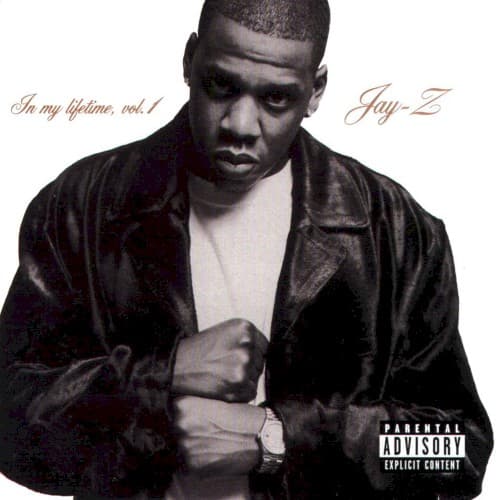
JAŸ-Z In My Lifetime, Vol. 1 — A Sharp Rapper in a Shinier Suit
In My Lifetime, Vol. 1 is the sound of a sharp rapper being asked to wear a shinier suit and mostly agreeing to it. JAŸ-Z's rhyming here is better than on his debut, tighter in cadence and more confident in the pocket, yet the record keeps handing him beats that smooth his edges just when his writing is getting interesting. The thesis is simple: this is a strong rapper on a weak-to-middling album, and the gap between the two is the whole story.
The context is worth two sentences because it explains the mood. The Notorious B.I.G. had died in March 1997, and Jay-Z later said the sessions were not as fun as those for Reasonable Doubt and that some songs, "The City Is Mine" among them, were shaped by that loss. The album sounds like that admission: serious in the verses, polite in the production, and unsure whether it wants to be a street record or a radio record.
Heard from the West Coast tradition, the contrast is instructive. G-funk and the Bay's independent hustler rap built their reputations on a coherent sonic identity, with one set of sounds, one bass language and a clear sense of place from first track to last. Jay-Z's album has the opposite problem: a dozen hands on the beats, each with a different idea of what a Jay-Z record should sound like. The writing is consistent. The sound is not.
That is why the record sits in an awkward place. The best verses are as good as anything on the debut, and a few songs are excellent. But the glossy Bad Boy-era sheen and the long run of mid-tempo, hook-heavy cuts turn a rapper's record into a compromise. It went platinum and debuted at number three, which proves the compromise worked commercially. As an album, it works less well than the numbers suggest.
Tight Verses, Too Many Producers, and a Gloss That Fights the Voice
The strongest thing here is the rapping. Jay-Z had a lighter, more flexible flow than his debut allowed, and he uses it to sound conversational while stacking internal rhymes. The best verses are built around precise street detail: the economics of hustling, the paranoia of the block, the small social calculations of a man trying to move up. That material is not new for him, but it is better observed than before, and it is delivered with a calm that makes the threat feel quieter and more real. Jay-Z described the album as more detailed, in-depth and personal than his debut, and the writing mostly bears that out, especially when he moves between project poetry and player's bragging within a single verse.
The production is the problem. The fact sheet credits a wide mix of hands: DJ Premier and Ski, who supplied beats for Reasonable Doubt, plus Teddy Riley, Trackmasters, Stevie J, Buckwild and others, with Puff Daddy's Hitmen team shaping much of the sound. When the beats are hard and spare, as with the Premier cuts, the album feels like a rap record.
When they go glossy, with stacked vocals, borrowed pop melodies and the radio-ready polish of the period, Jay-Z sounds like a guest at someone else's party. A listener raised on West Coast records will hear the contrast quickly. Dr. Dre and his peers built sheen on top of a very particular groove, where the gloss served the bass and the drums. Here the gloss often replaces them.
The guest spots are uneven. Foxy Brown, Lil' Kim, Babyface, Blackstreet and Puff Daddy were commercial assets, and the hooks they supply are professionally made, but they pull the record toward an R&B idiom that does not always fit the verses. The Too $hort feature is the exception that makes sense on paper, bringing an Oakland hustler's voice into a New York record, and it is one of the places where the album seems to know what it wants to say.
The weaknesses are not subtle. A number of songs rely on the hook to carry them, and the verses, however sharp, can feel like a rapper delivering product to a format. The pop-leaning singles are the clearest example. Jay-Z is a good enough stylist to make them listenable, but they are the least interesting use of his talent, and they date the album more than any other element. Critics at the time made this point too, with one calling the production mundane or embarrassing and another saying the album lacked a sure, guiding vision.
The delivery redeems a lot. Even on weak beats he sounds relaxed and exact, with a rhythmic control that elevates average material. If this album has a single reason to exist beyond its commercial results, it is that: a rapper at the top of his technical form, working with materials that do not always deserve him.
A Strong Opening, a Soft Middle, and a Late Return to Form
As a sequence, In My Lifetime, Vol. 1 starts strongly and then drifts. The opening is the best stretch: a hard, sample-flipping first track sets a tough tone, and the early songs mix menace with the first of the album's polished radio ideas. For a few tracks, the contrast between the street material and the glossier cuts feels like tension. After that, it feels like indecision.
The middle is where the album sags. Several mid-tempo tracks run into each other, with similar tempos, similar hook structures and similar guest-friendly builds, and the sequencing does little to separate them. A rapper with this much technical control should be able to carry a longer run of songs without the listener checking the clock, but the production does not give him enough variety to do it. Fourteen tracks and nearly an hour of music is not a long album by the standards of the period, but it feels longer than it is because the energy stays at one level.
The album recovers in the final stretch, where the writing turns more personal. One late track sets the mood for the close, with a spare beat that lets the rapping lead, and the final songs bring back the introspective tone that the first half only hinted at. That is where the record sounds like a statement and not a product, and it makes you wish the earlier sequencing had trusted the same instinct.
Compare this to the West Coast albums of the same decade, which were often built as single moods. Those records could be repetitive, but they were never confused about their identity. This one is confused, and the sequence is where the confusion shows. It is not a fatal problem, since the individual performances are strong enough to stay interesting, but it keeps the album from being the kind of record that you play front to back. The right way to treat it is as a collection of high points with a few weak seams between them, and the sequencing seems to know this: the best songs are placed apart, as if to keep the listener from noticing the filler.
A Midpoint Worth Visiting, Not a Place to Start
Against the Jay-Z albums already rated on this site, In My Lifetime, Vol. 1 would land just below Watch the Throne and well below 4:44. The comparison is fair because both of those records are more coherent as albums: 4:44 is built on a single clear idea, while Watch the Throne has a unified scale and ambition, even where it overreaches. This earlier record has better individual verses than its reputation suggests, but it lacks that unity, and that is what holds the score back.
It is for listeners who like Jay-Z as a technician and want to hear him at an interesting midpoint, between the tight street writing of the debut and the more confident, commercial figure he became. It is also for students of the late-nineties East Coast, who can hear the Bad Boy sound and the more traditional boom-bap approach competing on a single record. It is not for anyone who wants a consistent, immersive album, and it is not the best place to begin with him. Listeners who prefer the unified world-building of West Coast classics will find it scattered.
It has aged unevenly. The street songs still sound sharp, and the best verses have held their value. The glossier moments are the ones that feel dated, since the styles they borrow from have not held up as well as the rapping. Over time the record has become more interesting as a document of a rapper negotiating a market than as a standalone work.
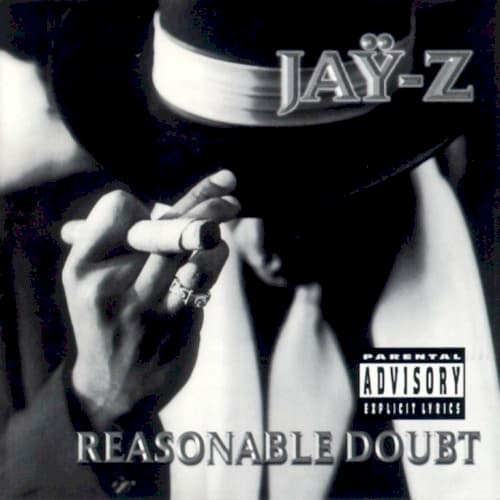
Start with the opening track for its hard, sample-driven energy, "Where I'm From" for the album's most direct statement of place, and "Streets Is Watching" for the kind of hustler's narrative that makes the case for Jay-Z as a writer. Then move to Reasonable Doubt, which the fact sheet describes as the more mafioso-leaning predecessor, to hear the same voice with tighter production. After that, try 4:44 to hear what the same rapper could do when the sound finally matched the writing.
The album's lasting value is a rapper at the edge of his craft, working inside a format that could not hold him.
Track by track
Track Listing
Intro / A Million and One Questions / Rhyme No More
StandoutA hard opening built on a sample of Aaliyah's "One in a Million" and credited to DJ Premier, which gives it a grit the later pop singles lack. Jay-Z's flow is quick and dense, and the way he flips a pop source into a street record is the album's best argument for what it could have been. A strong start that promises more than the sequence delivers.
The City Is Mine
StandoutA Teddy Riley production with Blackstreet on the hook, and the track where Jay-Z has said the loss of the Notorious B.I.G. shaped the verses. The first verse carries real weight, and the song has a sense of reaching for something beyond the street. The polished hook softens the effect, but the writing is serious and the performance is controlled.
I Know What Girls Like
WeakA pop-rap song with Puff Daddy and Lil' Kim, and the album at its most commercial. It is slick and catchy but thin, with Jay-Z treating the topic more as an exercise than a statement. This is one of the cuts that date the album most.
Imaginary Player
StandoutA smooth, cool-headed song about the people who pretend to a life they do not have. Jay-Z is at ease, and the lightly rolling beat gives his rhymes room to land. The writing is clever without being flashy. One of the better balances between the album's street side and its radio side.
Streets Is Watching
StandoutA Ski production that returns to the darker mood of the debut. The beat is moody and spare, and Jay-Z's narrative about the pressure of watched ambition is one of the album's best-written pieces. The delivery is calm and ominous, and the song proves that the rapper's strengths were intact whatever the surroundings. One of the keys to the record.
Friend or Foe ’98
SolidA short DJ Premier cut that exists mostly to show off the rapping. It is tight and clean but over in just over two minutes, closer to a freestyle than a song, and the hard beat is a welcome reminder of the album's rougher side.
Lucky Me
SolidA longer, mid-tempo track with Stevie J and Buckwild behind the boards. Jay-Z reflects on success and its accidents, but the hook is plain and the beat does not do much to lift it. Fine, though forgettable, and it adds length without adding a new angle on the album's themes.
(Always Be My) Sunshine
StandoutA Babyface and Foxy Brown collaboration that Robert Christgau named a highlight. The hook is warm, the beat is smooth, and Jay-Z's verse fits the romantic-hustler mood. It is one of the album's more successful attempts at blending R&B and rap, though it still leans heavily toward polish.
Who You Wit II
StandoutA second Ski beat and the album's most traditional street record, with a loping, confident groove. The verses are specific and the rhythm is relaxed. It is the kind of song that makes the case for the album as more than its singles.
Face Off
SolidSauce Money joins over a Trackmasters beat for a rap-for-rap's-sake exchange. The two rappers trade verses with competence, but the beat is plain and the song lacks the strong hook or idea that would set it apart. Solid filler, and the kind of track that explains why the middle of the album blurs together.
Real Niggaz
StandoutA collaboration with Too $hort, whose presence brings a West Coast voice into the record. The verses are strong, and Christgau named it a highlight. It is a rare moment when the guest list serves the music, with Jay-Z's measured delivery and Short's lived-in tone playing against each other. One of the keys to the album's better side.
Rap Game / Crack Game
StandoutA short Big Jaz cut that compares rapping to dealing. The metaphor is simple but sharp, and the brevity helps it. A good short song that does what it needs to do and leaves.
Where I’m From
StandoutA direct piece about place and upbringing, and the strongest statement of identity on the album. The beat is spare and the detail is exact, from the physical conditions of the neighborhood to the attitude it gives you. Jay-Z sounds personal rather than performing, and the writing earns the weight it carries. A standout, and an example of what the album's more personal promise was meant to deliver.
You Must Love Me
SolidA long, reflective closer that leans on emotion and regret. The beat is soft and the mood is somber, and it fits the album's undercurrent of loss. It runs a little long and the hook is simple, but it ends the record on the more serious tone it needed.
Frequently Asked Questions
Is Jay-Z's In My Lifetime, Vol. 1 worth listening to?
How did the death of Notorious B.I.G. affect the album?
How is In My Lifetime, Vol. 1 different from Reasonable Doubt?
How did In My Lifetime, Vol. 1 perform commercially?
Styles