The scorecard
8.6/10 · Essential
- Writing25%
- 8.0
- Production25%
- 9.0
- Delivery15%
- 9.0
- Cohesion15%
- 8.5
- Originality10%
- 8.5
- Replay value10%
- 9.0
The group's wit and warmth on the singles and Family Business are sharp, and while the crew-heavy cuts such as Cowboys drift into generic posturing, the best writing here is unusually humane and specific.
Sparse sample-based grooves, live guitar on Family Business, scratching on Manifest/Outro and well-chosen borrowed melodies like the Enya piece under Ready or Not make the sound spacious, unmistakable and remarkably consistent across a crowded list of production credits.
Lauryn Hill's rapping and singing on Zealots and Killing Me Softly set the standard for the genre in 1996, and the contrast with Wyclef Jean and Pras gives the group its motor.
The interludes and outros frame an ambitious radio-drama arc that mostly succeeds, with the front-loaded singles and a handful of baggy back-half tracks the only real breaks in momentum.
Cover songs, reggae roots and live instruments folded into a rap record this naturally were rare in the mid-1990s, and the approach has been imitated since.
The singles and the top half of the tracklist still reward repeat plays three decades on, and the clean mix and live touches keep the sound from dating to a single studio year.
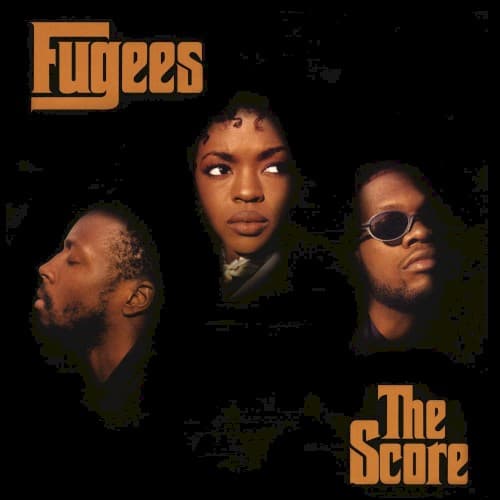
Fugees The Score: Three Great Singles, One Great Singer, and an Album That Needs Both
The case for The Score is made in the stretch from Ready or Not to Killing Me Softly, where a reggae-rooted trio turns an Enya sample, a Roberta Flack cover and a run of hard-edged rap songs into the same album without anything sounding like a stretch. That run is why the record sits in nearly every list of the best hip-hop albums of the 1990s. It is also where the canon quietly stops looking at the record and starts remembering it.
The argument here is that the canon has this album half right. The Score is a great record because its best songs are unusually well made, unusually humane, and carried by a vocalist, Lauryn Hill, who changes the temperature of every track she enters. It is not quite the seamless audio film that Hill herself compared it to, a radio-style story with cuts and breaks. That is the version streaming playlists and anniversary tributes remember. The record as sequenced has a baggy back half, a pair of guest-heavy cuts that slow the momentum, and a bonus-track tail that mostly extends the hit.
Two facts raise the stakes. The first is scale: by one estimate the album has sold some 22 million copies worldwide, topped the Billboard 200 and won the Grammy for Best Rap Album, so its reputation was settled by volume before critics had time to argue. The second is that it was the second and final studio album by the Fugees, which makes it easy to praise by reflex. It deserves better than reflex. Listened to as a sequence rather than as a greatest-hits playlist with an introduction, it is a very good album with a handful of great songs, a flab problem and one extraordinary performer in Lauryn Hill.
Samples, Live Guitar and Reggae Roots: What Holds the Sound Together
The production credits are crowded, with the three members, Jerry Duplessis and a rotating cast that includes Salaam Remi, Diamond D, John Forté and Shawn King, yet the sound is remarkably consistent. Most tracks are built on sampled melodies, but live guitar, scratching and the group's own singing keep the surfaces human. Rather than stacking dense, dusty loops, The Score tends to leave space: a bass line, a drum break, one recognizable melody, then voices. That economy is why the singles still play on any speaker, and why the interludes and outros that frame them sound like part of one world rather than interruptions.
The sampling strategy is the album's most original move. Familiar material is used as a hook rather than as a joke: an Enya piece under a stern chorus, a Delfonics interpolation, a Teena Marie melody on the first single, a Roberta Flack song turned into a slow-burning ballad. The risk is that the borrowed melodies are what the casual listener remembers, and the original passages have trouble keeping up with them.
The three voices are distinct enough to carry a record. Hill is the strongest of them, a rapper and a singer with the same authority, and her rhythm makes even fast verses sound conversational. Wyclef Jean and Pras supply a looser, more comic energy, and the contrast among the three is the album's engine. The group's reggae background gives the hooks a melodic base that most rap records of the period lacked, which is why the singing never feels bolted on.
The writing is where the album is most uneven. The wit and the sense of community are strong when the group talks about its own situation, but there are stretches of boasting that feel generic next to the singles, especially on the crew-heavy cuts. Guest verses from the Outsidaz, John Forté and others add variety but little that advances the album's argument, and some of the interludes interrupt momentum instead of building it. The ambition to be a film is also what makes the weaker stretches feel longer than they are.
The mix is a final strength, and an underrated one. Drums hit with a dry, close weight, voices sit slightly forward, and the bass stays warm without swallowing the samples. That clarity, rather than any single beat or sample, is the reason the record has aged better than many of its more densely layered peers. It also means the weaker songs never sound cheap, only underwritten.
Hit-First Sequencing: Where the Album Peaks and Where It Coasts
The tracklist is front-loaded in the way a hit album is. After a short spoken intro, the first half of the record delivers its singles and its best performances in quick succession, with an opening rap track, a run of strong mid-tempo songs and the cover that made the group famous all landing before the album reaches its midpoint. Ready or Not is the high point of that stretch, and the momentum it creates carries the listener through the next five songs without effort.
The sag starts after that. The title cut is a clever collage built from the rest of the record, but it arrives at the point where the album needs to push forward, and it slows things down. The next few tracks are competent, comfortable and low on tension, and the guest-heavy cut that follows brings new voices without adding a new idea. The group is at its most interesting when the three voices play off each other, and the back half has fewer of those moments than the front.
The ending recovers some ground. The cover of No Woman, No Cry is warm and affectionate, and the closing outro with scratching rounds out the radio-drama frame the group seems to want. At just over an hour for the main sequence, the album is longer than its ideas strictly require, and the three remixes and acoustic bonus track that follow on CD add little beyond a victory lap.
The sequence works best as a series of peaks rather than a single arc. If you listen from front to back, the album tells you who the Fugees were. If you shuffle, it tells you who they were at their best.
A Canon Album With a Short List of Genuine Classics
The Score is the Fugees' second and final studio album, and it is the one that makes the case for the group. It stands well above the earlier Blunted on Reality, which the fact sheet describes as a critical and commercial failure, and it is the obvious entry point because nothing else in their catalog competes with it. As a rap album it earns a score in the low 8s: great songs, a lead performance for the ages, real originality, and enough sagging in the second half to keep it short of the top tier.
It is for anyone who wants to hear how alternative hip-hop in the mid-1990s could be warm, melodic and radio-ready without losing its edge. It is also for fans of singer-rappers, of soul and reggae folded into rap, and of albums built from familiar songs reimagined. Skip it if you want dense lyricism from start to finish or a tight 40-minute statement; this is a loose, generous record, and its best moments are scattered across the first half.
It has aged well, because the sample choices and live touches avoid dating the sound to a single studio year, and the hit songs still sound current. Its streaming performance supports that: by the fact sheet's count it is among the most streamed 1990s hip-hop albums on Spotify. Start with Ready or Not, Fu-Gee-La and Killing Me Softly, then add Zealots if you want to hear Hill rap at full strength. After that, go to The Miseducation of Lauryn Hill for the fully realized version of what she does here, and to The Low End Theory, the group the Los Angeles Times compared them to, for another take on relaxed, melodic rap. The Score is best remembered not as a perfect film but as the moment three people with very different strengths sounded like one band.
Track by track
Track Listing
Red Intro
SolidA short spoken intro performed by Red Alert and Ras Baraka that sets up the radio-drama frame the group had in mind. Functional and atmospheric, and over quickly.
How Many Mics
StandoutThe first full rap track gives each member room to display flow and presence over a hard drum loop, and the chemistry carries it. It is lower profile than the singles but it states the premise: this is a rap group first. A good opener that lacks only a standout hook.
Ready or Not
StandoutThe album's best argument. A Delfonics interpolation, a sample of Enya's Boadicea and a funk break from The Headhunters sit in a spare, tense arrangement, and Hill's chorus turns the borrowed melodies into a threat. Pras has said that Hill was crying as she recorded her vocals, and the strain in her singing supports that account. The mix leaves room for every voice, and the verses sharpen rather than interrupt the hook. It reached number one in the UK for two weeks, and it is the song that best proves the group could write for radio without softening.
Zealots
StandoutA hard-edged rap cut built on a sample of The Flamingos' I Only Have Eyes for You. It gives Hill room to be the sharpest voice on the record, and the old-soul sample against the stern delivery produces one of the album's best contrasts. A key reason the first half feels so strong.
The Beast
SolidA heavier, funkier cut that reuses the Headhunters break from Ready or Not at a different angle. The groove is strong, but at over five minutes it overstays, and the track is more a vehicle for the rhythm section than for a memorable idea.
Fu‐Gee‐La
StandoutProduced by Salaam Remi, the first single is built on a Ramsey Lewis sample, with a Teena Marie melody interpolated in the chorus. It is the loosest and most confident moment on the record: unhurried drums, conversational verses and a hook that sounds like a neighborhood sing-along. It reached number 29 on the Hot 100 and number two on the Hot Rap Songs chart, and it works because the group sounds relaxed rather than eager. It is also the song that gives the album its bonus remixes, a sign of how central it became.
Family Business
StandoutA slower, guitar-led piece, with Wyclef Jean playing guitar over a sample of Francisco Tarrega's Recuerdos de la Alhambra. John Forté and Omega fit in without breaking the mood, and the unhurried backdrop lets the group speak plainly. A highlight of the middle stretch and a reminder that live instrumentation is part of the identity here.
Killing Me Softly
StandoutLauryn Hill's lead vocal turns a Roberta Flack song into the album's most widely heard moment, over samples from A Tribe Called Quest, Rotary Connection and Little Feat. It reached number one in 20 countries, and it won the Grammy for Best R&B Performance by a Duo or Group. Jon Pareles felt it sounded out of place among the harder songs, and he has a point on sequencing; but the placement works as a pivot, giving the listener a pause before the heavier second half. Hill's control of dynamics, quiet in the verses and open in the chorus, is the performance of the record.
The Score
SolidA collage cut with Diamond D that gathers vocal samples from every track on the album, plus Cymande, Eric B. & Rakim and Afrika Bambaataa. It is an inventive idea and a neat self-reference, but at five minutes it slows the second half and works better as a concept than as a song.
The Mask
SolidA mid-album cut that keeps the group's chemistry intact but arrives with no hook to match the singles. Its lower profile is part of why the back half drifts.
Cowboys
SolidA crew-style track with guest verses from members of the Outsidaz, including Rah Digga, Young Zee and Pacewon, over a Main Ingredient sample. It brings in a rawer register, but the group loses its focus, and the cut feels like a detour from the album's best qualities. Not filler, but the clearest example of the record sprawling.
No Woman, No Cry
StandoutA cover of the Bob Marley classic with lead vocals by Wyclef Jean and uncredited backing vocals from Stephen and Sharon Marley. It is warm and affectionate and it reached number two in the UK, but it is closer to a respectful tribute than a reinvention. Pleasant, and a fitting nod to the group's reggae roots, although it adds the least new material of the covers.
Manifest/Outro
SolidA long closer that ends the story with scratching by DJ Skribble and a sample of Poor Righteous Teachers. It gives the album a proper landing and closes the radio-drama frame, though at nearly six minutes it lingers.
Fu‐Gee‐La (Refugee Camp remix)
SolidA bonus remix with John Forté that bounces harder than the original. Fun, but it mostly repeats the hit and belongs to the completist.
Fu‐Gee‐La (Sly & Robbie mix)
SolidA reggae-leaning remake produced by Handel Tucker, with uncredited vocals by Akon. It suits the group's roots, but it trades away the original's looseness. Bonus material rather than essential listening.
Mista Mista
SolidA short acoustic solo track from Wyclef Jean. Sweet, but slight, and it feels like a footnote rather than part of the record.
Frequently Asked Questions
Is The Score by the Fugees a good album?
What are the best songs on The Score?
Who produced The Score?
How successful was The Score?
Styles