Ice Cube Death Certificate — When South Central Got Its Eulogy and Birth Certificate
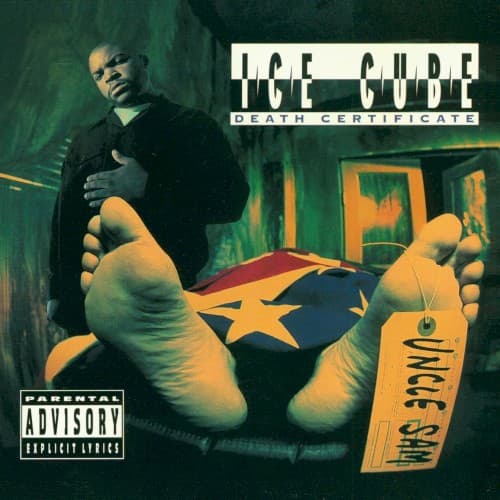
No other rapper has split an album into Life Side and Death Side and actually meant it. Ice Cube built Death Certificate as a literal funeral service for Black America followed by a resurrection manual, complete with organ music and autopsy reports. The structure is not a gimmick — it is the architecture of rage organized into two sermons.
The Death Side buries enemies and traitors. The Life Side prescribes solutions and survival tactics. Between them sits an interlude called "Death" that functions as the valley between casket and crib. This is protest music disguised as gang music disguised as guerrilla journalism.
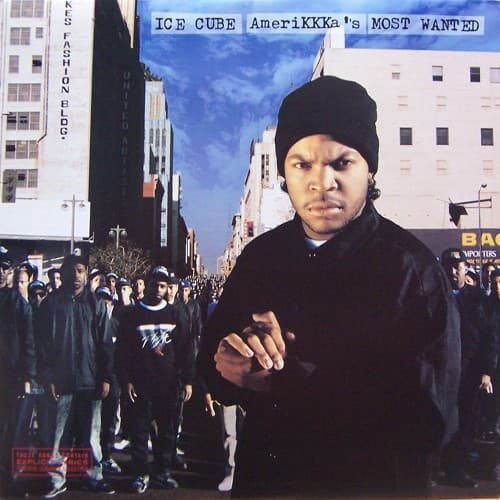
Cube left N.W.A. and recorded AmeriKKKa's Most Wanted in New York with the Bomb Squad. That album proved he could write without Dre. Death Certificate proved he could build an entire world without anyone. He returned to California and assembled a production team — DJ Pooh, Sir Jinx, Bobcat — who understood Los Angeles in a way the Bomb Squad never could.
The sound is stripped-down and claustrophobic. Sparse drums. Single-note bass lines. Samples that feel like evidence presented in court.
Where AmeriKKKa's Most Wanted was dense with noise, Death Certificate is surgical. Every kick drum hits like a judge's gavel.
Why does this album still ignite arguments thirty-five years later? Because Cube does not soften a single blow. He names names. He attacks genres of people.
He uses language that no label would allow today and some stations refused to play then. Controversy is not accidental here — it is the delivery system. The album arrived one month before the Rodney King verdicts would burn Los Angeles to the ground. Cube was not predicting the riots — he was explaining why the match was already lit.
Stripped-Down Funk and Sermons Over Kick Drums
The production on Death Certificate sounds like it was recorded in a church basement after everyone left. DJ Pooh and Sir Jinx build beats with almost nothing — a bass note, a piano stab, a breakbeat chopped to bone. "Steady Mobbin'" rides a single funk guitar lick for three minutes and never gets boring. "A Bird in the Hand" uses a mournful organ loop that sounds like a funeral procession through Compton.
The Bomb Squad gave Cube chaos. His LA team gave him clarity. Every sound has space around it. Every word lands without competition.
Cube's delivery is colder than it was on AmeriKKKa's Most Wanted. He is not performing anger — he is reporting it. His flow is metronomic, almost monotone, which makes the content hit harder. When he threatens violence it sounds like paperwork being filed.
When he preaches solutions it sounds like a teacher who has given up on the school board. The vocal tone never shifts between Death Side and Life Side. That consistency is the point. The man burying America and the man trying to rebuild it are the same person.
Lyrically the album operates on two frequencies. The Death Side is a snitch list and a hit list. Cube goes after Uncle Toms, white supremacists, the LAPD, the Korean store owners he blames for neighborhood tension, and rappers he considers sellouts. Some of these targets are structural — some are specific and ugly.
The Life Side shifts into prescriptive mode — stay in school, support Black businesses, respect Black women, avoid gang life. The whiplash is intentional. Cube wants you uncomfortable. He wants you arguing with him and with yourself.
The sequencing creates narrative momentum that most concept albums fail to achieve. The Death Side builds in intensity until "Death" arrives as a literal coffin lid closing. Then "The Birth" opens the Life Side with a baby crying and a new manifesto. The second half does not erase the first — it offers a way forward for anyone still alive.
But here is the flaw: the Life Side moralizes in ways the Death Side never does. Tracks like "Us" and "Doing Dumb Shit" feel like lectures where the Death Side felt like war dispatches. The imbalance weakens the album's second half without collapsing it. Does the prescriptive tone undermine the raw power of the first half, or does it complete the funeral-to-resurrection concept Cube promised?
The Journey from Morgue to Maternity Ward
The album opens with an organ playing funeral music and a preacher welcoming mourners. You are attending a service before you hear a single bar. That framing device is not subtle, but it works because Cube commits to it completely. The first stretch of the Death Side is relentless — threat after threat delivered with zero humor.
By the time you reach the middle section the tone has shifted from murder to disease, from violence to consequence. The sequencing does not allow you to get comfortable.
The middle section pivots into systemic critique without losing the raw edge. "A Bird in the Hand" examines unemployment with the same intensity Cube applies to street beef. The storytelling remains concrete — no abstractions, no metaphors for oppression. Then an interlude arrives as a sixty-second stretch of flatline beeps and a voice declaring the patient gone.
It is the hinge. Everything that came before is the autopsy. Everything after is the prescription. The Life Side opens with a baby's first breath and immediately the tone changes.
The back half moves faster, lighter, more instructional. But the sequencing weakens here. One track disrupts the momentum with shock value that feels cheap compared to the precision of the Death Side. The closing run recovers with blueprints for survival, but the tonal whiplash between tracks is more jarring on this half.
The album ends with a quiet, almost tender track about Black love — and the contrast with the opening funeral procession is the entire thesis. You traveled from death to life. Whether you believe in the resurrection is your decision.
The Album That Refused to Be Safe
Death Certificate is the second-best album Ice Cube ever made, behind only AmeriKKKa's Most Wanted. It is also the most uncompromising. Where AmeriKKKa's Most Wanted had the Bomb Squad's production to soften the blows, Death Certificate offers no cushion. You are alone with Cube's anger and his prescriptions, and neither one is easy to sit with.
The album aged in strange ways — some critiques feel prophetic, others feel dated and ugly. That discomfort is part of the experience. Cube did not want you nodding along. He wanted you arguing.
Who should listen to this? Anyone studying West Coast rap history, anyone interested in how hip-hop functions as political journalism, anyone who wants to hear an artist refuse every compromise. Who might not enjoy it?
Listeners seeking nuance, anyone uncomfortable with unfiltered rage, anyone expecting hooks and melodies. This is not background music. It demands attention and it will offend you at least once.
Essential tracks to start with: "Steady Mobbin'" for the production, "A Bird in the Hand" for the storytelling, "True to the Game" for the blueprint. If those three tracks work for you, commit to the full album in order — the sequencing is the structure.
Similar albums: Public Enemy's Fear of a Black Planet for the political fury, Scarface's The Diary for the split between violence and reflection, Kendrick Lamar's To Pimp a Butterfly for the concept album ambition. Long-term influence: every West Coast rapper who balanced gang narratives with social critique learned the formula here.
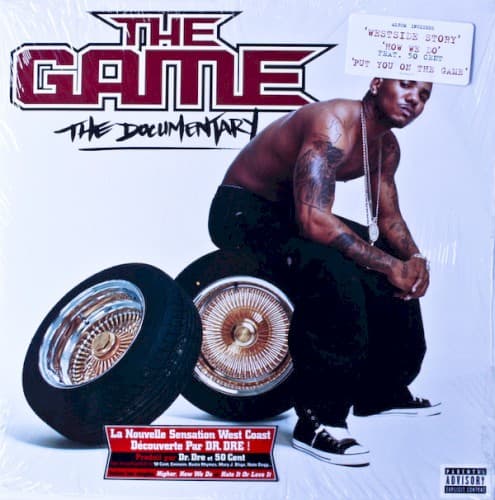
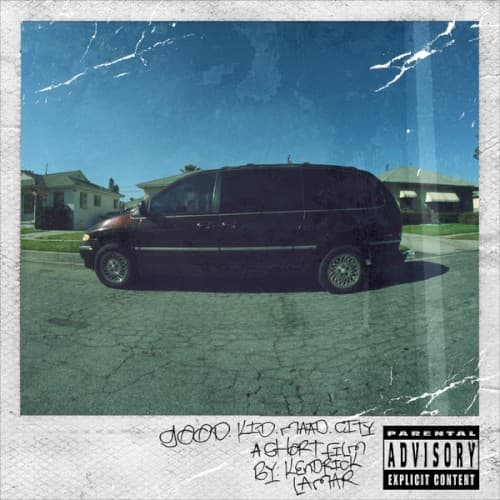
Without Death Certificate there is no good kid, m.A.A.d city, no The Documentary, no Blank Face LP. Cube built the template for the conscious gangsta rapper and nobody has done it more ruthlessly since. Press play and decide whether you can handle the funeral.
Track Listing
The Funeral
●A minute of organ music and a preacher welcoming mourners to a service. No bars, no beats, just context. It sets the tone completely — you are not listening to an album, you are attending a burial. The choice to open with this instead of a banger is a power move. Most rappers in 1991 would have buried this interlude in the tracklist. Cube makes it the front door.
The Wrong Nigga to Fuck Wit
▲The casket opens and Cube steps out swinging. DJ Pooh's beat is nothing but a drum loop and a bass stab, and that emptiness makes every threat land harder. Cube's flow is mechanical, almost robotic, which makes the violence feel inevitable rather than emotional. He is not angry — he is informing you of consequences. The hook is a taunt, the verses are a resume of brutality. This is the mission statement for the Death Side: everyone is a target and nobody gets a pass. The lack of melody or warmth is the point. You are not supposed to enjoy this. You are supposed to believe it.
My Summer Vacation
▲Cube recounts a trip to the South where he linked up with local crews and saw how gang culture spreads beyond California. The production is minimal — a rolling bass line and sparse drums that feel like a car moving through empty highways. The storytelling is concrete: cities named, people described, violence detailed. It is travel journalism from the underworld. The song works because Cube does not glorify the trip — he reports it. The summer vacation is not a vacation. It is a business trip. The bleakness is the hook. No chorus, no release, just dispatch after dispatch. By the end you understand that gang life is not regional anymore. It is franchised.
Steady Mobbin'
▲The best-produced track on the Death Side. Sir Jinx loops a single funk guitar lick and lets it ride for three minutes without ever feeling repetitive. Cube and his crew describe moving through Los Angeles in a car, armed and ready. The song is not about a specific event — it is about the daily routine of being on alert. The verses stack tension without ever releasing it. No shootout happens. No confrontation arrives. The threat is the lifestyle itself, the constant mobbing with no destination. The hook is hypnotic and the beat has more groove than anything else on the Death Side, which makes the content feel even more sinister. This is what it sounds like when violence is boring.
Robin Lench
●Fifty seconds of Cube and his crew robbing a liquor store. No beat, just sound effects — a car pulling up, a door kicked in, a clerk begging, gunshots. It is a skit that works because it is short and visceral. You hear the crime, not a song about the crime. The inclusion is jarring and that is the intent. Between the funk of "Steady Mobbin'" and the sex talk of the next track, Cube drops a felony in real time. It is shock value, but it is efficient shock value.
Givin' Up the Nappy Dug Out
▼The most uncomfortable track on the album. Cube describes manipulating women into sex with zero affection or respect. The language is crude, the perspective is purely transactional, and the content has not aged well. Even in 1991 this felt like a step backward from the political focus of the rest of the Death Side. The beat is funky — a bass line that bounces — but the content undercuts any enjoyment. It is included here as evidence of the Death Side's moral bankruptcy, but it weakens the album's argument. If this is what death looks like, the critique is muddled by misogyny. It is the weakest track on the Death Side and one of the few moments where Cube sounds like he is performing shock rather than reporting truth.
Look Who's Burnin'
▲A graphic, unforgiving portrait of sexually transmitted disease. Cube describes men and women discovering they are infected, and the tone is cold, almost medical. The beat is sparse — just a drum pattern and a piano note that repeats like a hospital monitor. No sympathy, no moralizing until the final lines, just consequences delivered like a diagnosis. The song works because it refuses to soften the imagery. It is public health education disguised as a diss track, and the visceral detail makes it more effective than any after-school special. By the end the message is clear: promiscuity has a bill and Cube is the collections agent. It is brutal and effective.
A Bird in the Hand
▲The best storytelling on the album. Cube narrates the life of a young Black man trying to escape poverty through education, only to find that the system is rigged at every level. The production is mournful — an organ loop that sounds like a church procession — and the verses are structured like a parable. First verse: high school dropout pushed out by a racist teacher. Second verse: college graduate unable to find work. Third verse: turn to crime as the only viable option. The sequencing is airtight and the conclusion is devastating. No escape exists within the system, so the system must be rejected. It is protest music disguised as a cautionary tale, and the organ gives it a funeral weight that makes every bar land heavier.
Man's Best Friend
●A song about why Cube carries a gun instead of trusting the police. The production is eerie — a creeping bass line and a horror movie piano stab — and the verses are structured as a rebuttal to gun control advocates. Cube argues that the Second Amendment belongs to him too, and that police response times in Black neighborhoods make self-defense necessary. The content is provocative and the argument is coherent, but the song drags slightly in the third verse. The point is made by the second chorus. Still, the production carries it and the hook is memorable. It is the Death Side's clearest statement on institutional failure: if the police will not protect you, you protect yourself.
Alive on Arrival
▲Cube describes a medical emergency where a Black patient is ignored by hospital staff until it is too late. The storytelling is specific — the wait, the dismissive nurses, the slow deterioration — and the production is cold and clinical. A kick drum like a heartbeat, a bass line like a flatline warning. The song works because it does not exaggerate. Cube describes a scenario that happened in South Central emergency rooms regularly. The final verse reveals the patient dies, and the tone never shifts from reportage to rage. The anger is in the facts, not the delivery. It is healthcare critique delivered with the same intensity Cube uses for gang narratives, and it closes the Death Side's systemic critiques with brutal efficiency.
Death
●Sixty seconds of flatline beeps and a voice declaring the patient dead. No music, no bars, just the sound of a body giving out. It is the coffin lid closing. Everything before this moment was the autopsy. Everything after is the birth. The interlude works because it is final — no fade out, no ambiguity. You heard the death. Now you wait for what comes next.
The Birth
●A baby cries, a heartbeat thumps, and Cube announces the Life Side has begun. The production is brighter — a piano melody that feels hopeful compared to the Death Side's minor-key dread. Cube's tone does not change but the content does. He is no longer listing enemies. He is listing solutions. The song is short and functions as a mission statement for the second half: the death happened, now here is the resurrection manual. The transition works structurally, but the tonal whiplash is jarring. The baby crying feels heavy-handed compared to the subtlety of "The Funeral." Still, it resets the album and signals that the second half will operate under different rules.
I Wanna Kill Sam
▲Cube rewrites "Uncle Sam" as a slave owner and modern oppressor, then fantasizes about revolution. The beat is aggressive — a military snare and a bass line that marches — and the verses are a bill of grievances against the U.S. government. Taxation, incarceration, miseducation, all presented as forms of ongoing slavery. The hook is a chant, almost a protest slogan, and the song is designed to be shouted in a crowd. It is the Life Side's most confrontational moment, and it lands because Cube does not hide behind metaphor. He names the enemy and describes the fight. The production could be harder — the beat feels slightly too polished for the content — but the message is clear.
Horny Lil' Devil
▼The worst track on the album. Cube describes a sexual encounter with a white woman and frames it as revenge for centuries of oppression. The concept is provocative but the execution is cheap. The beat is funky but the content is pure shock value with no deeper insight. It disrupts the momentum of the Life Side and undermines the prescriptive tone Cube established with "The Birth." Where the Death Side's ugliness felt intentional, this feels like a button-push for attention. It is the only track that feels unnecessary, and its placement in the Life Side is baffling. If this is part of the solution, the solution is incoherent.
True to the Game
▲A blueprint for staying authentic in the rap industry. Cube describes the pressures to soften content, chase pop success, and abandon the streets that made you. The beat is smooth — a rolling bass line and a jazz piano sample — and the verses are structured as advice to younger rappers. Stay independent, own your masters, do not let labels control your message. It is the Life Side's clearest mission statement, and it works because Cube is speaking from experience. He left N.W.A., fought Priority Records, and built his own infrastructure. The song is not theoretical. It is a manual. The hook is simple and the message is timeless: the game will try to change you, and survival depends on saying no.
Color Blind
▲Cube argues for unity across racial lines while acknowledging the difficulty of achieving it. The production is mellow — a jazz sample and a shuffling drum pattern — and the tone is more reflective than preachy. He describes alliances with Chicano gangs, poor white communities, and other marginalized groups, but he does not pretend the unity is easy or inevitable. The nuance is rare for an album this confrontational. The song works because Cube does not demand agreement — he suggests a possibility. It is one of the few moments on Death Certificate where the anger pauses long enough for strategy to emerge. Not the strongest beat on the album, but the clearest thinking.
Doing Dumb Shit
●A lecture to young gang members about avoiding stupid decisions. The beat is bouncy and the hook is catchy, but the content is pure sermon. Cube lists behaviors — robbing in your own neighborhood, fighting over colors, disrespecting elders — and explains why they are self-destructive. It is the Life Side's most paternalistic moment, and it feels like an after-school special compared to the Death Side's raw edge. The song is not bad, but it is slight. The advice is sound but the delivery is too soft for an album this confrontational. It works as a cool-down before the closing track, but it does not stand alone.
Us
▲A quiet, tender track about Black love and partnership. The production is minimal — a piano melody and a soft drum pattern — and Cube's tone is gentler than anywhere else on the album. He describes building a relationship, supporting each other, raising children together. No threats, no anger, no enemies. It is the only song on Death Certificate where Cube sounds vulnerable, and the contrast with the rest of the album is the entire point. After forty minutes of death and resurrection, the final word is intimacy. The placement is perfect. You attended a funeral, witnessed a birth, and now you are standing in a home. The revolution is not just fought in the streets. It is built in the bedroom and the kitchen. The album ends here, and the silence after the final note is the answer to the funeral that opened it.