The scorecard
6.4/10 · Mixed
- Writing25%
- 6.0
- Production25%
- 7.5
- Delivery15%
- 6.5
- Cohesion15%
- 5.5
- Originality10%
- 7.0
- Replay value10%
- 5.5
Social commentary attempts on BUFFALO and RUN feel unfinished; strongest when Tyler drops the message and writes personal, as on FUCKING YOUNG's uncomfortable attraction.
Ambitious, often thrilling: 2SEATER's orchestral strings and DEATHCAMP's N.E.R.D homage land, but intentional blown-out mixing on CHERRY BOMB and BUFFALO sabotages the arrangements underneath.
Tyler's rapping is spotty across the album; Lil Wayne and Kanye on SMUCKERS show what focused verses sound like, while Tyler often gets swallowed by his own production choices.
The jazz smoothness of FIND YOUR WINGS and OKAGA, CA fights the drill-and-bass chaos of the title track with no transition; sequencing lurches between moods with no earned arc.
The blown-out industrial aggression and multi-part song structures break from Wolf's narrative focus, though the N.E.R.D and Death Grips influence is conspicuous throughout.
The abrasive mixing on key tracks limits full-album returns, though the softer material like SMUCKERS and OKAGA, CA holds up well enough to balance the unfinished song ideas.
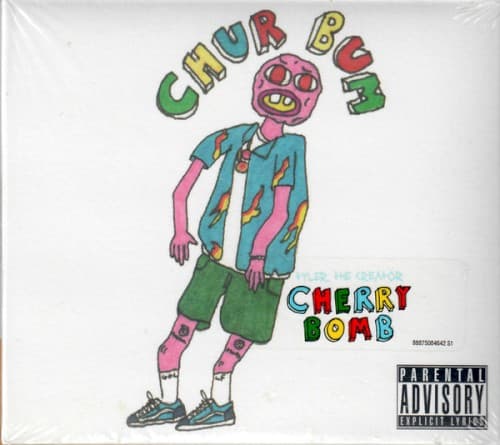
Tyler, The Creator Cherry Bomb — The Album Where Ambition Outran Craft
Cherry Bomb is the sound of Tyler, The Creator deciding what he wants to be before he has figured out how to get there. The album announces itself with DEATHCAMP, a Pharrell homage so direct Tyler namedrops In Search Of in the first verse, then spends the next hour ricocheting between jazz-lounge smoothness and intentionally blown-out aggression with no center to hold them together. The thesis arrives early: Tyler wanted to make the music he had always heard in his head, production that sounded like nothing in his catalog and rapping that tackled bigger subjects than the shock provocation of Goblin or the narrative focus of Wolf. What he delivered was a transitional album, one where the production leaps forward in ambition while the writing and sequencing lag behind, unable to support the new structures he built.
The stakes in 2015 were real. Odd Future was dissolving, Tyler was facing accusations of homophobia and immaturity, and the lane he had carved with his early records was closing. Cherry Bomb was his attempt to prove he could do more: hire an orchestra, work with Kanye and Lil Wayne, write about consumerism and gang culture instead of rape and murder fantasies. The problem is that proof of ambition and proof of achievement are different things.
When the production works, as on the lush strings of 2SEATER or the warm soul of OKAGA, CA, it is easy to hear the album Tyler wanted to make. When it does not, as on the title track's unlistenable distortion or BUFFALO's confrontational mixing, it is easier to hear an artist testing ideas in public that should have stayed in the studio. The album sold 51,000 copies in its first week and debuted at number four, respectable numbers that could not hide the critical consensus: this was a mess with flashes of brilliance, not a finished statement.
The Sound of Transition: When Production Outpaces Purpose
Tyler produced every track himself, with Mike Einziger adding guitar on DEATHCAMP and 2SEATER, and the production is where the album lives. The opening run makes the ambition clear: DEATHCAMP pairs crunchy guitars with a four-count Neptunes intro and Tyler rapping about how Pharrell's debut did more for him than Illmatic, a line that doubles as manifesto and apology. BUFFALO samples Bunny Sigler and buries the groove under distortion so harsh it feels like a dare. PILOT builds a loping beat around Syd's hazy hook, while RUN records Tyler and Schoolboy Q in a living room over Chaz Bundick's guitar chords, capturing a loose vibe the rest of the album rarely attempts. FIND YOUR WINGS strips back to jazz flute and Roy Ayers vibes with Kali Uchis drifting across the chorus, smooth enough to work on a playlist next to Flower Boy.
Then the title track arrives and blows the speakers. CHERRY BOMB is drill-and-bass chaos: muted trumpets, xylophones, crunching guitars and compression that makes every element fight for space. Tyler described it as the music he always wanted to make, but wanting to make something and making it well are not the same. The distortion is intentional, a choice meant to sound like Death Grips or Atari Teenage Riot, but it buries the arrangement so completely that the song becomes unlistenable on repeat. The same problem sinks BUFFALO, where the Bunny Sigler sample and Tyler's flow are interesting ideas rendered inaudible by the mix. The aggression feels imported from other artists rather than earned by the material: Tyler is reaching for industrial hip-hop without the writing or delivery to justify it.
The softer material lands more consistently. 2SEATER features a string section Tyler composed and recorded at Hans Zimmer's studio, his first time overseeing a live orchestra, and the arrangement works because it serves a song structure that holds together. FUCKING YOUNG pairs Charlie Wilson's sleazy sixties hook with uncomfortable lyrics about attraction to someone six years younger, the kind of personal writing Tyler does better than message raps. OKAGA, CA closes the album with six minutes of Leon Ware soul and Alice Smith vocals, a glimpse of the warmth Tyler would master on Flower Boy. SMUCKERS brings in Lil Wayne and Kanye, and both write circles around Tyler: Kanye rewrote his verse after hearing the other two, and it shows in how focused his bars are compared to Tyler's unfocused rambling.
The production shows growth, but the sequencing does not. The album lurches from the drill-and-bass chaos of CHERRY BOMB to the soul of FIND YOUR WINGS with no transition, from the aggression of BUFFALO to the bedroom intimacy of RUN with no logic. Tyler wanted to make a Stevie Wonder album, but Stevie's records flow; Cherry Bomb is a collection of ideas with no through-line. The multi-part song titles and hidden tracks (HAIR BLOWS tucked inside 2SEATER, SPECIAL following THE BROWN STAINS OF DARKEESE LATIFAH PART 6-12) suggest ambition toward a suite structure, but the songs do not connect. Length becomes a problem: at 46 minutes the album is not overlong, but the lack of focus makes it feel longer, and the listener is left wondering which of these ideas Tyler will finish on the next record.
An Album in Parts That Never Becomes a Whole
Cherry Bomb has no arc because it has no thesis beyond experimentation. The opening three tracks set up a jagged, aggressive sound, then the fourth song arrives and the album pivots to soul without earning the turn. The title track is sequenced as the centerpiece, but it is so abrasive that it functions as a wall rather than a peak, dividing the album into before and after without connecting them. The second half opens with a skit-short and an endless slow jam, then tries to recover momentum with the album's clear standout, only to sag again on the following track where the guest hook feels like a leftover.
The closing stretch works because it finally commits to a mood and stays there for six minutes, but by then the album has tested the listener's patience too many times. The pacing suffers because Tyler is trying to do everything at once: industrial aggression, jazz interludes, pop hooks, social commentary, and lovestruck confessions, all in 46 minutes with no room to develop any of them. The result is an album that never peaks because it never builds; each song is its own idea, some of which work and some of which do not, but none of which add up to a statement. The blown-out mixing choice means the aggressive tracks are exhausting rather than energizing, and the smooth tracks feel like they are from a different album.
The Turning Point Tyler Had to Make but Did Not Stick
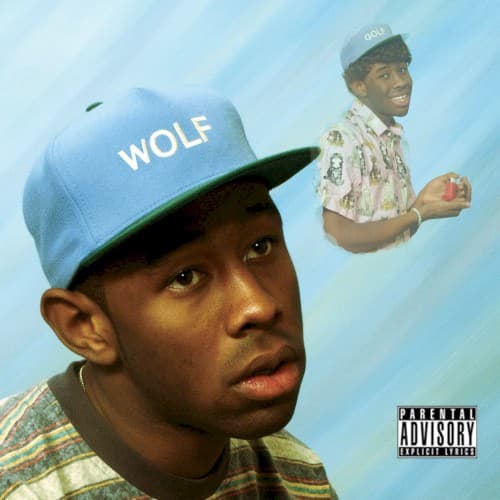
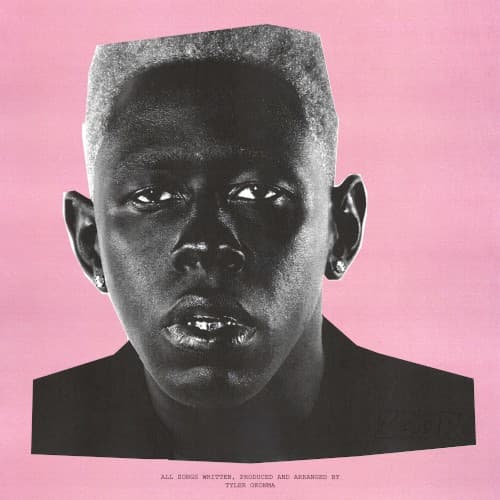
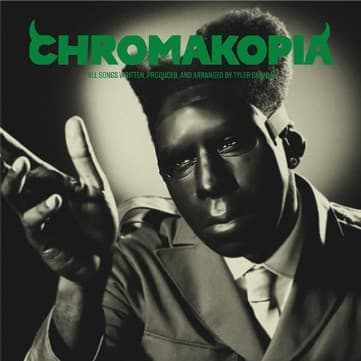
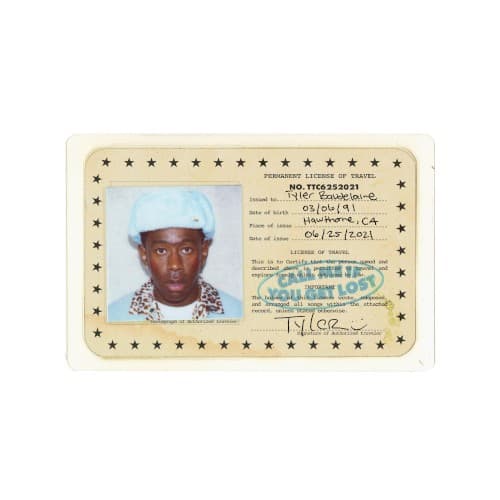
Cherry Bomb ranks near the bottom of Tyler's catalog, below Chromakopia, Flower Boy, IGOR and CALL ME IF YOU GET LOST, roughly level with Wolf and above only Goblin. It is the album where Tyler tried to become a different artist and only partially succeeded, an experiment that proved what did not work more than what did. The production shows real growth, particularly the orchestral work on 2SEATER and the soul arrangements that would define Flower Boy two years later, but the writing is unfocused and the sequencing is scattershot. The aggressive tracks do not hold up because the blown-out mixing makes them unlistenable on repeat, and the softer tracks are undermined by their placement next to chaos.
This album is for Tyler fans who want to hear him reach beyond his early sound and for listeners who value ambition over execution. Skip it if you want a finished statement; Cherry Bomb is a transitional record, interesting as a document of an artist in motion but not satisfying as a listening experience. The critical consensus called it cluttered and chaotic but noted the bravery in the choices, and that is exactly right: Tyler made bold moves here, but bold moves do not always land.
Start with SMUCKERS, which is the only track that sounds like a completed idea, then move to OKAGA, CA to hear where Tyler was headed. If those land, try FIND YOUR WINGS and 2SEATER for the softer side and DEATHCAMP for the Pharrell homage. Skip the title track entirely unless you are curious how far Tyler pushed the blown-out aesthetic, and do not expect the album to cohere as a sequence. After this, go straight to Flower Boy, which takes the warmth and jazz influences of Cherry Bomb's best moments and builds an entire album around them. IGOR follows a similar pattern, taking the multi-part song structures and chaotic energy of Cherry Bomb and focusing them into something cohesive. Cherry Bomb is the bridge between the provocateur of Goblin and the auteur of Flower Boy, and it sounds like it: half-formed, overreaching, and absolutely necessary for Tyler to have made even if it is not necessary for most listeners to return to.
Track by track
Track Listing
DEATHCAMP
StandoutThe album's strongest opener and clearest statement of intent. Tyler builds a Neptunes homage so direct he namedrops In Search Of in the first verse, pairs it with crunchy guitars courtesy of Incubus's Mike Einziger, and delivers his most confident rapping on the album. The four-count intro is lifted straight from Pharrell's playbook, and the comparison to N.E.R.D's Lapdance is unavoidable, but Tyler earns the reference by making it the foundation rather than a gimmick. Cole Alexander's uncredited work on the track adds texture without cluttering the mix. The only weak moment is Tyler's attempt at social commentary in the second verse, which feels surface-level compared to the personal intensity of his delivery on the first. As an argument for why Tyler wanted to move beyond his early sound, DEATHCAMP works completely.
BUFFALO
WeakThe blown-out mixing choice that defines the album's failures. Tyler samples Bunny Sigler's Shake Your Booty, builds a solid groove underneath, then buries the entire track under distortion so harsh it becomes a chore to listen to. The verse where he replaces a slur with the word "book" to mock critics is clever on paper, but the joke gets lost in the mix. Shane Powers adds uncredited vocals that are inaudible. This is an idea that might have worked with a different production approach, but as executed it is an endurance test that most listeners will skip after the first playthrough.
PILOT
SolidA loping, hazy interlude built around Syd's hook and a beat that feels half-finished. Tyler's verse is short and unfocused, and the track functions more as a bridge between BUFFALO and RUN than as a standalone song. The laid-back vibe is welcome after the aggression of the opening two tracks, but the song does not develop its ideas or earn its three-and-a-half-minute runtime.
RUN
StandoutRecorded in Tyler's living room with Schoolboy Q, this 69-second sketch captures a loose, collaborative energy the rest of the album rarely attempts. Chaz Bundick's guitar chords give the track a bedroom-recording intimacy, and Q's presence adds weight even though his contribution is minimal. The brevity works in its favor; this is a vibe, not a song, and it does not overstay. The harmonic vocals from Bundick layer nicely over the guitar. As an interlude it succeeds, but it also highlights how few moments on Cherry Bomb feel this unforced.
FIND YOUR WINGS
StandoutThe album's smoothest, most fully realized track. Roy Ayers vibes, jazz flute, and Kali Uchis floating across the chorus make this sound like a Flower Boy demo two years early. Tyler's production is confident and restrained, letting the arrangement breathe instead of burying it under distortion. The writing is minimal, more mood than message, and that works; Tyler is better at creating atmosphere than delivering social commentary, and this track proves it. Syd and Jameel Kirk Bruner add vocals that blend into the mix without demanding attention. The only issue is placement: dropping this after the aggression of BUFFALO and the chaos of PILOT creates whiplash, and the album never recovers its sequencing after this pivot.
CHERRY BOMB
WeakThe album's centerpiece and its biggest miscalculation. Tyler throws muted trumpets, xylophones, crunching guitars, and drill-and-bass compression into a blender and expects the chaos to cohere. It does not. The arrangement underneath might be interesting, but the intentional distortion makes it impossible to hear; the mix is so blown-out that the song becomes unlistenable after the first playthrough. Tyler described this as the music he always wanted to make, and that may be true, but wanting to make something does not mean it works. The Death Grips and Atari Teenage Riot comparisons are apt, but those groups earn their aggression with writing and delivery that justify the production. Tyler's verse here is unfocused and swallowed by the mix. As a statement of ambition this is bold; as a song it fails.
BLOW MY LOAD
SolidA three-minute interlude that goes nowhere. Wanya Morris and Dâm-Funk add vocals over a minimal beat, and Tyler's verse is slight. The track feels like a sketch that was not developed into a full song, and its placement after the chaos of CHERRY BOMB makes it feel like filler. Harmless but unnecessary.
2SEATER / HAIR BLOWS
StandoutThe album's most ambitious production and a glimpse of the arranger Tyler would become on IGOR. The string section Tyler composed and recorded at Hans Zimmer's studio is lush and cinematic, and the arrangement serves a song structure that actually holds together. The first half is a love song with enough vulnerability to land, and the hidden track HAIR BLOWS featuring Austin Feinstein and Syd drifts along on the same strings without adding much. At nearly seven minutes the track tests patience, and the structure could have been tightened, but this is the rare moment on Cherry Bomb where Tyler's ambition and his execution align. The strings prove he can work with live musicians and compose for them, a skill that will pay off on later albums.
THE BROWN STAINS OF DARKEESE LATIFAH PART 6–12 (REMIX) / SPECIAL
SolidThe title is longer than the song needs to be, a joke that Tyler explained in interviews as "the blackest name we could think of." The first part features Schoolboy Q and a cadence that mimics Pharrell, but the song is slight and underdeveloped. The hidden track SPECIAL adds another minute of noodling that does not justify its existence. This feels like a leftover from the album sessions that made it onto the tracklist because Tyler liked the title joke more than the song itself.
FUCKING YOUNG / PERFECT
SolidThe album's most uncomfortable and most honest track. Tyler writes about attraction to someone six years younger, and the lyrics do not flinch from how creepy that is; the tension between the warm Charlie Wilson hook and the predatory subject matter is intentional and queasy. The first half is sleazy sixties pop that Chaz Bundick's guitar chords soften, and the second half pivots to a love song featuring Kali Uchis and Syd that never resolves the first half's discomfort. At nearly seven minutes the track is too long, and the two-part structure does not quite cohere, but this is the kind of personal writing Tyler does better than the message raps on BUFFALO or RUN. The warmth of the production and the ugliness of the subject create a friction that makes the song compelling even when it is not pleasant.
SMUCKERS
StandoutThe album's clear standout and the only track that sounds like a finished idea. Tyler samples Gabriele Ducros's Metropolis Notte, builds a traditional rap song structure with three verses and no gimmicks, then brings in Lil Wayne and Kanye West and watches them write circles around him. Wayne's verse is focused and strange in the way only Wayne can be, and Kanye rewrote his lines after hearing the other two, which shows; his verse is sharp and specific where Tyler's is unfocused. The beat is clean, the hook works, and the sequencing within the song makes sense. This is the template Tyler should have followed for the rest of the album: ambition in service of song structure, not ambition instead of it. If Cherry Bomb had five more tracks like this it would be a great album; as it stands, SMUCKERS is the one song most listeners will return to.
KEEP DA O’S
SolidPharrell shows up for a hook that feels like a leftover from a session neither artist wanted to finish. The beat is minimal, Coco O adds vocals that blend into the background, and Tyler's verse is slight. The sample of I Only Have Eyes for You adds some texture, but the song does not develop its ideas or justify its four-minute runtime. After the high of SMUCKERS this feels like a comedown, and the album never recovers momentum.
OKAGA, CA
StandoutThe album's best closer and a preview of the soul-drenched sound Tyler would perfect on Flower Boy. Leon Ware, Alice Smith, and Clem Creevy layer vocals over lush production that finally commits to a mood and stays there for six minutes. Tyler's verse is minimal, more about creating atmosphere than delivering bars, and that works; this is a vibe, not a statement, and the production is confident enough to let the arrangement breathe. The strings and keyboards are warm without being saccharine, and the song earns its length by developing its ideas instead of repeating them. As a closing statement this works because it offers a vision of what Tyler could do if he focused his ambition on cohesion instead of chaos. After 40 minutes of lurching between moods, OKAGA, CA is the first track that sounds like Tyler knows exactly what he wants and how to get there.
YELLOW
SolidThe physical-copy bonus track, and it is easy to hear why Tyler left it off the standard edition. Kali Uchis adds vocals to a slight, jazzy interlude that does not develop its ideas. Pleasant but inessential, and the album is stronger without it.
Frequently Asked Questions
Is Tyler the Creator Cherry Bomb worth listening to?
What is the best song on Cherry Bomb?
Why does Cherry Bomb sound so distorted?
How does Cherry Bomb compare to Tyler's other albums?
Styles