The scorecard
7.3/10 · Good
- Writing25%
- 7.5
- Production25%
- 7.5
- Delivery15%
- 7.0
- Cohesion15%
- 7.0
- Originality10%
- 7.0
- Replay value10%
- 7.0
Wale packs wordplay and social observation into nearly every verse with real wit, though a few songs state their themes in the hook more than they need to after the verses already landed them.
The mix of a go-go rendition on Pretty Girls, a Tribe Called Quest flip on World Tour and a Yann Tiersen sample on Diary gives the record a distinct, curious palette.
His clipped, talky flow is distinctive and agile, though it can turn stiff and over-enunciated when the hook asks for something warmer.
At fourteen tracks the album stays tight and varied, but the mid-section of soft-focus love songs blurs together after the opening run.
A debut that builds from Washington, D.C. go-go, Native Tongues-style curiosity and pop crossovers, though the pieces had mostly been tried separately by earlier rappers.
The singles and the best stretches hold up well, and the closing third recovers enough to leave a clear impression even if the middle sags on repeat.
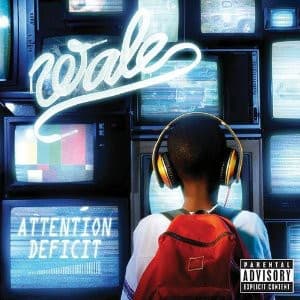
Wale Attention Deficit: A Debut Torn Between D.C. and the Radio
Attention Deficit is a better argument for Wale than it is a finished album. It arrives in 2009 with an unusual set of influences: a go-go rhythm from his hometown, a Tribe Called Quest flip, a pop single with Lady Gaga, and a flow that sounds like it is trying to out-think the beat. That mix makes it one of the more interesting major-label rap debuts of its moment, and it also explains why it never quite settles.
My claim is that the record works best when Wale lets the regional and the bookish sides of his style argue with each other, and works least when he chases a single smooth enough for a mainstream hook. The best songs here sound like a rapper from D.C. who has studied the Native Tongues generation, who knows his city's go-go tradition and who refuses to pick one lane. The weaker ones sound like that same rapper being asked to smooth himself over.
The context matters. Wale was not the first rapper to try blending hip-hop, alternative sensibility and regional pride, and the album sits in a line that runs from A Tribe Called Quest through the early Kanye West era. What he adds is a Mid-Atlantic accent that rap had mostly ignored, and a preference for talking through ideas instead of simply stacking punchlines. It debuted at number 21 on the Billboard 200 with 28,000 copies in its first week, a modest start that the record's reputation outgrew.
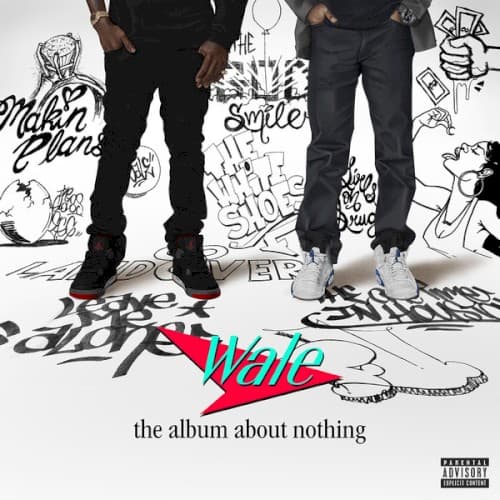
Compared to the later The Album About Nothing, this debut is messier and more eager, and I find it slightly more rewarding for that reason. Attention Deficit is the sound of Wale discovering how many voices he can use. It does not always choose the best one, but it is rarely boring.
Go-Go Percussion, Tribe Flips and a Pop Hook Problem
The album's palette is its best asset. The fact sheet lists producers including Mark Ronson, Cool & Dre, the Neptunes, J.U.S.T.I.C.E. League and David Sitek, and that range shows up in the sound: some songs are bright and bouncy, others are moody and indie-leaning, and a few lean on live-sounding instrumentation. A go-go rendition of an old soul song anchors Pretty Girls, a rare case of a regional sound getting a national hearing without being flattened. The Tribe sample under World Tour makes the lineage explicit, with Wale quietly stepping into a tradition of rappers who treat travel and fame as a puzzle.
Writing is where the album is both strongest and most frustrating. Wale is a dense lyricist who likes social observation, from color politics to fame, and he stacks references with a student's enthusiasm. When a verse lands, the effect is of someone thinking out loud with real wit. When it does not, the lines read as clever without being memorable, and several songs make the same point in the hook that the verses already made. The hook problem is the album's biggest weakness: where the beat asks for melody, his delivery turns careful and stiff, and the choruses feel borrowed from other people's records.
Guests are used well. Lady Gaga, Gucci Mane, Jazmine Sullivan and J. Cole each get a distinct role, and none of them overshadows the host. Gucci Mane's presence, in particular, is a smart bit of casting, putting an Atlanta voice against the Washington, D.C. bounce to see what survives. The guests help the pacing more than they define the songs, which is a sign that the record is built around Wale's voice.
Delivery rewards attention. Wale's flow is conversational and a little clipped, with a habit of lingering on the end of a line before snapping into the next. It gives his best verses a funny, self-aware cadence. It also means that on slower tracks he sounds like he is performing a thought instead of living it. The mix tends to polish him a bit more than necessary, and a rougher texture might have helped.
What holds the record together is curiosity. Even when a song does not fully work, there is a clear sense of what it was trying to do and which tradition it was borrowing from. That honesty is rare in a major-label debut, and it is the reason the album has been easier to defend than to dismiss.
Fast Start, Soft Middle, Honest Finish
The sequencing is smarter than the album's reputation suggests. It opens with a statement of ambition, moves quickly into a run of confident, rhythmic songs, and gets its two biggest ideas out of the way before the listener has time to check the clock. For about the first third, the pace feels like a rapper with a plan, and the transitions are tight enough that the record gets real momentum.
The middle is where the album sags. A run of songs about women, relationships and fame leans on the same soft-focus palette, and the tempo drops without the writing finding a new angle. Here the fourteen-track length feels slightly too long, even though the runtime is modest. A reshuffle that spread the singles more evenly through the back half would have helped, because the best material clusters near the start.
The closing stretch recovers. The tone turns reflective, the samples get more personal, and Wale lets his voice breathe instead of chasing a hook. That choice gives the album a better ending than most debuts of its era, and it leaves the listener with a clearer sense of who he is than the singles do.
Overall, the arc is earned more than it is perfect. It starts with a plan, loses its grip for a few songs, then comes back with a sharper focus. Most listeners will find that the high points are clustered at the edges, and that is a perfectly acceptable shape for a first album. If you want the best version, play the opening and closing thirds and treat the middle as optional.
A Debut Worth Defending, With Notes
Attention Deficit sits just ahead of The Album About Nothing in the Wale catalog, and I think that ranking is correct even though the later record is cleaner. The debut has the better ideas, the stronger sense of place and a looser, more surprised energy. At 7.1, the score reflects an album with real vision, real highs and a handful of songs that do not justify their space. Critics at the time were generally favorable, with a Metacritic average of 77, and that reception feels fair if a little generous on the pop-leaning material.
It is for listeners who like rappers who write with an eye on lineage, and for anyone curious about how go-go, indie-leaning production and Native Tongues influence can sit inside a major-label record. It is also for people who want a document of rap in 2009, when regional sounds were being pulled toward the center. Skip it if you want a single, consistent mood, or if you need hooks to carry a record. The melodic ambitions are the least convincing part.
The album has aged better than its numbers suggested. It sold modestly at first and passed 200,000 copies in the United States by November 2011, and its best songs now sound like an early draft of a style that more rappers adopted. The weaker material has aged less well, mostly because the hooks sounded dated quickly.
Start with Pretty Girls, World Tour and Diary. Together they show the go-go bounce, the Tribe lineage and the more personal side of the record in about twelve minutes. If you want to hear where the lineage comes from, go back to A Tribe Called Quest, or move forward to J. Cole for another rapper who writes in the same talky, reflective mode. The record leaves you with one clear impression: Wale arrived with more ideas than the format could hold, and the best of them are still worth the trip.
Track by track
Track Listing
Triumph
StandoutA confident opening statement that sets out the album's ambition. It establishes Wale's talky flow and gives the record a strong first impression, even if it is more mood than substance.
Mama Told Me
StandoutBuilt on a Kool and the Gang sample, this is warm, relaxed and well-paced. It shows Wale at his most natural, riding a soulful loop without forcing a hook.
Mirrors
SolidA reflective track that leans on image and self-scrutiny. The idea is sound, but the writing explains more than it shows, and it is one of the places where the delivery gets too careful.
Pretty Girls
StandoutThe third single is the album's most distinctive moment. Backyard Band's go-go rendition of an old soul song anchors it, Gucci Mane and Weensey of Backyard Band guest, and the percussion carries the track with a strut that no pop-leaning song on the record can match. It is a rare case where a regional sound enters a national conversation intact, and it works as both a party record and a statement of where Wale comes from. The hook is simple and sticky, and Wale's verses ride the groove without trying to outsmart it. If you play one song to explain the album's local identity, this is it.
World Tour
StandoutJazmine Sullivan joins a track that samples A Tribe Called Quest's Award Tour, making the lineage explicit. Wale takes a travel-and-fame theme and treats it like a puzzle, with a loose, conversational flow that suits the Tribe groove. The hook is smooth without being forgettable, and the sample choice shows that he understood what he was borrowing. It is a high point for both the writing and the production, and it earns its place as a single.
Let It Loose
SolidA mid-tempo cut that keeps the pace without adding much. It is competent and easy to skip.
90210
SolidA cut about glamour and distance that works as a sidestep from the heavier themes. The beat is polished and the verses are fine, though it blends into the middle stretch.
Shades
StandoutOne of the album's more pointed pieces of social writing, where Wale uses his analytical streak to take on color and perception. The idea is strong and the performance is committed, even if the delivery is a little stiff. It is more interesting than it is enjoyable, and it earns its length through its subject.
Chillin’
SolidThe lead single, with Lady Gaga, built around a sample of the old Steam hit that supplies its hook. It reached number 12 on the UK Singles Chart, Wale's highest-charting single there, and the cheerful, singalong mood is a deliberate contrast to the heavier writing elsewhere. It is a perfectly good pop-rap song and a smart introduction to a wider audience, but it is also the clearest example of the album smoothing itself for the radio. Gaga's hook is memorable, Wale's verses are lively, and the track sits slightly apart from the rest of the record in tone.
TV in the Radio
StandoutA brisk, playful cut with a stylish edge. It gives the second half a lift and uses Wale's clipped flow effectively.
Contemplate
StandoutBuilt on a sample from a Rihanna album track, this is a moody, introspective turn that benefits from restraint. It is one of the quieter songs on the record and one of the more honest.
Diary
StandoutA sample of Yann Tiersen's La Valse d'Amelie gives this track a delicate, wistful mood that is unusual for rap in 2009. The sample choice is the song's strongest idea, and Wale responds with a more personal, vulnerable verse than most of the album allows. It is a clear sign of the more reflective artist he wanted to become, and one of the best arguments for the record's second half. It could have been a bigger moment with a stronger hook, but the atmosphere does most of the work.
Beautiful Bliss
StandoutA track that samples The Spinners and a Lupe Fiasco song, tying two eras together. It is smooth and well-built, with a sense of closure that suits the album's last stretch.
Prescription
SolidA closing track with an interpolated sample of Dave Grusin's Modaji. The mood is reflective and the production is more adventurous than the average closer, though the song fades out without a strong final statement.
Frequently Asked Questions
Is Wale's Attention Deficit a good album?
What are the best songs on Attention Deficit?
How did Attention Deficit perform commercially?
Styles