Young Thug JEFFERY — The Dress That Made Everyone Miss the Point
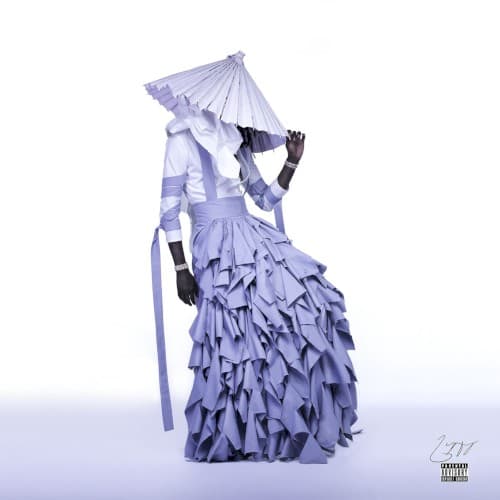
Put a man in a dress on the cover and watch everyone forget to talk about the music. The Alessandro Trincone gown became the headline, the think pieces rolled out, and somewhere underneath all the discourse sat ten tracks that proved Young Thug had evolved past every other trap artist working in 2016. This was not a stunt. This was an artist at the absolute peak of his vocal powers, riding production that sounded like nothing else on Atlanta radio, naming every track after someone famous just to make it clear he belonged in that company.
The mixtape arrived during Thug's most chaotic creative period. He had burned through label situations, shelved Hy!£UN35, and seemed determined to flood the market with music before anyone could stop him. But where most artists spiral into inconsistency during chaos, Thug locked in. Every producer brought their A-game.
Every hook hit. Every verse contained at least three moments where his voice did something that should not be physically possible. Was this his best project?
That is still the fight. But it might be his most complete. No filler, no obvious commercial compromise, no guests stealing momentum. Just Thug across ten tracks, singing and rapping in frequencies most human beings cannot access, proving that the future of trap music had nothing to do with staying in your lane.
When Atlanta Trap Learned to Sing
The production here operates in a different dimension than the metro-boomin-boom-bap that dominated 2016 trap. Wheezy, London on da Track, and TM88 built beats that breathe and shimmer, leaving space for Thug's voice to behave like a lead instrument rather than a percussive element. The piano melodies on Wyclef Jean sound nearly classical. The synth warble on RiRi feels like it is melting in real time.
The bass does not just knock — it moves, slides, creates pockets for Thug to slip into and out of without warning.
Lyrical content takes a backseat to vocal performance, which is the entire point. Thug is not here to tell linear stories or drop quotables for Twitter. He is chasing melody, texture, cadence shifts that turn his voice into an instrument. When he stretches a syllable across four beats or collapses three words into one, he is not showing off.
He is solving problems in real time, finding new ways to ride production that refuses to sit still. The ad-libs function as harmony. The hooks blur the line between singing and rapping until the distinction stops mattering.
But is the project perfect? The back half loses some momentum. A few tracks feel like sketches that could have used another pass.
And Thug's refusal to explain himself — lyrically, sonically, visually — means casual listeners bounce off this without ever understanding what they are hearing. This is not an accessible record. It rewards obsessive listening. It punishes anyone looking for easy hooks or straightforward song structures.
What it does better than almost any trap project from this era is create a unified sonic world. Every track belongs. Every transition works. The sequencing feels intentional even when the song titles feel random.
And unlike the bloated tape runs that plagued Atlanta artists in 2016, JEFFERY knows when to end. Ten tracks, thirty-eight minutes, no wasted space. That kind of restraint was rare for Thug, and it is part of what makes this feel like a complete artistic statement rather than another SoundCloud dump.
The Journey From Wyclef to Pick Up the Phone
The opening stretch establishes the blueprint immediately. Thug comes out singing, not rapping, and refuses to switch modes until the listener adjusts to his frequency. The pacing never lets up, but the energy shifts constantly — one track floats, the next one hits, the third one does something you cannot categorize. There is no middle ground.
The middle section is where the project takes risks. Tracks occupy this strange space between trunk-rattlers and vocal display, and both succeed because the production refuses to commit to either extreme. Thug sounds both completely in control and completely unhinged, sometimes within the same bar. The sequencing here is deliberate — every time the project threatens to become too melodic, a harder track snaps you back.
Every time it threatens to become too aggressive, Thug starts singing again.
The back half stumbles slightly. But the closing run recovers. Pick Up the Phone arrives like a victory lap, Travis Scott and Thug trading melodies over production that sounds massive without feeling bloated. It is the only true feature on the project, and it is placed perfectly — late enough that you have spent the entire runtime inside Thug's head, early enough that it does not feel like an afterthought.
Where JEFFERY Ranks in the Thug Canon
This sits in the top three Young Thug projects, and depending on the day, it might be number one. Barter 6 has the higher peaks. Slime Season 2 has the deeper cuts. But JEFFERY has the tightest construction, the most consistent vocal performance, and the clearest sense of artistic vision.
Who should listen: anyone who thinks trap peaked with Future and Metro, anyone who wants to understand where artists like Lil Baby and Gunna learned to blur singing and rapping, anyone who needs proof that Atlanta was doing more than recycling the same drum patterns in 2016. Who might not enjoy it: listeners who need clear hooks and quotable bars, anyone allergic to vocal experimentation, old heads still mad about the album cover.
How it aged: better than most trap from 2016. The production still sounds forward-thinking. The vocal approach spawned an entire generation of imitators. And the lack of dated references or trend-chasing means it exists outside its release window.
This does not sound like a 2016 album. It sounds like a Young Thug album, which is the highest compliment you can give it.
Standout tracks to try: Wyclef Jean for the vocal performance, Harambe for the energy. Similar albums listeners might enjoy: Future - EVOL, Travis Scott - Birds in the Trap Sing McKnight, Playboi Carti - Die Lit, Lil Uzi Vert - Luv Is Rage 2. Long-term influence: this is the blueprint for every melodic trap artist who came after. Remove JEFFERY from the timeline and half the XXL Freshman classes from 2017 onward lose their sound.
This is not just a great Young Thug project. It is one of the most influential trap albums of the 2010s, even if the conversation around it got hijacked by a dress.
Track Listing
Wyclef Jean
▲The opening track is a thesis statement. Thug comes out singing, voice high and stretched thin, riding a piano loop that sounds almost elegant. London on da Track builds something that feels closer to a ballad than a trap banger, and Thug leans all the way into it. His melody writing here is deceptively complex — he is hitting notes most rappers would not even attempt, bending syllables until they lose their original shape, creating harmony with his own ad-libs. The hook is pure feeling, no words that matter, just sound and texture. This is Thug at his most unguarded, and it is a perfect introduction to everything the project will do. No features, no safety nets, just his voice doing impossible things over production that refuses to follow trap conventions. It remains one of his most beloved tracks for a reason.
Floyd Mayweather
▲Wheezy flips the energy completely. The beat bounces, bass knocking hard enough to rattle windows, but Thug still refuses to rap straight. He is half-singing the verses, stretching words across the beat, finding pockets that should not exist. The titular boxer gets name-checked in the hook, but this is not a flex track in the traditional sense. Thug sounds more interested in vocal acrobatics than boasting. The ad-libs carry as much weight as the actual bars, and the way he layers his voice creates this dense, almost overwhelming sonic texture. It is a trunk-rattler that also happens to showcase one of the most unique vocal performances in trap music. The transition from Wyclef Jean to this is jarring in the best way — it establishes that the project will not settle into one mode.
Swizz Beatz
▲TM88 and Southside bring the hardest production on the project, and Thug matches the aggression without abandoning his melodic approach. His flow is choppier here, more percussive, but he still finds moments to stretch into singing. The hook is hypnotic, repetitive in a way that burrows into your brain. The verses feel looser, more improvisational, like he is making decisions in real time about where his voice should go. It is not the cleanest performance, but that is part of the appeal — you can hear him pushing against the beat, testing its boundaries. The song title is random as hell, and the lyrics never justify the Swizz Beatz reference, but that does not matter. This is about energy and texture, and both are locked in.
Future Swag
●The most Future-sounding track Thug ever made without actually sounding like Future. The production is spacious, synths hovering in the background, bass moving in waves. Thug leans into a more straightforward rap cadence for stretches, but even when he is rapping, his voice does things Future would never attempt. The hook is pure hypnosis, same phrase looped until it stops being words and becomes rhythm. The verses do not say much, but the way he delivers them — voice shifting registers mid-bar, ad-libs creating counter-melodies — makes the content irrelevant. This is pure vibe, the kind of track that works best at night with the volume up and no distractions. It drags slightly in the back half, but the production carries it through.
RiRi
●Goose and TM88 build something that sounds aquatic, synths warbling like they are underwater. Thug delivers one of his most purely melodic performances, singing almost the entire track, barely rapping at all. The Rihanna reference in the title and hook is thin, but the vibe is right — this feels like Thug attempting his version of a pop song without compromising any of his weirdness. The verses blur together, less interested in structure than in creating a continuous melodic flow. Some listeners will find this beautiful. Others will find it formless. Both readings are valid. What is undeniable is how committed Thug is to the vocal approach, never second-guessing his choices, never falling back on traditional rap cadences. It is a divisive track, but it is executed with complete confidence.
Guwop
▲A Gucci Mane tribute that actually earns its title. The production from Ricky Racks has that icy, hypnotic quality of peak Gucci, but Thug flips it into something entirely his own. He raps more directly here, flow tighter, ad-libs sharper, but even in his most straightforward mode he sounds nothing like anyone else. The hook is simple, repetitive, effective. The verses feel like Thug is channeling Gucci's blunt force while filtering it through his own alien vocal approach. It is one of the hardest tracks on the project, the kind of song that works in any setting — car, club, headphones. The bridge section where Thug starts singing again is the only moment that feels slightly out of place, but it is brief enough that it does not derail momentum. Solid all the way through.
Harambe
▲The most chaotic track on the project. Isaac Flame builds a beat that feels unfinished, drums stuttering, melody barely present, and Thug fills the empty space with one of his most unhinged vocal performances. He is screaming, whispering, singing, rapping, sometimes all within the same bar. The gorilla reference in the title dates the track immediately — this dropped a month after the Harambe incident became a meme — but the song itself transcends the joke. Thug sounds possessed, voice cracking and bending in ways that should not be possible, ad-libs piling up until they become the primary melody. It is exhausting in the best way, the kind of track that demands full attention and rewards obsessive listening. Casual fans will bounce off this immediately. Thug devotees consider it essential. No middle ground.
Webbie
▼The first real misstep. The production from Charlie Handsome is fine, but the track feels like a sketch that never developed into a full idea. Thug sounds less committed here, voice going through the motions, melody never quite locking in. The hook is undercooked. The verses meander without building toward anything. It is not offensively bad, but after seven tracks of sustained excellence, this feels like filler. The Webbie reference makes no sense. Nothing about the song justifies the title or connects to the Louisiana rapper. It exists, takes up space, and disappears without leaving an impression.
Kanye West
●A title this bold requires the track to deliver, and this one almost does. Wheezy brings dreamy, floating production that feels inspired by Kanye's more experimental work, and Thug leans into the melodic approach hard. But the song never quite reaches the heights its title promises. The hook is decent but not memorable. The verses are solid but not essential. It feels like a B-side from a stronger project, which is damning on a tape this tight. Thug's vocal performance is still leagues ahead of most rappers, but by his own standards, this is coasting. It is not bad. It is just not great, and on a project this strong, that stands out.
Pick Up the Phone
▲The victory lap. Allen Ritter, Frank Dukes, and Vinylz build something massive, bass hitting like a physical force, melody soaring overhead. Travis Scott shows up for the only true feature on the project, and the chemistry is undeniable. Both artists are operating in the same melodic trap lane, voices blurring together until it is hard to tell who is singing what, and that is the point. Thug's verse is the stronger of the two — his vocal runs are more daring, his melody more unpredictable — but Travis holds his own. The hook is an earworm, simple and effective, the kind of thing that stays in your head for days. Quavo gets a brief moment near the end, but this is Thug and Travis's show. The song had already blown up before the tape dropped, and its inclusion here feels like Thug reminding everyone that he could make hits when he wanted to. Perfect closer for a project that spent most of its runtime ignoring commercial expectations.