The Virginia Brothers Who Made Minimalism Menacing
When Clipse emerged from Virginia Beach in the early 2000s, they brought a regional perspective that East and West Coast listeners hadn't fully absorbed. Brothers Gene and Terrence Thornton — better known as Malice and Pusha T — built their reputation on surgical precision rather than overwhelming force. Their narratives depicted the drug trade through detailed observation and moral ambiguity, avoiding both glorification and condemnation. The duo's commercial breakthrough came with "Grindin'," a single so sparse it felt confrontational, built on little more than handclaps and menace.
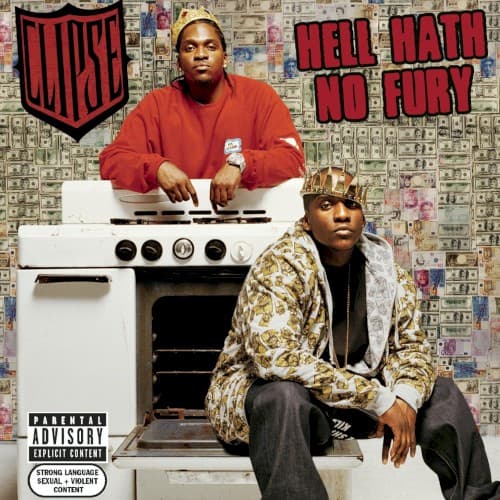
Their partnership with The Neptunes proved definitive. While Pharrell Williams and Chad Hugo supplied futuristic, skeletal production for many artists during this period, their work with Clipse achieved a different intensity. The beats felt designed specifically for Pusha and Malice's delivery — space for every syllable to land, no element wasted. This aesthetic reached its apex on Hell Hath No Fury in 2006, an album that initially struggled commercially but became a critical touchstone and influenced a generation of rappers who valued craft over accessibility.
Clipse never achieved the mainstream dominance of their contemporaries, but their impact on hip-hop's underground and the broader evolution of street rap remains substantial. They demonstrated that minimal production could carry maximum weight, that regional voices deserved national platforms, and that commercial compromise wasn't the only path to relevance.
Skeletal Beats and Surgical Flows: The Clipse Sonic Identity
The Clipse sound is defined by absence as much as presence. Where many 2000s rap productions layered samples, synths, and orchestration, The Neptunes gave Clipse's verses room to breathe — sometimes uncomfortably so. Tracks like "Grindin'" stripped hip-hop down to rhythm and voice, forcing listeners to focus on wordplay and delivery rather than melodic hooks. This minimalism wasn't weakness; it was confidence. The beats dared you to stay engaged without conventional pleasantness.
Pusha T's delivery carries a nasal, distinctive tone that cuts through sparse production. His flow emphasizes syllabic clarity — every word enunciated, every internal rhyme audible. Malice (who later became No Malice) provided tonal contrast: smoother, more reflective, occasionally wrestling with the moral weight of their subject matter. Together, they created a push-pull dynamic. Pusha leaned into the street narratives with relish; Malice introduced doubt and introspection. This tension gave their best work emotional complexity beyond typical drug-trade storytelling.
Their production palette expanded slightly beyond The Neptunes over time, incorporating work from producers like DJ Khalil and Sean C & LV, but the aesthetic remained consistent: hard drums, minimal melodic elements, space for the verses to dominate. Even when they experimented with different sounds, the core principle held — the beat serves the bars, not the other way around.
From Commercial Struggles to Cult Status: Clipse's Unlikely Journey
Clipse formed in 1992 but spent nearly a decade in development before breaking through. Early label troubles with Elektra delayed their debut, a common fate for talented acts caught in corporate reshuffling. When Lord Willin' finally arrived in 2002 on Star Trak/Arista, "Grindin'" became an unlikely hit — unusual for a song with such an abrasive, stripped-down structure. The album went gold, and follow-up single "When the Last Time" showed they could deliver club-friendly records without abandoning their core sound.
But label politics struck again. Hell Hath No Fury, recorded relatively quickly after Lord Willin', sat unreleased for years as Jive Records and Clipse battled over creative direction and marketing strategy. When it finally dropped in late 2006, the delay had cost them momentum. The album sold modestly despite rapturous critical reception — publications like Pitchfork and The Village Voice hailed it as a masterpiece of minimalist rap production. Tracks like "Wamp Wamp (What It Do)" and "Mr. Me Too" showcased the duo at their technical peak, Pusha and Malice trading verses over Neptunes beats that felt simultaneously futuristic and stark.
The Re-Up Gang collective allowed Clipse to maintain presence during label limbo. Alongside affiliates like Sandman, Ab-Liva, and their manager Anthony Gonzalez, they released mixtapes that kept their fanbase engaged and introduced the extended crew's dynamics. We Got It 4 Cheap volumes became essential listening for fans craving new material during the long gaps between official releases.
Til the Casket Drops arrived in 2009, their final studio album before an extended hiatus. By then, the brothers were moving in different directions personally and spiritually. Malice's growing discomfort with their subject matter became public, eventually leading to his retirement from secular rap and reinvention as No Malice, focusing on Christian themes. Pusha T's solo career accelerated, signing with Kanye West's G.O.O.D. Music and releasing critically acclaimed albums that built on the foundation Clipse established.
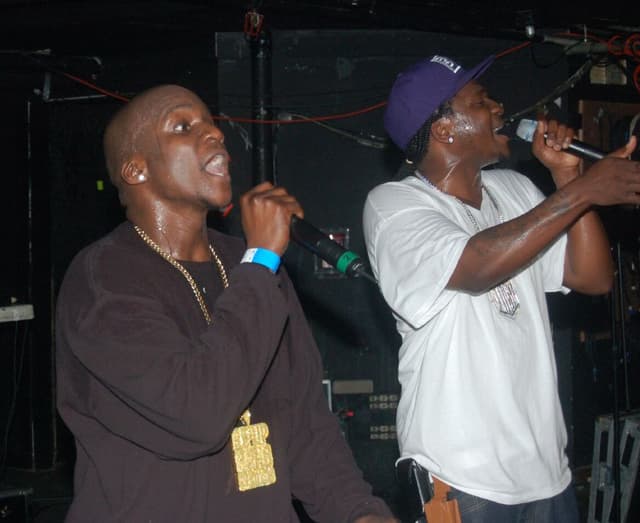
Reunion rumors have circulated for years, with occasional live performances stoking hope. But the duo's three-album run — particularly Hell Hath No Fury — secured their legacy regardless of whether they record together again.
How Two Virginia Brothers Changed Rap's Production Standards
Clipse's influence operates quietly but pervasively. They proved that minimalism could be menacing, that regional perspectives from the South didn't require crunk energy or trap bombast to matter nationally. The skeletal production style they popularized with The Neptunes became a reference point for artists seeking alternatives to sample-heavy boom-bap or glossy commercial production. You hear their DNA in Drake's more stripped-back moments, in the stark beats that defined early Griselda Records output, in Pusha T's own solo work that extends the aesthetic they pioneered together.
Their subject matter — unflinching depictions of cocaine distribution without moralizing or glorification — established a template for "coke rap" as a distinct subgenre. While Raekwon laid groundwork with mafioso narratives in the mid-90s, Clipse updated the approach for a new generation, grounding it in contemporary street economics rather than Scarface mythology. This influenced everyone from Young Jeezy's trap narratives to the detailed storytelling that became central to Griselda's aesthetic.
Hell Hath No Fury's critical reassessment — from commercial disappointment to consensus classic — demonstrated that immediate sales don't determine artistic value. The album's reputation grew steadily through the 2010s as younger artists cited it as foundational. Its influence on production minimalism and technical rapping continues expanding. The duo's refusal to chase trends, even when it hurt them commercially, looks increasingly prescient as hip-hop audiences embrace artists who maintain uncompromising creative visions.