Brooklyn's Boot Camp Clik Architects: Tek and Steele's Street Testament
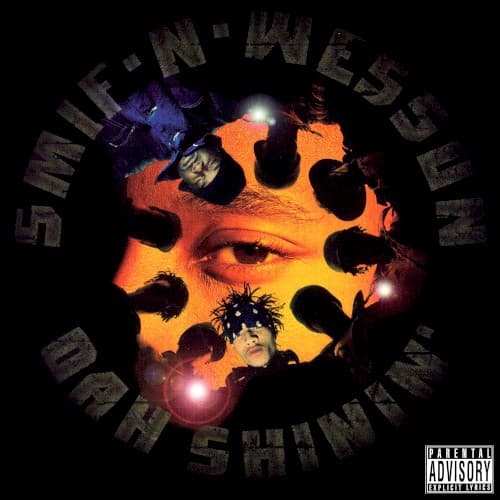
Smif-n-Wessun emerged from Brooklyn's Brownsville projects in 1993 as one of the most uncompromising duos in East Coast hip-hop. Consisting of MCs Tek (Tekomin Williams) and Steele (Darrell Yates), the group formed a cornerstone of the Boot Camp Clik collective alongside Black Moon, Heltah Skeltah, and Originoo Gunn Clappaz. Their debut album "Dah Shinin'" arrived in January 1995 during a golden era of New York rap, carving out space with stark production and unfiltered street narratives that refused to soften edges for commercial appeal.
What distinguished Smif-n-Wessun from their contemporaries was their commitment to atmosphere over accessibility. Where many mid-90s acts chased radio-friendly hooks, Tek and Steele doubled down on the claustrophobic tension of their environment. Their sound captured the paranoia and survival instinct of Brooklyn's roughest blocks, delivered through interlocking verses that felt less like performances and more like dispatches from the frontlines. The duo's chemistry stemmed from complementary approaches—Tek's gravelly aggression balanced against Steele's slightly smoother but equally militant delivery.
Their significance extends beyond their own catalog. As Boot Camp Clik members, they helped establish Duck Down Records as an independent powerhouse and created a template for collective-based hip-hop that valued regional authenticity over mainstream compromise. Their influence rippled through underground rap scenes that prioritized raw lyricism and boom-bap integrity throughout the late 90s and 2000s.
The Sonic Architecture of Brooklyn Warfare: Production and Flow
Smif-n-Wessun's sonic identity was forged in collaboration with producers who understood darkness as a musical virtue. Their primary architects—Da Beatminerz, Mr. Walt, and Evil Dee—crafted soundscapes built on dusty soul samples, minimalist drums, and an almost suffocating sense of space. Where contemporaries like Mobb Deep used Havoc's claustrophobic production to similar effect, Smif-n-Wessun's tracks often felt even more stripped-down, allowing the weight of each snare hit and bass rumble to land with maximum impact. The production on "Dah Shinin'" exemplifies this approach: tracks like "Bucktown" and "Wontime" use negative space as aggressively as they use drums.
Tek and Steele's vocal chemistry operated on call-and-response principles refined through countless ciphers. They rarely employed traditional verse-chorus structures, instead building songs through interwoven bars that created a conversational tension. Tek typically anchored tracks with a more aggressive, staccato delivery, spitting threats and street observations with military precision. Steele provided textural contrast—his flow slightly more measured, occasionally melodic, but never sacrificing edge. Their voices blended into a unified front that made it difficult to separate individual contributions, a deliberate strategy that reinforced their duo identity.
The group's approach to lyricism prioritized authenticity over cleverness. While technically proficient, they avoided the sort of abstract wordplay that defined acts like Wu-Tang Clan or the metaphorical density of Nas. Instead, their verses documented street life with journalistic clarity—guns, territory, loyalty, survival. This directness became their signature, appealing to listeners who valued unvarnished truth over artistic flourish. When they did employ metaphor, it emerged from their environment organically, never feeling forced or overly intellectual.
From Brownsville Ciphers to Duck Down Dynasty: The Smif-n-Wessun Timeline
Smif-n-Wessun's formation traces back to the early 90s Brooklyn underground, where Tek and Steele connected through the burgeoning Boot Camp Clik collective. The movement coalesced around Black Moon's 1993 debut "Enta da Stage," which introduced Da Beatminerz production and established Duck Down Records as an independent force. Tek and Steele appeared on Black Moon's album, gaining visibility within New York's competitive rap ecosystem before preparing their own full-length statement.
"Dah Shinin'" arrived in January 1995 to critical acclaim within hip-hop's core audience. The album's lead single "Bucktown" became an underground anthem, its aggressive production and territorial pride capturing the essence of mid-90s Brooklyn street rap. Tracks like "Wrekonize" (featuring Heltah Skeltah) and "Sound Bwoy Bureill" showcased the duo's versatility within their aesthetic parameters, while deeper cuts demonstrated their ability to sustain tension across full-length projects. The album peaked at number 59 on the Billboard 200—modest commercial performance that belied its influence on underground circuits. "Dah Shinin'" has since been recognized as one of the decade's essential New York rap documents, a peer to projects by Mobb Deep and Wu-Tang Clan affiliates in capturing the era's rawness.
The duo's career trajectory took an unexpected turn in 1996 when they rebranded as Cocoa Brovaz due to legal pressure from firearms manufacturer Smith & Wesson. Their sophomore album "The Rude Awakening" (1998) arrived under the new name to mixed reception—the rebrand confused fans, and the album's sound felt caught between their underground roots and label pressure for broader appeal. While tracks like "Black Trump" maintained their edge, the project lacked the cohesion and raw intensity of their debut. Sales suffered, and momentum stalled during a period when commercial hip-hop increasingly favored glossier production and crossover ambitions.
The early 2000s saw Smif-n-Wessun/Cocoa Brovaz navigating independent hip-hop's evolving landscape. They released "The Chosen Few" (2001) and "Bucktown USA" (2001, back under the Cocoa Brovaz name) to diminishing returns, though both albums contained moments that reminded longtime fans why the duo mattered. The group remained active through Boot Camp Clik collective projects, including the crew album "The Last Stand" (2006), but never recaptured the cultural moment they'd seized in 1995. By 2005, they'd largely stepped back from consistent recording, though occasional collaborations and live performances kept their name circulating in underground circles.
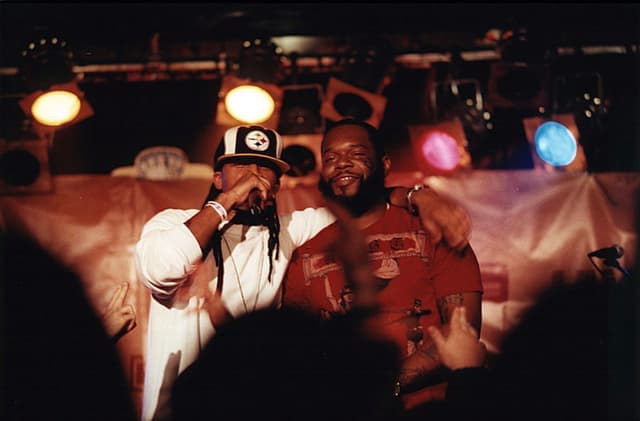
Their later period included a 2007 reunion album "Smif 'n' Wessun: Reloaded" and a 2011 collaboration with producers Beatnick & K-Salaam titled "Monumental." These releases found them returning to their sonic roots after the Cocoa Brovaz detour, reconnecting with the boom-bap fundamentalism that defined their peak. While none achieved the impact of "Dah Shinin'," they demonstrated artistic consistency and refusal to compromise their aesthetic for trends. The duo continued performing through the 2010s, maintaining their legacy as Boot Camp Clik elders and 90s New York rap torchbearers.
Underground Architects: Smif-n-Wessun's Enduring Influence on Raw Hip-Hop
Smif-n-Wessun's impact on hip-hop culture operates below mainstream visibility but runs deep through underground networks. "Dah Shinin'" remains a touchstone for producers and MCs who value unpolished authenticity over commercial sheen. Its influence appears in how subsequent generations approached independent hip-hop—the album demonstrated that regional specificity and sonic uncompromising could sustain careers outside major label systems. Artists from the 2000s underground renaissance, including members of the Rawkus Records roster and later independent boom-bap revivalists, cited the duo's debut as proof that street rap could maintain integrity without crossover compromise.
The Boot Camp Clik model they helped establish created a blueprint for collective-based hip-hop that valued mutual support over solo stardom. While Wu-Tang Clan popularized the crew concept on a massive scale, groups like Boot Camp Clik demonstrated its viability for artists operating in underground spaces. This approach influenced regional collectives throughout the late 90s and 2000s, from Detroit's Five Elementz to Los Angeles's Project Blowed affiliates, showing that strength in numbers could compensate for limited resources.
Listening to Smif-n-Wessun today means confronting mid-90s New York hip-hop at its most unvarnished. There's no nostalgia filter softening the edges—just the same tension and urgency that made "Dah Shinin'" essential in 1995. Their legacy lives in every contemporary artist who chooses rawness over refinement, who documents their environment without apology, and who understands that hip-hop's power sometimes lies in what it refuses to compromise.