How Westside Gunn Reshaped Underground Hip-Hop From Buffalo
Alvin Lamar Worthy, known professionally as Westside Gunn, emerged from Buffalo, New York in the mid-2010s with a vision that would fundamentally alter the underground hip-hop landscape. As the co-founder of Griselda Records alongside his brother Conway the Machine and cousin Benny the Butcher, he didn't just build a label — he constructed an entire aesthetic universe where high fashion collides with street narratives, where wrestling references sit alongside luxury brand name-drops, and where the raw, unpolished edges of boom bap production carry as much weight as technical precision.
What distinguishes Westside Gunn from his contemporaries isn't virtuosic lyricism or conventional flow patterns. His signature ad-libs — the piercing "BOOM BOOM BOOM BOOM" gunshot bursts, the "AYO" exclamations, the interpolated wrestling announcer vocal samples — became instantly recognizable sonic watermarks that divided listeners into devoted followers and bewildered skeptics. His unconventional delivery, marked by a nasal tone and idiosyncratic cadence, shouldn't work according to traditional rap conventions, yet it became the foundation for one of hip-hop's most influential movements of the past decade.
The Buffalo native's impact extends far beyond his own recordings. Through Griselda, he created a distribution model that challenged major label orthodoxy, releasing limited physical editions through his Daupe! platform while maintaining creative autonomy. This approach transformed scarcity into cultural currency, with vinyl pressings selling out within minutes and commanding resale prices that rivaled collectible sneakers. Westside Gunn didn't just revive interest in grimy, sample-heavy production — he proved that underground aesthetics could generate mainstream attention without compromise.
The FLYGOD Sound: Drumless Loops, Fashion References, and Audio Collage
Westside Gunn's sonic identity centers on minimalist, sample-heavy production that frequently eschews traditional drum programming in favor of sparse, atmospheric loops. Working primarily with producers like Daringer, The Alchemist, and Conductor Williams, his tracks often feature obscure soul samples chopped into haunting progressions, creating spaces where his unorthodox delivery can occupy the foreground without competition. The drumless approach — a signature element of the Griselda sound he pioneered — forces listeners to focus on vocal performance and lyrical content rather than nodding to conventional rhythmic patterns.
His lyrical content weaves street narratives with luxury brand references in ways that initially seem incongruous but reveal a deeper commentary on aspiration and authenticity. Within a single verse, he'll transition from cocaine distribution tales to Raf Simons runway collections, from wrestling pay-per-view memories to Hermès Birkin bags. These aren't mere flexes but cultural coordinates that map his journey from Buffalo's streets to high-fashion circles, treating designer goods as both status symbols and artistic inspiration.
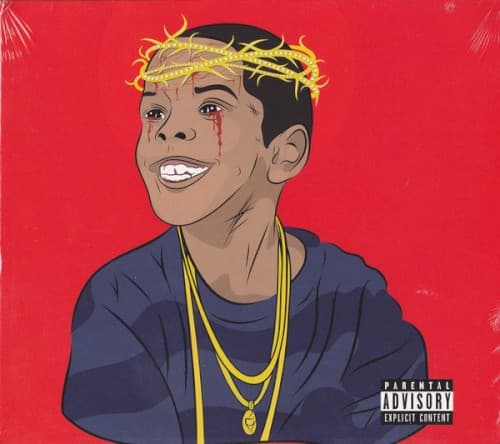
The audio collage aesthetic extends beyond the music itself. Westside Gunn frequently incorporates dialogue samples from obscure crime films, vintage wrestling commentary, and European art house cinema into his tracks, creating sonic environments that feel cinematic and deeply personal. His 2016 debut FLYGOD established this template — gritty production foundations overlaid with his nasal delivery and punctuated by those signature ad-libs, creating an experience that felt simultaneously lo-fi and luxurious. The project earned critical recognition with a 7.9 rating, validating his unconventional approach and setting the stage for Griselda's subsequent rise. This commitment to atmosphere over technical perfection became the blueprint that countless underground artists would study and emulate.
From Buffalo Streets to Independent Empire: Westside Gunn's Griselda Vision
Before Westside Gunn established himself as a cultural architect, his path through Buffalo's streets provided the raw material for his artistic vision. The formation of Griselda Records with Conway the Machine and Benny the Butcher wasn't just a business decision — it was a declaration of regional pride from a city largely overlooked in hip-hop's coastal narratives. Early mixtapes circulated through underground channels, building a cult following that appreciated the group's commitment to unfiltered street perspectives and production aesthetics that recalled mid-90s New York.
The 2016 release of FLYGOD marked a pivotal transition from local phenomenon to underground sensation. Rather than pursuing traditional distribution, Westside Gunn released the album through his own Daupe! platform in extremely limited quantities, creating artificial scarcity that drove demand exponentially. This strategy proved genius — the project's critical success and cult following attracted attention from major labels, but on terms that allowed Griselda to maintain creative control. Shady Records eventually partnered with Griselda for distribution, providing resources without demanding artistic compromise.
As Griselda's profile expanded, Westside Gunn positioned himself not just as a rapper but as a curator and cultural tastemaker. His Hitler Wears Hermes mixtape series became annual events, each installment featuring production from elite beatmakers and guest appearances from artists across hip-hop's spectrum. He collaborated with fashion brands, appeared at runway shows, and inserted himself into conversations typically reserved for mainstream stars — all while maintaining underground credibility through limited releases and uncompromising artistic choices.
The commercial breakthrough came without commercial concessions. Projects like Supreme Blientele and Pray for Paris featured production from legends like DJ Muggs and The Alchemist alongside emerging talents, with guest appearances from artists ranging from Roc Marciano to Tyler, The Creator. The latter collaboration particularly signaled Westside Gunn's expanding influence — Tyler's involvement on multiple tracks demonstrated how Griselda's aesthetic had penetrated beyond underground purist circles into broader hip-hop consciousness.
In 2020, Westside Gunn announced his retirement from solo recording, claiming Who Made the Sunshine would be his final album. The declaration proved temporary, as he continued releasing music while focusing more energy on Griselda's roster expansion and his own visual art pursuits. His paintings — often incorporating wrestling imagery and street culture references similar to his musical themes — found gallery representation, further blurring the lines between rapper, entrepreneur, and multimedia artist. This evolution reflected his understanding that Griselda's influence extended beyond music into lifestyle branding and cultural positioning.
Westside Gunn's Cultural Blueprint: How Buffalo Changed Underground Hip-Hop
Westside Gunn's most enduring contribution may be proving that regional identity and uncompromising artistic vision could generate cultural movements in hip-hop's streaming era. Buffalo, a city without significant rap legacy, became synonymous with a particular aesthetic approach — grimy production, fashion-conscious lyricism, and business models that prioritized artistic control over mainstream accessibility. Artists from Boldy James to Mach-Hommy found renewed career momentum through Griselda collaborations, while younger artists adopted the label's sonic templates and independent distribution strategies.
The Griselda aesthetic he pioneered influenced production trends across underground hip-hop. The prevalence of drumless beats, obscure soul samples, and minimalist arrangements in contemporary underground releases traces directly to the template he established. Producers like The Alchemist found new audiences through Griselda projects, while younger beatmakers studied Daringer's stripped-down approach as a counterpoint to the maximalist production dominating mainstream rap. This sonic influence extended beyond direct imitators — even artists operating in different stylistic lanes acknowledged Griselda's impact on recentering sample-based boom bap production.
His business model created blueprints for independence that resonated beyond hip-hop. The Daupe! platform's limited release strategy — treating physical albums as collectible art objects rather than mere distribution formats — anticipated broader trends in music merchandising and fan engagement. Artists across genres began experimenting with scarcity models, exclusive variants, and direct-to-consumer approaches that bypassed traditional retail infrastructure. Westside Gunn demonstrated that underground artists could generate significant revenue and cultural cachet without major label machinery.
Beyond commercial and aesthetic influence, Westside Gunn opened pathways between hip-hop and high fashion that few underground artists had successfully navigated. His presence at fashion weeks, collaborations with luxury brands, and integration of runway culture into his music challenged assumptions about who belonged in those spaces. The visibility he generated for Buffalo artists — Conway the Machine and Benny the Butcher both achieving individual success partially through their Griselda association — proved that regional scenes could thrive outside traditional industry centers. His unorthodox approach to rap performance, where technical limitations became stylistic signatures, offered encouragement to artists who didn't fit conventional molds but possessed distinctive visions worth pursuing.