Style & Context
Influences
film noir cinematography, Renaissance portraiture, 90s R&B album aesthetics
Location
Kane represents Brooklyn's lyrical tradition fighting to stay visible as the borough's sound diversified beyond boom bap.
Visual Language
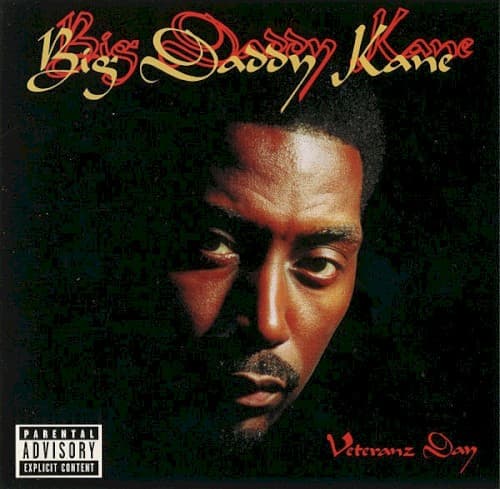
The high-contrast lighting sculpts Kane's features with painterly precision, elevating the portrait beyond standard rapper headshot.
Symbols
Enveloping darkness
The void represents how late-90s commercial rap had erased the golden age pioneers who built the foundation.
Directional side lighting
Film noir illumination positions Kane as a detective of his own relevance, investigating his place in hip-hop's evolution.
Direct eye contact
Kane's unflinching gaze challenges listeners to remember when lyricism and flow mattered more than radio hooks.
Where Sound Meets Image
The cover's cinematic darkness mirrors Kane's position as a lyrical veteran navigating hip-hop's commercial transformation while maintaining boom bap integrity. The dramatic lighting reflects the album's attempt to balance golden age flow complexity with late-90s production expectations. Just as the photograph uses shadow to emphasize Kane's remaining illuminated features, Veteranz Day showcased his still-sharp wordplay amid an industry that had largely moved past intricate internal rhyme schemes. The title's militant language and the portrait's serious intensity align with tracks addressing legacy, respect, and the widening gap between hip-hop's founding principles and its mainstream evolution.
This cover influenced how veteran rappers approached comeback imagery—embracing darkness and isolation rather than fighting for visual relevance through flashy styling. The minimalist portrait approach anticipated how elder statesmen MCs would later package legacy projects, prioritizing dignity over trend-chasing. While not widely referenced in cover art discourse, it established a visual language for golden age survivors: emerge from the shadows, make direct eye contact, let your presence speak louder than props or posturing.