Style & Context
Influences
Francis Bacon, Caravaggio's chiaroscuro, Andrei Tarkovsky's cinematic stillness
Location
Reflects the isolated creative bunker mentality replacing Chicago community roots with Wyoming exile.
Visual Language
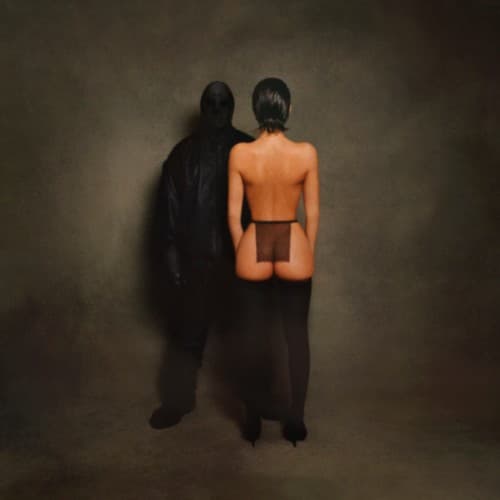
The photographic approach employs classical painting techniques to create timeless dread and intimate exposure.
Symbols
Cloaked figure
Represents the predatory forces, personal demons, or paternal protection depending on viewer interpretation.
Child's exposed back
Symbolizes raw vulnerability and innocence under threat in an unforgiving spiritual landscape.
Blank wall
Functions as judgment void where past and future collapse into confrontational present moment.
Where Sound Meets Image
The cover's duality mirrors Vultures 1's schizophrenic sound—gospel samples collide with abrasive trap production while West oscillates between protective father and self-destructive provocateur. Tracks exploring family devotion sit beside combative verses, just as warmth and shadow occupy the same frame here. The exposed positioning reflects the album's refusal to hide behind polish, presenting flawed humanity and experimental chaos without apology or commercial concession.
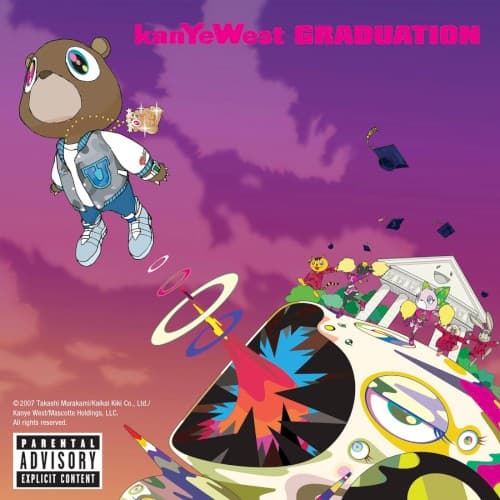
This cover rejects the aspirational luxury that defined West's Graduation-era maximalism and the spiritual grandiosity of Donda's brutalist aesthetic. Instead it establishes vulnerability as confrontation—a move rippling through hip-hop's younger generation who increasingly expose psychological wounds rather than project invincibility. The fine art photography approach continues legitimizing rap albums as gallery-worthy artifacts.