The scorecard
4.8/10 · Weak
- Writing25%
- 3.5
- Production25%
- 7.0
- Delivery15%
- 5.5
- Cohesion15%
- 4.0
- Originality10%
- 3.0
- Replay value10%
- 4.5
West's handling of controversy is alternately evasive and inflammatory, with lines like "How I'm antisemitic? I just fucked a Jewish bitch" replacing accountability with provocation, while most verses reduce to money and sex with little specificity or craft.
The producer roster delivers rhythmic complexity and variety—Brazilian funk on "Paperwork", gospel on "Stars", trap switches on "Vultures"—but the album never commits to a sound, lurching between ideas without developing them.
Ty Dolla Sign's hooks and harmonies carry the vocal load while West oscillates between baby voice affectations on "Paid" and flat rapping elsewhere, with North West's "I'm your bestie" chant on "Talking" landing as novelty.
Sixteen tracks with no through-line beyond controversy baiting: "Stars" opens with gospel restraint, "Carnival" rides a Donna Summer interpolation, "King" closes with horns, but nothing binds them into an album rather than a pile of ideas.
The album recycles West's own "Hell of a Life" on "Carnival", borrows the "Runaway" structure for "Back to Me", and chases the Carti-Scott darkwave he pioneered on Yeezus a decade earlier, offering no new ground.
"Carnival" and "Vultures" have hooks that stick, but the album's central gambit—provocation as content—grows more tiresome on repeat, especially when West's defenses of his controversies replace the music as the main event.
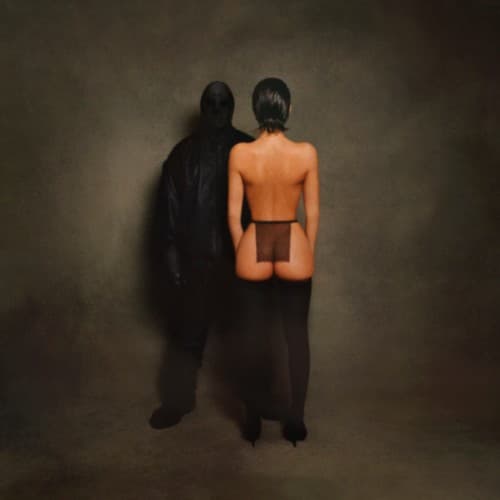
Kanye West Vultures 1 — The Collapse Disguised as a Comeback
The first two minutes of Vultures 1 suggest a record interested in rebuilding. "Stars" opens with slow gospel rises, West and Ty Dolla Sign harmonizing over programmed drums and layered vocals, the kind of careful construction that made West famous as a producer. Then West raps "I keep a few Jews on the staff now" and the illusion collapses. This is not an album about moving past controversy but about refusing to, a sixteen-track argument that the fallout from his antisemitic comments is everyone else's problem.
The production roster is stacked—Timbaland, Swizz Beatz, JPEGMafia, 88-Keys, Kaytranada—and they deliver rhythmic complexity and variety across trap, house, Brazilian funk and gospel. But the album has no center beyond provocation. West breaks his own promises about secular music and clean lyrics, addresses his divorce and his new relationship, defends himself and attacks his critics, all while Ty Dolla Sign provides the melodic scaffolding that holds the songs together.
The result is less a collaboration than a hostage situation: Ty sings the hooks, West says the quiet parts loud, and the beats lurch from idea to idea without committing to any of them.
Vultures 1 is West's first major release since the antisemitism controversy and it reads like a man who believes survival is the same as vindication.
A Roster of Producers Chasing Twelve Different Ideas
The production on Vultures 1 is its only consistent strength, though consistency is not the same as cohesion. The Legendary Traxster appears on nine tracks, Timbaland on four, 88-Keys on five, and the result is a record that never settles into a sound. The variety is deliberate but it does not serve the album. Each track sounds like a different session, a different idea, a different year of West's career.
The beats are rhythmically complex but they do not talk to each other. The album chases the darkwave rap that West pioneered on Yeezus and that Playboi Carti and Travis Scott have since made their own, but it arrives a decade late and without the focus that made Yeezus cohere.
Ty Dolla Sign is the album's secret weapon. He sings the hooks, harmonizes with West, delivers verses about his daughter, and uses auto-tune sparingly enough that it serves the melody rather than replacing it. His contributions are the reason half these tracks work at all.
West, by contrast, is absent as a writer. He raps with technical precision in moments but most of his verses are flat assertions about money, sex, and how everyone who doubts him will be proven wrong. The baby voice on PAID is an affectation without purpose, evoking his InfoWars appearance rather than adding character to the song. The writing throughout is surface-level: boasts about sending a woman $100,000 on Apple Pay, comparisons to Elon Musk from Freddie Gibbs, North West chanting "I'm your bestie" in a moment that plays as novelty.
When West does address his controversies directly, the results are worse. On VULTURES he asks "How I'm antisemitic? I just fucked a Jewish bitch", a line so transparently evasive it forecloses any possibility of accountability. On CARNIVAL he dubs himself "Ye-Kelly" and makes comparisons to Bill Cosby and Puff Daddy, defending Chris Brown in the process. On KING he tells critics that calling him "crazy, bipolar, antisemite" does not change the fact that he is "still the king".
These are not arguments, they are slogans, and they treat the audience as either co-conspirators or enemies. The album's one moment of self-awareness comes on BURN, where West harmonizes with Ty Dolla Sign and alleges that critics have been "entertained by my pain", suggesting his issues provided liberation. It is the closest the record comes to introspection, and it lasts for one verse before the album moves on to another beat, another idea, another provocation.
Sixteen Tracks Lurching Between Peaks and Dead Air
Vultures 1 is too long and too scattered to earn its runtime. The album opens with restraint but by the third track, the record has already lost its thread. The sequencing has no logic. The peaks are isolated.
The first stretch pivots between gospel, trap, and upbeat drums without establishing direction. The middle section sags with tracks that sound like ideas rather than finished songs. The back half drags through a six-minute interpolation that adds nothing, and the closing run ends on horns and defiance. The runtime is bloated and the album has no sense of when to end a track or when to cut one entirely.
The result is a record that feels like a listening session dump rather than a considered sequence.
Where It Ranks and Who Should Bother
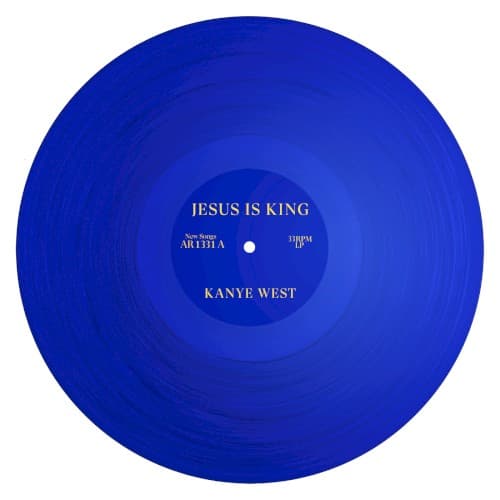
Vultures 1 is the weakest Kanye West album with his name on it, below even Jesus Is King and Donda 2, because those records at least committed to an idea. This one has no idea beyond survival. The production is the only reason to show up but the beats are in service of an album that has nothing to say. West's writing is evasive, inflammatory, or absent, and his handling of controversy replaces accountability with provocation.
Ty Dolla Sign carries the vocal load and his contributions are the best parts of the record, but he cannot save sixteen tracks that do not talk to each other. The album has no cohesion, no arc, no sense of restraint. It sounds like a pile of sessions from Saudi Arabia and Italy, expensive and scattershot, with no one willing to tell West what to cut.
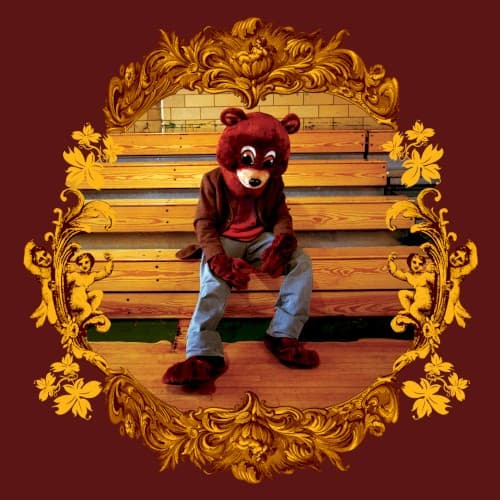
If you are curious, start with CARNIVAL and VULTURES, the two tracks where the hooks and the production align. If those do nothing for you, skip the album entirely. Fans who have followed West since The College Dropout will find nothing here that justifies the runtime or the baggage.
The album topped the Billboard 200 and brought West to 157 career Hot 100 entries, but those numbers reflect his past catalog, not the music on this record. For context, listen to Yeezus if you want West chasing a dark, abrasive sound with focus, or My Beautiful Dark Twisted Fantasy if you want him addressing controversy with craft. Vultures 1 is the sound of a man who survived cancellation and mistook that for an artistic comeback. It has aged poorly in the year since release because the controversies it addresses are no longer news and the provocation is no longer shocking.
What remains is a scattershot collaboration album with good production and weak writing, a record that will be remembered as a footnote in a catalog that once set the standard.
Track by track
Track Listing
STARS
SolidGospel rises and layered vocals open the album with restraint, West and Ty Dolla Sign harmonizing over slow-building drums. The production is careful, the kind of construction that suggests the album might be interested in rebuilding. Then West dismisses being canceled and asserts he keeps Jews on staff, and the tone is set: provocation over introspection. Camper's uncredited vocals add texture but the track is more thesis statement than song.
KEYS TO MY LIFE
SolidAn upbeat drum pattern and a Wu-Tang Clan sample give the track pop structure, West rapping about his divorce from Kim Kardashian and his relationship with Bianca Censori. The writing is surface-level—he mentions wanting another child—but the beat from Timbaland and the Legendary Traxster keeps it moving. India Love's uncredited vocals add melody where West's rapping does not.
PAID
SolidKaytranada and Kilhoffer build a beat around funk, electronic and dubstep elements, with an upbeat drum pattern and a Roxanne interpolation. West delivers his baby voice, the affectation evoking his InfoWars appearance rather than adding character. Ty Dolla Sign croons in a dance-pop style and the track is built around capitalism as a theme, but the writing is hollow boasting without specificity. The production is the only reason to return.
TALKING
SolidNorth West chants "I'm your bestie" on the chorus, a novelty moment that lands as exactly that. Ty Dolla Sign delivers a verse about his daughter and whether she has been raised properly, the most grounded writing on the album so far. West closes the track crooning about clouds gathering, and James Blake's uncredited vocals add atmosphere. The drum pattern continues from "Paid" and the track feels like an interlude stretched to three minutes.
BACK TO ME
SolidThe beat evokes "Runaway" with programmed rolling drums and a bassline, and the structure is deliberate enough that the comparison feels intentional. A soundbite from Jay and Silent Bob repeats throughout, West and Ty Dolla Sign chanting the line about naked women not falling from the sky. Freddie Gibbs contributes a verse comparing himself to Elon Musk, all braggadocio and no specificity. The track is five minutes long and does not justify the runtime, but the production from 88-Keys and Wax Motif keeps it from collapsing.
HOODRAT
WeakSteel drums and a looping siren accompany West boasting about sexual activity, dubbing the woman a whore. The track is three and a half minutes of posturing with no craft. Mike Tyson's voice appears at the conclusion, acknowledging West's greatness and mental issues, suggesting delusion is a trait of leaders. The interpolation does not add weight, it adds clutter. Filler.
DO IT
WeakOrchestral elements and 808s frame a track about money and women, West telling those who do not like him that it is their loss before boasting about sending $100,000 on Apple Pay. YG and Nipsey Hussle's uncredited vocals add presence but the writing is empty. DJ Mustard and Cubeatz are on production but the track sounds like an idea, not a finished song. Filler.
PAPERWORK
SolidBrazilian funk, guitar synths and distortion make for the album's most sonically adventurous moment, 88-Keys and Swizz Beatz building a beat that pivots hard from everything around it. Quavo's uncredited vocals add a verse but the track is two and a half minutes and feels like a snippet. The production is the draw, the writing is nothing.
BURN
StandoutThe album's most soulful moment, reminiscent of West's early material. He harmonizes with Ty Dolla Sign and alleges critics have been entertained by his pain, suggesting his issues provided liberation. It is the closest the record comes to self-awareness. West calls out Balenciaga, alleging they used R. Kelly in a commercial, and attacks critics for doubting him. The track is under two minutes and the album does not build on it, treating introspection as an interlude.
FUK SUMN
StandoutBass and sexual fantasies frame the track, West rapping "This the real, not a version" as if asserting authenticity makes it true. Playboi Carti and Travis Scott's uncredited vocals add energy and West's flow locks into the bass, his most focused verse on the album. The production from JPEGMafia, Timbaland and the Legendary Traxster is layered and the beat does not waste time. One of the album's few complete tracks.
VULTURES
SolidProminent synths, drums and a beat switch make for a trap track that justifies its four and a half minutes. West addresses his antisemitism controversy by asking how he can be antisemitic when he "just fucked a Jewish bitch", a line so evasive it forecloses accountability. Ty Dolla Sign follows with a line about beating up a woman's genitals for Ukraine, the writing as graceless as the premise. Bump J and Lil Durk contribute verses but the track's hook and production carry it despite the lyrics.
CARNIVAL
StandoutThe album's most complete track, built around a sample of West's own "Hell of a Life" with a crowd chant that repeats throughout. The percussion echoes the chant and gives the song structure. West references Taylor Swift, dubs himself "Ye-Kelly" and makes comparisons to Bill Cosby and Puff Daddy while defending Chris Brown, calling out cancel culture in the process. Rich the Kid and Playboi Carti add verses but the hook is what sticks. The production from Digital Nas, Ojivolta and the Legendary Traxster is the album's peak, and the track topped the Billboard Hot 100 for a reason.
BEG FORGIVENESS
WeakSix minutes built around an interpolation of Joe Goddard's "Gabriel", with Chris Brown singing uncredited vocals and shaming a subject seeking forgiveness. The track has hollow drums and does not justify its length. JPEGMafia, London on da Track and Kilhoffer are on production but the song feels like a loop, not a composition. It sags and the album does not recover.
PROBLEMATIC
StandoutLoud horns and a beat that evokes West's earlier work, with Pierre Henry and Spooky Tooth samples. West recalls his younger days living in New Jersey and traveling to New York City, seeking fame. The writing is the album's most grounded since "Talking", with actual specificity instead of boasts. The track is three minutes and feels like a moment of clarity before the album closes on defiance.
KING
WeakThe closing track addresses West's controversies by telling those who labeled him "crazy, bipolar, antisemite" that he is still the king. It is a slogan, not an argument, and the track ends the album on exactly the note it opened: provocation as content. JPEGMafia and 88-Keys are on production, the horns are loud, and the track is two and a half minutes of West refusing to concede anything. It is an endpoint, not a resolution.