Style & Context
Influences
Afrofuturism, sci-fi cinema, avant-garde fashion, Hype Williams video aesthetics
Location
Virginia's producer-driven sound was reshaping hip-hop geography, and this cover announced a new creative capital beyond New York and LA.
Visual Language
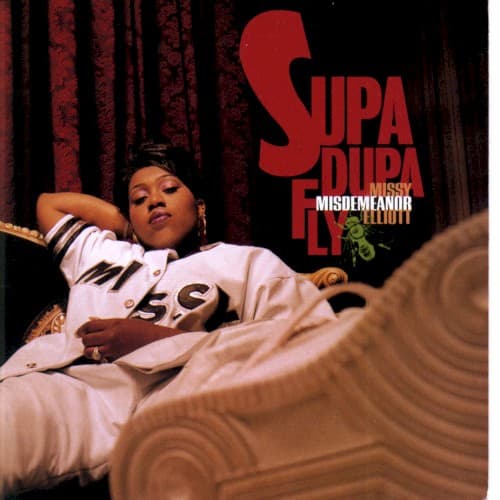
The cover merges hip-hop's love of luxury with science fiction's capacity for radical reimagining of the human form.
Symbols
Inflated trash bag suit
The suit transforms disposable material into haute couture, declaring Missy's ability to elevate anything she touches into art.
Reclined power pose
Her casual lean subverts masculine hip-hop posturing, claiming space and authority without aggression or sexualization.
Red vertical stripes
The prison-bar pattern suggests breaking free from industry constraints that tried to box in female artists.
Where Sound Meets Image
The cover's surreal aesthetic perfectly mirrors the album's production—Timbaland's stuttering beats, backward vocals, and unconventional song structures sound exactly like this image looks. The inflated suit's exaggerated proportions match the blown-out bass and space-age synths throughout tracks like 'The Rain (Supa Dupa Fly)' and 'Sock It 2 Me.' Missy's relaxed pose despite the absurd costume reflects her effortless flow over experimental production that would overwhelm lesser artists. The red-and-black drama hints at the album's confident swagger mixed with vulnerability on deeper cuts.
This cover liberated an entire generation of female artists from the false choice between sex symbol and tomboy, proving that weird, creative, and powerful could coexist. The trash bag suit became one of hip-hop's most referenced visual moments, inspiring everyone from OutKast's futuristic looks to modern artists like Tyler, The Creator who prioritize creative vision over commercial appeal. It remains the blueprint for artists who want to center their art and innovation rather than their bodies, and proved that bold visual choices could become just as memorable as any glamour shot.