Style & Context
Influences
FBI wanted posters, True Crime documentaries, prison ID photography, gangster film aesthetics
Location
Queensbridge housing projects loom invisibly behind these images, where police photography became routine documentation for residents.
Visual Language
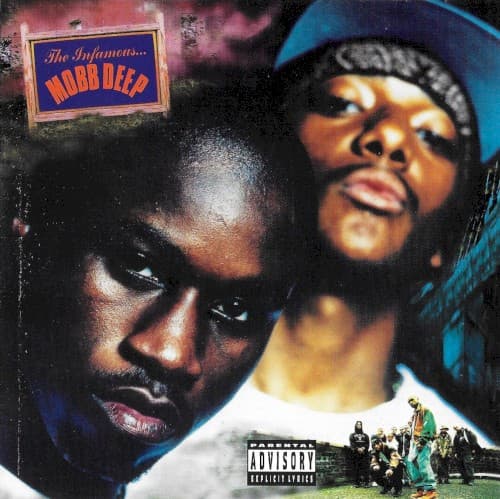
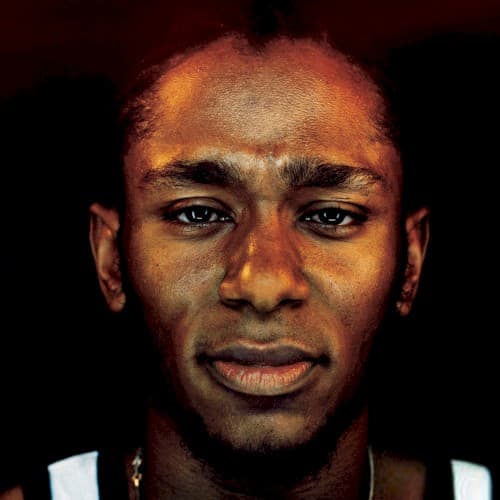
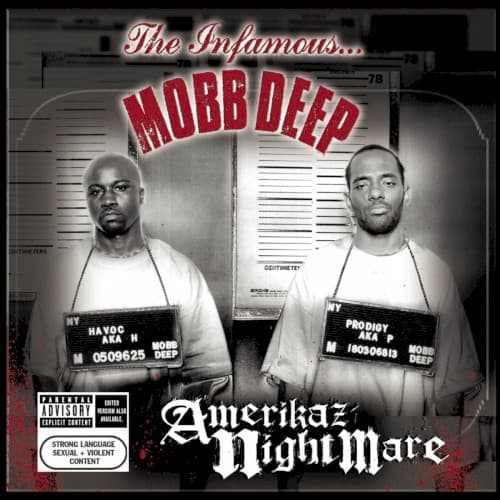
The forensic photography style borrows authority from law enforcement documentation to flip the narrative of surveillance.
Symbols
Mugshot placards
The arrest boards transform legal markers of criminalization into badges of authenticity and street survival.
White tank tops
The plain undershirts echo prison uniforms while maintaining Queensbridge project hallway aesthetics from their environment.
Old English title font
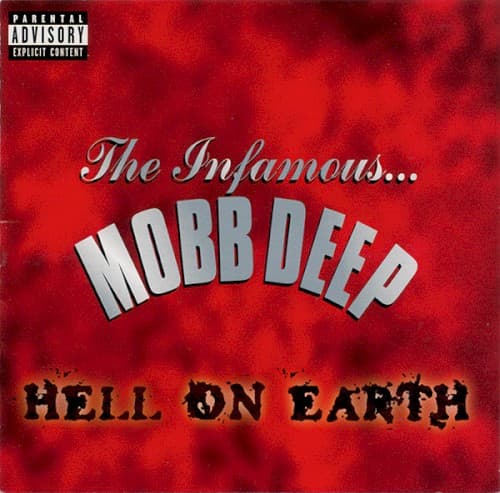
Gothic lettering connects gangster typography to medieval damnation, positioning them as villains in America's moral panic.
Where Sound Meets Image
The stark visual aesthetic mirrors the album's stripped-down production and uncompromising lyrics about police harassment, project survival, and street economics. Songs addressing incarceration, surveillance, and criminalization gain visual context through imagery that normalizes arrest photography as autobiographical material. The cover's refusal to romanticize or distance itself from criminal justice contact reflects Mobb Deep's continued commitment to reporting from Queensbridge's front lines without commercial compromise or redemption narratives.
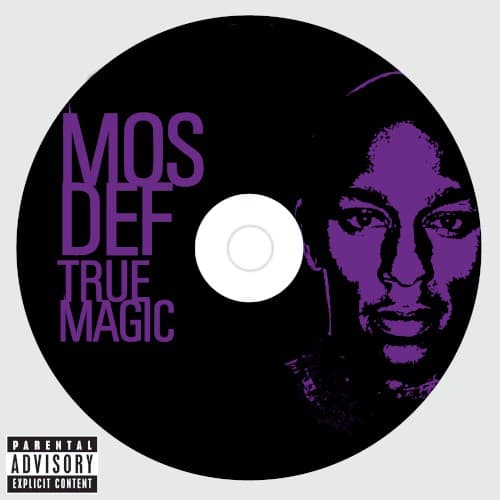
This cover influenced the mugshot-as-album-art trend that would proliferate throughout 2000s hip-hop, from independent mixtapes to major releases. The design's brutal honesty helped establish visual language for street rap's documentation impulse, where arrest records became curriculum vitae rather than shameful secrets. Its impact appears in countless later covers that embraced surveillance aesthetics and criminal justice imagery as authentic hip-hop iconography.