Style & Context
Influences
90s Nickelodeon cartoons, pop art, underground comic books, street flyer aesthetics
Location
Buffalo's grimy streets get elevated through art that refuses to apologize for its origins or sanitize its reality.
Visual Language
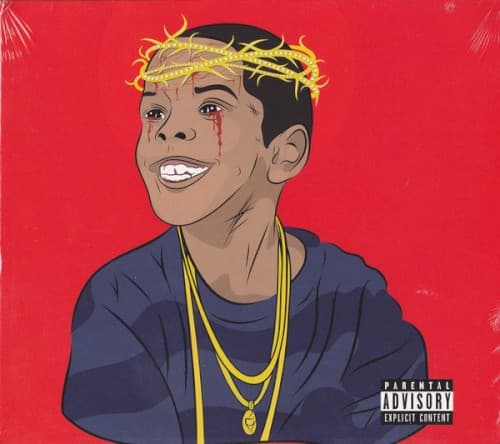
The animation style evokes childhood Saturday mornings while depicting adult violence, creating cognitive dissonance that mirrors the album's themes.
Symbols
Barbed wire crown
The thorny halo transforms suffering and street struggle into divine status, a Christ-like martyrdom narrative for the hustler.
Exaggerated smile
The oversized grin masks pain with performance, showing how street survival demands projecting invincibility despite internal warfare.
Dual gold chains
Layered medallions represent accumulated wealth and status, the material proof that validates years of underground grinding and sacrifice.
Where Sound Meets Image
The cover's violent cartoon aesthetic perfectly mirrors Gunn's sample-heavy production layered with graphic street narratives. Just as the illustration juxtaposes childhood animation with adult brutality, the album combines nostalgic soul samples with unflinching drug-dealing chronicles. The exaggerated smile reflects Gunn's unique vocal delivery—simultaneously playful with his ad-libs and deadly serious about his lyrics. The golden chains visualize the luxury brand references that punctuate every track, from Versace to Hermès, positioning street wealth as high art.
This cover established the visual template for Griselda Records' entire aesthetic movement, influencing dozens of subsequent underground releases. The cartoon illustration approach inspired a generation of hip-hop artists to reject photography for stylized art that could convey emotional truth through exaggeration. The barbed wire crown became so associated with Gunn that it appears across merchandise, concert visuals, and fan art, functioning as his personal logo. FLYGOD proved underground rap could compete visually with major label budgets through distinctive artistic choices rather than expensive photoshoots.