The scorecard
6.5/10 · Good
- Writing25%
- 5.5
- Production25%
- 7.5
- Delivery15%
- 6.5
- Cohesion15%
- 6.5
- Originality10%
- 6.0
- Replay value10%
- 6.5
Lyrics stay in broad nightlife and excess territory, and few verses stand apart from the hooks they sit beside.
Multi-producer credits including Mike Dean, Metro Boomin and Hit-Boy still produce a glossy, consistent surface, most vividly on What You Need, though few beats have a personality of their own.
Layered, bent and doubled vocals give simple hooks real shape, and Toliver's tone control is the album's best skill, especially next to Kali Uchis on Drugs N Hella Melodies.
Sixteen short songs with no filler skits move quickly, but the four singles sit in the first half and the back half blurs into similar tempos.
The melodic, pitched-voice trap approach is polished but largely follows ground the debut and Cactus Jack peers had already covered.
The best songs work as playlist staples, as the streaming-driven first week suggests, while the second half will likely thin out on repeat.
Don Toliver Life of a Don — A Playlist Wearing an Album's Clothes
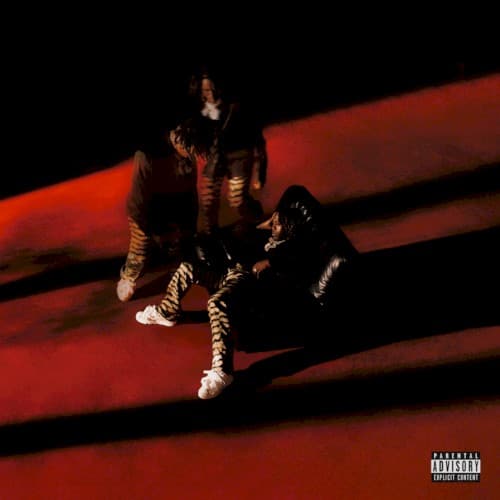
Life of a Don is built for how people actually listen, and it is better at that than at being an album. Sixteen songs fill about fifty-one minutes, and several barely clear two and a half. Each is designed to arrive, set a mood, land a hook and leave before the skip button gets pressed. That is a streaming-era strength, not a flaw, and Don Toliver understands it better than most of his peers. The problem is that the format only works while the voice at the center keeps doing something new, and by the back half it mostly repeats itself.
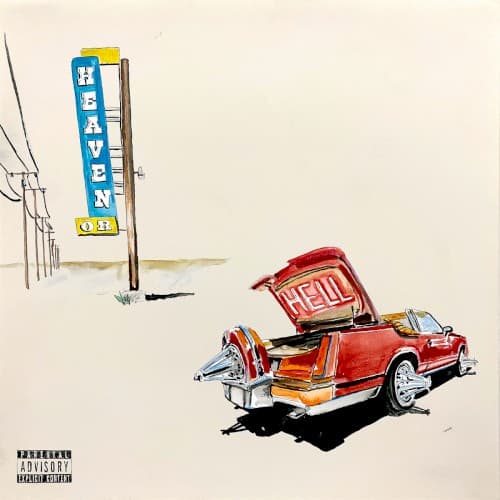
The argument here is that L.O.A.D. is a stronger playlist than album. Toliver's hazy, pitched melodic croon is the product, and the production around it is interchangeable by design: the credits run through Mike Dean, Mustard, Metro Boomin, Hit-Boy, Cardo, Sonny Digital and a long list of co-writers. The cumulative effect is a record that sounds expensive and consistent but rarely specific. The generally favorable reception reads it as a step forward from Heaven or Hell. It is closer to a step sideways with a bigger budget, and the scores here put it a little behind that debut.
The rollout supports the playlist reading. Two singles came before the album, and two more were released as singles, with videos, after it arrived, once listeners had shown which songs stuck. The first-week numbers say the same thing: a number two debut on the Billboard 200 with 68,000 units, only 18,000 of them pure sales. This is a record that lives or dies on streams, and its best songs earn them. What the format cannot do is turn sixteen good moods into one memorable argument.
None of this makes the album bad. When the hooks land, they land with a sheen that few melodic rappers of 2021 could match, and Travis Scott's Cactus Jack label gives the project a polished, immersive finish. The question for the rest of this essay is how much of that polish belongs to Toliver and how much to the machine around him.
Auto-Tuned Honey, Interchangeable Beats: What Actually Carries L.O.A.D.
Toliver's instrument is a high, elastic, heavily processed voice that turns almost any beat into R&B-adjacent trap. He is more singer than rapper, and the album knows it: verses are short, hooks are long, and syllables stretch to fit the melody rather than the other way around. That is the record's best idea and, repeated sixteen times, its main limit. What You Need and Drugs N Hella Melodies show what happens when the melody has a specific hook to hang on. A lot of the remaining songs have a mood but no such hook.
The production team is large, and the album hides the seams better than most multi-producer projects. Mike Dean is credited on five songs, and the shared glossy low end and synth haze probably owe a lot to that. Cardo and Hit-Boy bring firmer drums, Metro Boomin has two credits, and Mustard's contribution is one of the shortest songs in the set. The ensemble approach keeps the sound consistent, which is a clear advantage for a playlist, but it also means few beats have a personality of their own. Strip the credits away and many of the instrumentals could swap places without the listener noticing.
The writing is the weakest layer. Lyrics stay in the territory of nightlife, women, money and excess, rendered in broad strokes, and the lines function as rhythm rather than meaning. There is hardly a verse here that a listener would quote back, so the songs depend on hooks, and when a hook is merely pleasant the song vanishes the moment it ends. That would matter less if the sound changed more, but it does not. Across the second half in particular, similar tempos and similar vocal treatments make the songs run together.
The features are used economically. Travis Scott appears twice, Kali Uchis duets on one of the singles, and Baby Keem, HVN and SoFaygo fill out the guest list. The guests slot into Toliver's mood instead of disrupting it, which preserves the album's cohesion and also removes the surprise. None of them forces him out of his comfort zone, and none steals a song from him.
Delivery is the real strength. Toliver layers his vocals, doubles his ad-libs, and bends notes in ways that make simple melodies sound more elaborate than they are. His phrasing has a looseness that keeps the songs from sounding like a rigid pop formula, and the processing is tasteful enough that the voice stays human. If the album has a skill that its competitors lack, it is this control of tone from song to song. What it lacks is the second skill: an idea worth hearing in the gaps between hooks.
Sixteen Songs, Fifty-One Minutes: A Sequence Built for Shuffle
The sequence asks very little of the listener, which is the point. There are no skits, no interludes and no story to follow, and any song could move to a different spot without breaking anything. Xscape opens the record at just over two and a half minutes and gets straight to mood-setting, a confident way to start in an era when the first thirty seconds decide whether a song gets finished.
The first half is where the album does its work. All four singles sit within the first eight songs, so the record front-loads its audience: a casual listener who gets through the opening stretch has heard nearly everything the project is known for. The pacing there is brisk, with short songs, quick hooks and enough producer variety to keep the surface moving. Swagin’ on Westheimer is the one song that deliberately breathes, at nearly five minutes, and the slower pace works as a reset before the second run begins.
The second half is the weaker half. The songs get shorter and the hooks get less specific, and the sequence settles into a long stretch of similar tempos and similar vocal textures. There is no peak to build toward and no closing statement; the album ends because it runs out of songs, not because it has arrived anywhere. That is a common problem for records assembled with playlist logic, where every track is competing on its own rather than contributing to a whole.
Whether the length is earned depends on the standard. Sixteen songs under five minutes, with nothing that wears out its welcome individually, is easy to defend. But a tighter version of this album, perhaps twelve songs with the weaker back half trimmed, would have felt more like an album and lost nothing a listener would miss. In practice it is a record to shuffle rather than to sit through, and its sequencing seems to accept that.
A Bigger Machine, a Slightly Smaller Statement
Within Toliver's catalog, Life of a Don lands just behind Heaven or Hell. The debut had a tighter sense of identity and fewer hands on the controls; this follow-up trades some of that for polish, bigger names and a wider range of sounds, and the result is more consistent than it is distinctive. It was a clear commercial step up, with a number two debut, and the reception was generally favorable, with a Metacritic score of 72. He later reached number one on the Billboard 200 with Octane, which suggests the formula kept paying off even where this album shows its limits.
The record is for listeners who want a late-night playlist with a high floor: melodic trap fans, people who like R&B in their rap, and anyone who judges a song by its hook. Skip it if you listen for lyrics, storytelling or a producer with a signature sound. Five years on, the best songs still work as individual singles, which is exactly what a streaming-era album is supposed to deliver, and the weaker ones have not improved.
For a short introduction, start with What You Need, Drugs N Hella Melodies and Flocky Flocky. They cover the lead single, the Kali Uchis duet and the Travis Scott collaboration, which together show everything the album does well. If you like what you hear, go back to Heaven or Hell next to hear the same voice with a more focused identity. For the label's harder, more theatrical side, the Travis Scott catalog is the place to go.
Taken as a whole, L.O.A.D. rewards the streaming habit it was built for. The best advice is not to sit down with it but to play What You Need and then Drugs N Hella Melodies, and you have heard most of what the album does best in under seven minutes.
Track by track
Track Listing
XSCAPE
StandoutA short mood-setter that opens the record without a skit or a long build. Four credited producers, including Mike Dean, give it a hazy, atmospheric surface, and Toliver's voice does most of the work. It is an effective introduction more than a full song.
5X
SolidThe shortest song on the album at just over two minutes, produced by Cardo and Saint Mino. It works as a burst of energy, but it ends before it develops, more a playlist sketch than a fully built song.
Way Bigger
StandoutSonny Digital leads the production, and the song became a single after the album came out. The bounce and the confident hook make it one of the stronger cuts in the first half, even if the lyrics are mostly attitude.
Flocky Flocky
StandoutThe Travis Scott collaboration, produced by Cardo, Dez Wright and Mu Lean, and another song released as a single after the album. It is the closest the record gets to a harder trap sound, and the pairing of two stylized voices gives the three-minute runtime some contrast. Scott pushes the mood toward theatrical, while Toliver stays smooth. The chemistry is real, though the song leans on atmosphere more than on content, and it works because the two voices complement each other more than because either says anything. A good playlist track and one of the more replayable moments on the project.
What You Need
StandoutThe lead single and the clearest case for the album. Hit-Boy, Corbett and Sir Dylan build a spacious, glossy beat that leaves room for Toliver's melody to stretch across the hook. It runs a little over three and a half minutes, which makes it one of the longer songs, and the extra length is used for repetition that feels more like a trance than filler. The lyrics are generic, but the hook is specific enough to carry the song, and the performance shows his sense of control over tone. If you only play one track from the album, this is the one that explains why it was a hit.
Double Standards
SolidFive producers are credited here, yet it sounds like one coherent mood piece. The song has a pleasant drift, but nothing about it is memorable enough to stand out among its neighbors.
Swagin’ on Westheimer
StandoutThe longest song on the record at nearly five minutes, and the only place the album truly slows down. Metro Boomin and his co-producers give it a darker, more spacious setting than most of the surrounding material, and Toliver follows with a patient, drifting performance. It works as a reset in the middle of the sequence, a moment where the album trusts a mood to carry itself. It does not have the strongest hook, and the length could drag if you are not in the right headspace. But as a change of pace, it is one of the more distinctive choices on a record that rarely varies its tempo.
Drugs N Hella Melodies
StandoutThe second single, with Kali Uchis, produced by DJ Dahi, Loshendrix and Sir Dylan. This is the album's best duet because the two voices actually share the song instead of trading verses. Uchis brings a softer texture that contrasts with Toliver's processed croon, and the hook is easy to hum after one listen. The mood is romantic and woozy, and the arrangement gives both singers room to breathe. It also shows what the album could have been if more of its songs were built around a partnership instead of a vibe. A clear highlight and a good second entry point after What You Need.
2AM
SolidProduced by Sweet and under three minutes. A drifting late-night song that fits its title, but the hook is slight and the song disappears from memory quickly. Filler with good manners.
Get Throwed
SolidMustard's contribution is one of the shortest songs on the album. The beat is lean and bouncy, a bit different from the rest of the sequence, but Toliver's performance stays in his usual register, so the production change registers more than the song does.
Company Pt 2
SolidMetro Boomin returns with a smoother, more melodic backdrop. The title suggests a sequel, but it works fine on its own as a mid-album slow-down. Pleasant, competent and easy to skip.
OUTERSPACE
StandoutBaby Keem shares the credits as both guest and producer. The song has a spacier, more unusual shape than most of its neighbors, and the guest verse adds a different cadence to the run. It is a small change of texture rather than a highlight.
Smoke
WeakThe only song with two guests, HVN and SoFaygo, and the most crowded track on the project. The extra voices add variety but dilute Toliver's presence, and the hook is not strong enough to hold a posse-style arrangement. Among the weaker cuts.
You
StandoutThe second Travis Scott feature, with Mike Dean and Scott among the producers. It brings back the theatrical gloss of the earlier collaboration, and the two voices work well together. It is a stronger late-album entry than most, though it sits too far from the singles to get much attention.
Crossfaded
SolidShort, soft and produced by FKi 1st, Mike Dean and Blair Taylor. Its drowsy feel matches the title, and it fits the album's late-night mood, but it adds little that earlier songs had not already done. Filler, though pleasant.
BOGUS
SolidThe closer, produced by Cardo and two others, keeps the energy higher than most of the back half. It ends the album abruptly instead of summing anything up, in keeping with a sequence built for shuffle. A decent exit without a payoff.
Frequently Asked Questions
Is Don Toliver's Life of a Don good?
How did Life of a Don do commercially?
Who is featured on Life of a Don?
Is Life of a Don better than Heaven or Hell?
Styles