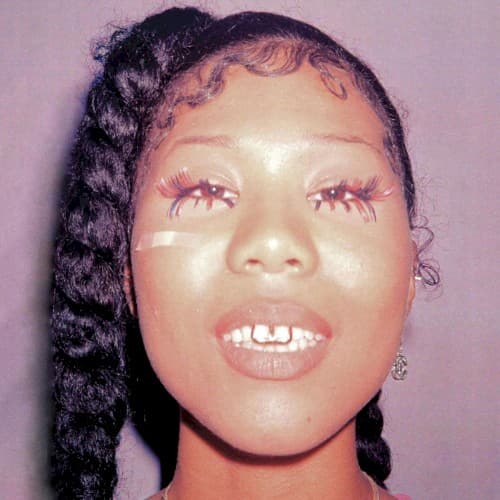
The scorecard
5.9/10 · Mixed
- Writing25%
- 5.5
- Production25%
- 7.0
- Delivery15%
- 6.5
- Cohesion15%
- 5.0
- Originality10%
- 5.0
- Replay value10%
- 5.5
The jabs at exes, rivals and younger rappers repeat the same few moves, and the most talked-about lines are cruelty without a punchline.
Slowed soul samples, a Daft Punk interpolation on "Circo Loco" and hard 808 drums make this the best-sounding Drake record in years, even with a dozen-plus beatmakers involved.
21 Savage's deadpan on "Rich Flex" and "Spin Bout U" is the best comic instrument here, while Drake's flat, sneering cadence stays the same song after song.
Four strong openers give way to a long, interchangeable middle, and the closer is a solo Drake complaint that deflates the duo concept.
The fake Vogue and Tiny Desk rollout was fresh, but the songs themselves recycle Drake's familiar grievances and 21 Savage's established menace.
A handful of tracks will keep returning to playlists, though the 6:39 "Hours in Silence" and the filler around it make full run-throughs a chore (a projection, given how recent the record is).
Drake and 21 Savage Her Loss: A Sneer in Search of an Argument
Her Loss works best when you stop treating it as a rap album about something and hear it as a performance of attitude. Drake and 21 Savage spend sixteen tracks sneering at unnamed enemies, ex-lovers and younger rivals, and the sneer is the entire product. For the first third of the record that is enough. Over the glassy, menacing beat of "Rich Flex," the two sound like they are enjoying each other, and the joke lands because the production is so expensive and the delivery so deadpan.
The thesis is simple: this is a good-sounding album with a thin argument, and the thinness shows more the longer it runs. Drake has long been the genre's best collector of other people's sounds, and here he and a crowd of producers assemble a handsome set of textures, from slowed soul loops to a dance-music interpolation. What the record lacks is a reason for the two voices to share it. A Clash critic wrote that 21 Savage can feel like a passenger at times, and that is fair for the back half, where Drake's grievances crowd the room and his partner's dry menace is used as seasoning rather than as a second lead.
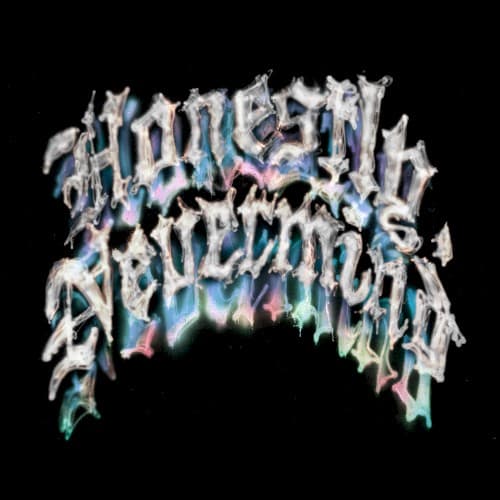
The stakes are bigger than one release. This is the closing chapter of what Drake called a trilogy after Certified Lover Boy and Honestly, Nevermind, and it is the chapter that shows what his current mode is: defensive, petty, immaculately produced. Set against rap beyond the United States, where the Toronto sound he helped export now sits comfortably beside British and African pop-rap hybrids that tend to anchor their swagger in slang and place, Her Loss is a strangely placeless record. It travels because the beats travel, not because the writing does.
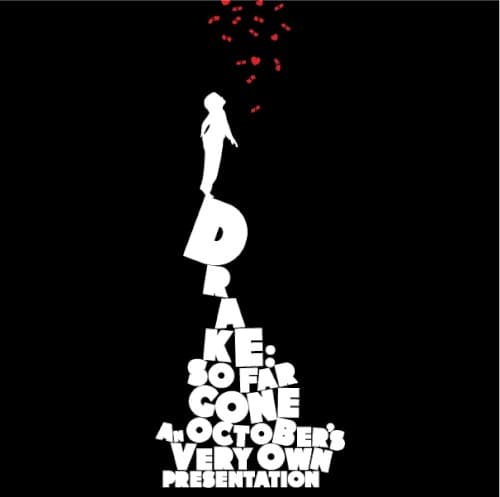
Against his own catalog it lands a notch above Certified Lover Boy, a little below Honestly, Nevermind, and well short of the run that made him, which still begins with Take Care. It is a fun record for roughly twenty minutes and a tiring one for the rest.
Expensive Beats, Cheap Grievances
The writing is where the record is most exposed. Drake's pen runs on a narrow set of subjects: women who profit from his money, men who owe him respect, and younger artists he finds unserious. These are not new targets, and one reviewer rightly called the foes well worn.
What changes is the temperature. On Certified Lover Boy the complaints were wrapped in melody and self-pity; here they arrive flat, as punchlines, and a punchline needs a victim who is in on the joke. Too often the victim is a named stranger, and the jabs read as petty rather than sharp. The album's most discussed lines, aimed at a rapper, an athlete's spouse and a woman who had spoken about being shot, drew heat for good reason: they are cruelty with no payoff, and the craft around them is ordinary. A rhyme scheme that merely works is not enough to carry an insult that needs to be funny.
21 Savage is the corrective when he is allowed to be. His delivery is slow, almost sleepy, and each line lands a half-beat behind where the ear expects it. That deadpan is the best comic instrument on the record, and the singles lean on it. But he is absent from four tracks and is outnumbered in the running time overall, so the pairing the title card promises is only occasionally there. The give and take that makes great duo albums, with two voices correcting each other, is replaced by alternating solos.
Production is the real strength. Boi-1da, Tay Keith, Vinylz, Wheezy, Metro Boomin, Oz, Taz Taylor, Lil Yachty and 40 all have credits, and the sheer number of hands should have produced a patchwork. Instead the record holds a consistent palette: dark pianos, slowed soul and R&B samples, drums that hit hard but leave space for talking. The sample sources, which include the Isley Brothers, Ginuwine, the O'Jays and the Diplomats, give the sneering a human warmth it does not earn in the verses, and Noah Shebib's mixing keeps the low end clean enough that the guitar-less, synth-led tracks never sound crowded. This is the part of the Drake formula that still travels: the Toronto sound of icy atmosphere and melodic undertow has been absorbed across rap abroad, and no one in the genre assembles it better.
Delivery splits the difference. Drake's flat, bullying cadence suits the material but stays at one temperature across sixteen tracks; he rarely sings, and when he does the hooks are slight. The weakness is not skill but range. A rapper this capable of changing registers chose, for most of an hour, not to.
Four Good Songs, Then a Long Corridor
Sequencing is the album's second big problem. The front end is well built: the opener sets the tone, the next few songs vary the tempo and the beats shift from glossy to sinister without losing the thread, and 21 Savage gets enough room to matter. By the time you reach the middle you have already heard the best version of what this record offers.
From there the pacing sags. Mid-tempo cuts with similar drum patterns and similar subject matter run into each other, and the short, sketch-like songs that Drake likes to scatter through his albums arrive without setting up anything that follows. "Hours in Silence" is the clearest case. At nearly seven minutes it is the longest song and the clearest sign that nobody trimmed. It wants to be a brooding centerpiece, but the beat drifts rather than builds, and the verses do not give it a destination. Even placed late, it would test patience; placed in the middle, it drains the momentum of everything around it.
There is a recovery. "Treacherous Twins" restores the chemistry of the early tracks, with both rappers on the same wavelength and a beat that rewards the sneering rather than hiding behind it. After it, the record keeps promising a second wind and delivering only brief flashes.
Sixteen songs is too many for a collaborative record with this much shared material. A tight twelve, cut from the middle and the closing stretch, would have read as a confident, nasty little album. At full length, the sheer repetition of tone makes the whole feel more like a content dump than an arc, and the final song does the duo concept no favors by leaving Drake alone to complain.
A Bright Mid-Table Finish for Drake
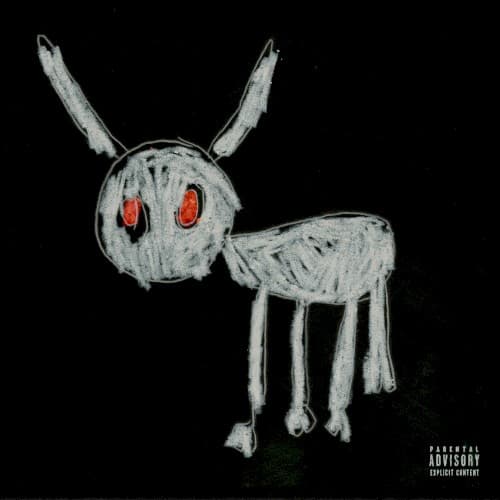
In the Drake catalog, Her Loss sits in the middle of the current era and well below the peak. It is a better record than Certified Lover Boy, Scorpion and For All the Dogs because its beats are sharper and its tone is committed rather than hedged. It falls short of Honestly, Nevermind on ambition and of Take Care on feeling. Its lasting issue is that the entire pose depends on being fun, and fun does not survive a middle that coasts. The reception reflects that split: some critics praised it as fan service done well, others heard a predictable sequence of grudges, and both camps are partly right.
It is for listeners who want Drake in his loud, spiteful mode and who enjoy 21 Savage's unbothered voice. It is also a useful record for anyone tracking how North American rap's sound has spread, since the textures here are the ones imitators keep reaching for. Skip it if you come to Drake for his sad, confessional songs, or if you expect a duo record that gives both artists equal weight. The Savage fan who wants his sharpest work should go to his own albums, and the Drake fan who wants emotional range will find little.
Start with "Rich Flex," which gets the balance right, then "Treacherous Twins," where the chemistry is strongest, and then "Pussy & Millions" for the record at its most hypnotic. If you want to hear what Drake does with feeling and a real argument, go to Take Care next. If it is 21 Savage you came for, I Am > I Was is the better proof of what he does when a record is his.
The record will age as a snapshot of a rapper who could still make the best beat on the block sound lived-in and who had stopped trying to make you care why he was angry.
Track by track
Track Listing
Rich Flex
StandoutThe opener is the record's best argument for itself. The beat, built by Vinylz, Tay Keith, FnZ and BoogzDaBeast, mixes a horror-film score sample with a soul loop and nods to older rap hits, and it moves with a lazy menace that suits both voices. Drake plays the bored millionaire, 21 Savage answers in his slow, dry register, and the two split the track without fighting for it. It is funny without trying too hard, which is a skill neither rapper uses enough later. If a stranger asks what Her Loss sounds like, this is the song to play.
Major Distribution
WeakA mid-tempo cut over a pretty Elijah Fox sample that never finds a hook or a point. One reviewer called it aimless, and the verses do little to argue otherwise.
On BS
SolidOz and Elyas give both rappers a slick, rolling beat that runs a little long at 4:21. 21 Savage is the steadier presence, Drake leans on petty asides, and the two never quite trade energy. It is competent and better live than on record, as the Saturday Night Live spoof performance suggested.
BackOutsideBoyz
WeakA short solo Drake piece at 2:32, mostly taunts aimed at younger artists. The beat has a bouncing, scratchy energy, but the writing is the album's pettiest and it does not earn its place as a follow-up to the opening run.
Privileged Rappers
StandoutA soulful Isley Brothers sample gives the song a warm, lopsided glide, and the rappers sound relaxed over it. The beat does most of the work, but both men find a groove and the short length keeps it from overstaying. It is a quiet highlight of the opening third.
Spin Bout U
StandoutThe slow-jam single, built by Banbwoi and 40 around an R&B sample, is the closest the record gets to romance. Drake's melodic side finally appears, and 21 Savage's gruff, monotone verse makes a great contrast with the silky hook. It is lighter than the rest of the album and is better for it, a reminder of how much range the pair left unused.
Hours in Silence
SolidAt 6:39 this is the album's longest song and its biggest sag. Five credited producers and a murky sample give it a dark, floating mood, but the beat drifts without building, and the verses wander over it. It is atmospheric enough to enjoy on its own late at night. Placed in the middle of the sequence, it kills momentum.
Treacherous Twins
StandoutA glossy Ginuwine sample, plus drums from Noel Cadastre and Oz and production help from Boi-1da, gives the two voices a lush bed to talk over, and this is where the duo finally behaves like one. Rolling Stone called it a clear standout in an otherwise negative review, and that is hard to dispute. The verses trade jabs with real timing, the hook is tight, and neither rapper overstays. After the first few tracks, this is the moment the album's premise pays off. It shows what the whole record could have been with fewer detours.
Circo Loco
SolidBoi-1da, Tay Keith and 40 build the beat around elements of Daft Punk's "One More Time," an inspired and slightly absurd choice that works as a dance-floor flip. The music is the best part of the single. The verses are the lightning rod: one line was widely read as a joke about a woman's shooting allegations, which drew a public rebuke and overshadowed the song. The craft is sharp, the taste is not, and a good record would have cut the line.
Pussy & Millions
StandoutTravis Scott is the album's only guest, and his hook brings a woozy, drifting color that the rest of the record lacks. The beat, assembled by a team including Cheeze Beatz, Go Grizzly and Lil Yachty, is spacious and hypnotic, and both rappers sound looser than elsewhere. Reviewers named it a standout, and it is the most replayable song of the second half.
Broke Boys
StandoutA hard, bouncing beat from Wheezy, Tay Keith and others lets 21 Savage snap into a tougher mode. It is a straightforward banger with little surprise, but it holds attention and breaks the mid-album slump.
Middle of the Ocean
SolidDrake alone for almost six minutes over sampled Diplomats and O'Jays material, a soulful layered beat that is among the record's best. He is at his most fluent here, rolling through boasts and score-settling with an easy cadence. The problem is the targets: a mention of an ex-girlfriend and her husband became a story of its own and pulled attention away from the music. Strong rapping, small-minded subject.
Jumbotron Shit Poppin
WeakA 2:17 solo sketch with nine credited producers, which says everything about its lack of shape. It plays like a half-finished idea, and it is the clearest filler in the back half.
More M’s
StandoutMetro Boomin, who also handled the mix on this one, supplies a clean, clipped beat that feels like a reset after the sketch before it. Both rappers sound sharp and briefly focused, and the cut is short enough to leave you wanting more. Solid, not special.
3AM on Glenwood
Standout21 Savage gets the stage alone, over a dark Oz, Iskander and 40 beat, and finally has the room his flat, controlled voice needs. It is the clearest proof that he is a lead, not a passenger, and the most natural-sounding track in the closing stretch. A late-album bright spot that makes you wonder why the record did not give him more of this.
I Guess It’s Fuck Me
SolidDrake closes alone with a self-pitying song over a melodic beat from The Loud Pack. It is the album's most emotional moment, but it undercuts the duo concept and feels like a leftover from another project. Neither sad enough to move you nor angry enough to fit.
Frequently Asked Questions
Is Her Loss by Drake and 21 Savage worth listening to?
How does Her Loss rank among Drake's albums?
Who produced Her Loss?
How did critics receive Her Loss?
Styles