Logic Under Pressure — The Kid Who Made Rap Fans Believe in Debut Albums Again
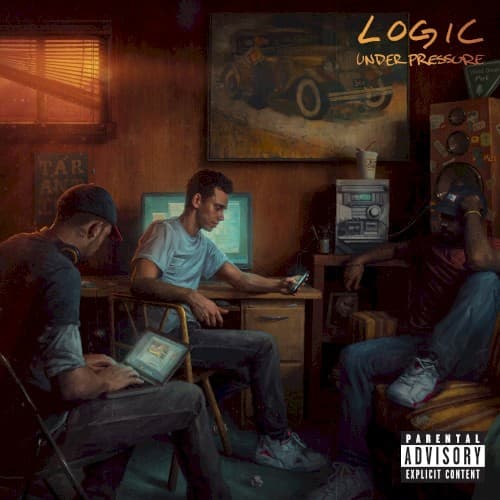
No other debut in the 2010s announced itself with this much hunger and this little apology. The kid from Maryland arrived with something most young rappers no longer had the patience to build: a cohesive album that demanded you listen front to back without skipping. Where most debuts feel like collections of singles hoping one sticks, this felt like an argument — forty-seven minutes insisting that technical skill, narrative structure, and artistic vision still mattered in an era increasingly dominated by playlist culture and streaming singles.
The Maryland underground had been buzzing about him for years, watching YouTube freestyles rack up millions of views, sensing something different. When Def Jam finally gave him the budget and the green light, the pressure was absurd. Debut albums in 2014 were supposed to be focused on radio hits and features. He gave them a concept album about anxiety, identity, and the cost of ambition.
Radio was chasing trap production and minimalist flows. He came back with boom bap drums, soul samples, and sixteens that refused to stop until the story was told. The gamble was simple: bet that enough listeners still cared about the craft itself. But would they?
The opening track does not ease you in.
It throws you into the deep end of his psyche, unapologetic about the demons he is working through. By the time the album reaches its closing stretch, you understand why he needed to make this exact record at this exact moment in his career.
The Sound of Someone Proving They Belong
The production sounds like someone studied every 90s classic and decided to build a modern album using those blueprints without trying to reinvent them. No Idand 6ix anchor most of the album, crafting beats that pull from Tribe, early Kanye, and that Reasonable Doubt era soul-chop aesthetic without feeling like nostalgia bait. The drums knock hard but leave space for the rapping. The samples are lush but never overwhelming.
Everything here serves the bars.
His delivery sits somewhere between the technical precision of early Eminem and the conversational storytelling of Nas, which is a dangerous comparison to invite, but he commits fully. The flow switches are constant — internal rhyme schemes stacking on top of each other, cadence shifts mid-verse, pockets found in unexpected places. When he locks into a groove, it is obvious. The issue is consistency.
Some tracks feel overstuffed with technique, bars piling up without emotional breathing room. He is so focused on proving he can rap that he occasionally forgets to let the song breathe.
Thematically, the album wrestles with the gap between where he came from and where he is headed — financial struggle, family addiction, the psychological toll of chasing validation through music. It is deeply personal without feeling confessional in the way that requires trigger warnings. He is not wallowing. He is processing.
The honesty lands because it never feels performative. But the album is not flawless. The back half drags slightly. A few tracks blur together in the middle stretch.
And while the storytelling ambition is admirable, some narrative threads feel rushed in their resolution. Still, the problems here are the problems of someone swinging for the fences, not someone playing it safe. Is that not exactly what a debut should do?
The Journey from Survival to Self-Destruction
The opening stretch hits like someone who has been waiting years to say everything at once. The first three tracks establish the hunger, the technical ability, and the thematic foundation without wasting a single bar. By the time the fourth track arrives, you are already invested in his survival. The sequencing here is deliberate — each song builds on the last, creating momentum that carries through the album's first half.
The middle section stumbles slightly, caught between maintaining the intensity and offering moments of levity that do not always land. The pacing slows when it should accelerate.
But the closing run is where the album justifies its concept. The final three tracks form a narrative arc that recontextualizes everything that came before, turning what could have been a collection of strong songs into a cohesive statement. The title track, positioned near the end, functions as both climax and exhale — the moment where all the anxiety, ambition, and self-doubt finally crystallize into clarity.
The album does not end on triumph. It ends on acceptance. That choice makes it more honest than most debut records, which tend to close on victory laps. He understood that the real pressure was not proving himself to the industry — it was proving himself to himself.
The Debut That Defined the Ceiling
This sits at the top of his discography, and the albums that followed only made that more obvious. Everything after this has felt like attempts to recapture what came naturally here — the focus, the hunger, the willingness to be vulnerable without turning it into brand identity. This is the album for listeners who still care about bar-for-bar rapping, who appreciate albums with narrative arcs, who want to hear someone actually trying to make a complete artistic statement instead of chasing algorithmic playlist placement. It is not for casual listeners expecting bangers or hooks designed for TikTok.
It demands attention. Fans of early Kendrick, J. Cole's debut run, and that mid-2010s wave of technically skilled lyricists will find plenty to love here. Twenty-year-olds discovering 90s rap for the first time through YouTube algorithms will appreciate how this bridges eras without feeling like cosplay. The album aged well because it never tried to sound like 2014.
It tried to sound timeless, and mostly succeeded. Start with Soul Food if you want the thesis statement. Under Pressure and Nikki if you want the emotional core. Growing Pains III if you want to understand where his storytelling instincts come from.
For context, fans of this should explore J. Cole's 2014 Forest Hills Drive, Kendrick Lamar's Section.80, and early Mac Miller projects like Watching Movies with the Sound Off. The influence of 90s East Coast rap is obvious, but the execution is pure 2010s — technical skill meeting modern production sensibilities, introspection replacing braggadocio as the default mode. He never made another album this focused. That is not a diss — this is just what happens when hunger meets opportunity at the exact right moment.
Track Listing
Intro
▲Atmospheric scene-setting that immediately establishes the album's thematic weight. Sparse production, vulnerable vocal tone, and a refusal to ease the listener into comfort. Functions more as overture than traditional intro, planting narrative seeds that pay off across the album. The production choice to strip everything down before the boom bap arrives was smart — it makes the transition into Soul Food hit harder. Short enough to avoid self-indulgence, substantial enough to justify its existence.
Soul Food
▲This is the mission statement, and it does not waste a second. No ID's production is pure 90s soul revival — warm piano loop, punchy drums, bassline that never quits. The bars come relentless, internal rhyme schemes stacking like someone trying to prove they studied the greats without copying them. He name-checks influences, addresses critics who doubted the come-up, and establishes the emotional stakes all within the first verse. The hook is simple but effective, giving breathing room between verses that otherwise refuse to let up. The second verse shifts into autobiography, painting the financial struggle and family dysfunction without melodrama. The flow switches midway through, finding new pockets in the beat, proving the technical skill is not just showboating. The bridge into the final verse is where the storytelling clicks — you realize this is not just bars for the sake of bars, this is the origin story he has been waiting years to tell properly. The track ends abruptly, no fade, which works because it creates urgency going into the next song. One of the strongest opening statements in 2010s rap, and he knew it when he sequenced it here.
I'm Gone
▲The most radio-ready moment on the album, and it works because he does not compromise the bars to chase the hook. The production from C-Sick is brighter, more uptempo, built for repeat listens. This is confidence on display — the kid who made it out, looking back at everyone who did not believe. The hook is infectious without being corny, which is a tough balance most young rappers miss. The verses maintain the technical precision from Soul Food but ease up on the density, letting the cadence do more of the work. It is a victory lap, but it is earned. The sequencing choice to place this early is deliberate — establish the hunger, then show the payoff, then spend the rest of the album complicating that success. Smart.
Buried Alive
▲The darkest moment on the album, and it does not flinch. The production feels claustrophobic, minor-key piano and muted drums creating a sense of suffocation that matches the lyrical content. He is writing about depression, anxiety, and the fear that success will not fix what is broken inside. The vulnerability here is raw without being performative — no crying for sympathy, just honest documentation of what that mental state feels like. The flow stays controlled even when the content spirals, which creates an eerie contrast. The second verse digs deeper, addressing the external pressures that compound the internal struggles, and the bars about family expectations hit harder than any flex about cars or chains. The bridge is where the emotion cracks through, and it is one of the few moments on the album where you hear him lose the technical perfection in favor of just feeling it. That choice makes the track human. The ending does not offer resolution, which is the point — this is not a problem you solve in three minutes.
Bounce
▼The attempt at a club record, and it is the most skippable moment on the album. The production aims for anthemic but lands closer to generic, and the hook feels like it was written to justify radio play that never came. The bars are solid, the flow is on point, but the song does not serve the album's larger narrative. It feels like label pressure manifested in a single track — throw something on there that can be a single. The issue is not that he cannot make a banger, it is that this particular banger does not feel necessary. The sequencing does not help either, dropping this between two of the album's heaviest emotional moments. It breaks the momentum. Skip it.
Growing Pains III
▲The third installment of a series that had been building across his mixtapes, and the storytelling here is airtight. This is not just continuation for the sake of nostalgia — it is evolution. The production is warm, soulful, built around a sample that feels like memory itself. The first verse sets the scene with specificity — names, places, moments that feel too detailed to be fabricated. The flow is conversational, which makes the emotional beats land harder when they arrive. The second verse shifts perspective, showing the other side of his come-up, the people who did not make it out, the guilt that comes with success when your friends are still stuck. The bridge is where the vulnerability breaks through, and his voice cracks just slightly, enough to remind you this is not technical exercise, this is lived experience. The final verse brings it full circle, addressing where he is now and how the past still haunts the present. The outro lets the instrumental breathe, and the choice to end without a big final statement is perfect — some stories do not resolve, they just continue.
Never Enough
▲The production here is more experimental, glitchy synths and off-kilter drums that create unease. The concept is ambition eating itself — no matter how much success he achieves, the hunger never stops, the pressure never lifts. The hook captures that treadmill feeling, repetitive by design, hypnotic in a way that mirrors the lyrical content. The verses dig into the psychological cost of chasing validation through metrics — streams, sales, critical praise, none of it filling the void. The flow stays controlled but the cadence shifts constantly, never settling into comfort, which reinforces the theme. The second verse gets darker, addressing the ways success isolates you from the people who knew you before. The bridge is sparse, just his voice and minimal production, and it is one of the most effective moments on the album. The outro does not resolve the tension, because the point is that there is no resolution when the pressure is internal.
Metropolis
▲The superhero concept track, and it works because he commits fully to the metaphor without letting it become gimmick. The production is cinematic, big strings and dramatic drums, creating a sense of scale. The first verse establishes the origin story, using comic book language to talk about feeling like an outsider, someone with powers the world does not understand yet. The hook is anthemic without being corny, which is the tightrope this kind of concept track has to walk. The second verse flips the metaphor, revealing the cost of being the hero — the isolation, the expectation, the weight of saving everyone while no one saves you. The flow is technical but never loses the emotional thread, and the internal rhyme schemes are some of the densest on the album. The final verse brings it back to reality, dropping the metaphor to address the actual pressures of being the artist everyone expects to save the culture. Smart sequencing choice to place this late in the album, when the themes have already been established and the metaphor can do more work.
Nikki
▲The narrative twist track, and it is both the album's most ambitious moment and its most divisive. The production is eerie, unsettling, minor-key piano and distant vocals creating a horror movie atmosphere. The first verse sets up what sounds like a love song, detailed and intimate, and the writing is strong enough that you believe it. The second verse deepens the relationship, showing codependency and obsession, and the red flags start appearing in the subtext. The hook is haunting, repetition creating unease. The third verse is where the reveal happens, and the narrative flips completely — Nikki is not a person, Nikki is the addiction, the obsession with music, the thing that saved him and destroyed him simultaneously. The twist works because he planted the clues throughout, and on relistens the double meanings become obvious. The outro lets the weight sit, no grand statement, just the reality of what he just confessed. It is the kind of storytelling risk that either lands perfectly or collapses under its own cleverness. Here, it lands. The placement right before the title track is deliberate — strip away the artifice before delivering the thesis statement.
Under Pressure
▲The title track and emotional climax, ten minutes of unfiltered autobiography that justifies every minute of its runtime. The production is minimal at first, just piano and his voice, creating intimacy before the drums eventually arrive. The first verse is pure origin story, the details so specific you can see the apartment, smell the struggle, feel the desperation. He is not dramatizing for effect, he is documenting. The flow is conversational, letting the story drive instead of the technical flex, which makes the bars hit harder. The second verse shifts to his parents' relationship, the addiction, the dysfunction, and the writing here is some of the best on the album — empathetic without excusing, honest without exploiting. The third verse addresses his own mental health, the anxiety that came with success, the fear of losing everything he worked for. The fourth verse is the breaking point, voice cracking, emotion overwhelming technique, and it is the most human moment in his discography. The outro is a phone conversation with his father, unscripted, raw, and it recontextualizes everything that came before. The decision to include that conversation was risky — it could have felt manipulative or overly sentimental — but it works because the rest of the album earned that vulnerability. This is the track the entire album builds toward, the reason the concept matters, the justification for calling it Under Pressure. It is exhausting in the best way, and it is the moment that separates this from just another good debut.
Till the End
▲The closing track, and it serves as exhale after the emotional heaviness of Under Pressure. The production is warmer, more optimistic, built around a soulful sample that feels like sunrise after a long night. The hook is simple, a promise to keep going, to survive, to push through. The verses are reflective, looking back at the journey the album just documented and looking forward to what comes next. The bars are solid but not overly dense — this is not the place for technical flexing, this is the place for closure. The second verse addresses his team, his family, the people who believed when no one else did, and the gratitude feels genuine. The outro lets the instrumental play out, no grand final statement, just the sense that the story continues beyond the album. The sequencing choice to end here instead of on the title track is smart — give the listener a moment to breathe, to process, to come back down from the emotional peak. It is not the strongest song on the album, but it is the right way to close this particular album.