The scorecard
6.8/10 · Good
- Writing25%
- 6.5
- Production25%
- 7.0
- Delivery15%
- 8.0
- Cohesion15%
- 6.5
- Originality10%
- 6.0
- Replay value10%
- 6.5
Sincerity does the work that detail should, so the stories of struggle and the come-up read as true but stay broad, with few concrete images to hold onto.
The beats stay clear of the vocals and the borrowed melodies from Ruth B and Tupac give the hooks an instant grip, but the instrumentals rarely do more than frame the voice.
A cracked, pleading tenor that moves from croak to falsetto to clipped rap cadence, and it sells every line without sounding mannered.
Nineteen songs with no skits and almost no dead weight keep the mood steady, though the middle sags into similar midtempo ballads.
It sharpens the melodic-trap template he already worked in rather than extending it, but few peers were crossing church-style vocals with quiet-storm beats this plainly.
The short songs and consistent tone make it easy to return to, and the emotional directness should keep it listenable, though that is a projection from a record only a few years old.
Rod Wave SoulFly: A Voice That Out-Sings Its Own Beats
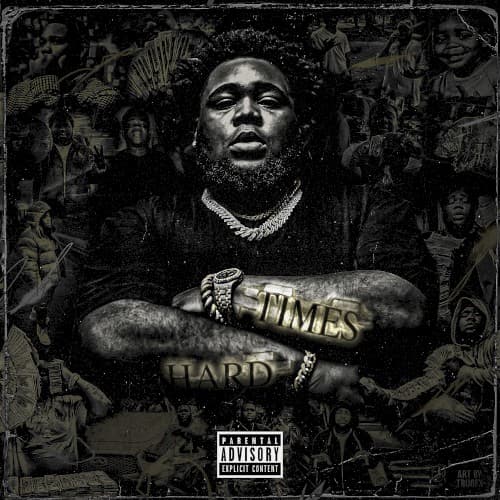
The best argument for SoulFly is that almost nobody else in rap in 2021 was willing to be this plain about being sad. Rod Wave does not wrap his hurt in punchlines, flexes or a villain's posture. He sings it, croaks it and sometimes rasps it, and the effect is closer to a testimony than a trap album. That directness is the record's whole strength, and also the thing that keeps it from becoming more than a very good mood.
The thesis is simple: this is a vocal performance first and a rap album second, and as a vocal performance it is excellent. The writing is sincere but general, and the production does its job without ever demanding attention, so the album lives or dies on whether you buy the voice. If you do, the nineteen songs flow with unusual consistency. If you want the lyrics to build scenes or the beats to push back, you will find a ceiling.
The streaming context is part of why it worked. The album arrived after a delay and a public dispute with his label, then posted the biggest streaming week of 2021 for an R&B/hip-hop album at the time, 189.2 million on-demand streams, and fourteen of its nineteen tracks entered the Hot 100. Those numbers describe an audience that treats his catalog as a mood to live inside rather than a set of singles. SoulFly fits that habit better than most albums built for it, because its songs are short, its tone is steady and it does not ask the listener to leave the room.
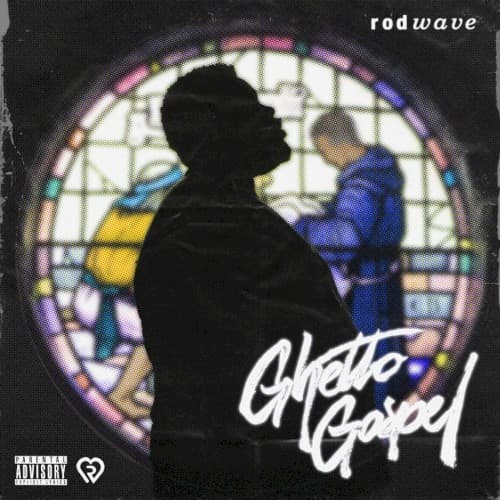
It also marks his first number one on the Billboard 200, but the more useful comparison is with what came after. Next to the later and longer Beautiful Mind, this is the leaner and more cohesive record, even if the later one has the stronger hooks. Set against his earlier Ghetto Gospel, it shows how far his control and his melodic instincts have moved. For the broader career, the Rod Wave page collects the rest of the discography.
Sincerity Over Detail: How a Cracked Voice Carries Thin Material
The first thing to understand about SoulFly is that the voice is the instrument and everything else is arrangement. Wave moves among a worn, grainy low register, a pleading upper range and a compact rapped cadence, and he changes between them within a verse without losing the line. Critics who praised the album consistently pointed first to his vocals, and that is the right place to start. There is real technical craft in how he places a held note and lets it crack at the end, and it is what turns generic phrases into things that land.
The production team is large, with TnTXD, Tahj Money, Karltin Bankz, LondnBlue, Taz Taylor and others each contributing, but the album sounds like one hand. Melodic loops, soft drums and plenty of space around the vocal keep the mix clean, and nothing competes with the singing. That is also the limit. One reviewer called the instrumentals trite and said they put a ceiling on the album's potential, and the criticism is fair: the beats are well-built frames rather than ideas. A few borrowed melodies add some color, including a Ruth B sample, a Tupac sample and a Drake sample, and these give particular songs an immediate hook. But the sample choices read as recognizable shortcuts more often than as inventive reworkings.
The writing has the same shape as the production: sincere, serviceable and general. Wave writes about struggle at home, the strain of loss and the odd mix of gratitude and bitterness that comes with money arriving. The feeling is believable, and one reviewer described the lack of wit being made up for by emotion, which is as fair a summary as any. What is missing is specificity. Songs tell you about pain without giving you the kitchen, the street or the phone call. Nothing here approaches the storytelling of a rapper working in the same vein with more detail, and as a result the lyrics tend to be remembered as a feeling rather than as lines.
There is also a mild problem with range. The album has one mood and holds it, which is what makes it cohesive, but it also means that songs of similar tempo and temperature begin to merge. Wave pushes against it on the occasional harder track, where his rapping tightens and the drums sharpen, but those moments are rare and the album does not build on them.
The single guest appearance is Polo G, and it is deliberately minimal. Wave said he had not planned any features, and the record plays as a solo statement for that reason. It does not need outside help to sustain interest, but it also leaves nobody to disagree with the central voice. What the album gets right is restraint: no bloat, no filler skits, no attempt at a genre switch that might have broken the spell. It is a modest ambition, fully carried out.
Nineteen Short Songs and a Mood That Never Breaks
Sequencing is the strongest argument for this record over its successor. Nineteen songs run just under fifty-seven minutes, most of them between two and three and a half minutes, and the pacing is tidy. The opening run establishes the voice and the stakes early, the singles are spread through the first half without clustering, and the album avoids the long dead stretch that sinks many streaming-era projects. There are no skits, no interludes, and nothing that feels like a contractual obligation.
The tone is unusually steady. Nearly every song sits in the same emotional range, and that is a deliberate choice rather than a failure of imagination. It makes the album easy to put on and let run, and it gives each song a framing that the previous one prepared. The risk is the middle, where several mid-tempo ballads in a row blur together and the energy flattens. Anyone sampling at random will find a good song; anyone listening in order will notice that the second quarter is the least differentiated part of the record.
The longest songs on the album, Don’t Forget and Street Runner, are also two of the places where the sequence gets its best payoff. They are given room to build, and Wave uses it to let the vocal grow rather than rush the hook. The shorter songs around them keep the pacing from sagging. Few records in this lane manage to be both concise and emotionally continuous, and this one does it by trusting the voice to carry a steady tone rather than by forcing contrast.
The length is earned. Nineteen tracks is on the high side for a melodic rap album, but because the songs are brief and the mood consistent, the runtime never feels padded. A couple of tracks could be cut without loss, yet the album would not improve much by trimming, which is the better measure. It ends in a way that feels like a conclusion rather than a fadeout, and the last stretch recovers a bit of the opening energy. It is a sequence built for a listener who wants to stay in one room for an hour, and it respects that.
The Tighter Record, With a Ceiling You Can Hear
SoulFly earns a good-to-strong grade because its flaws are consistent and its strengths are rare. Wave's voice is one of the most distinctive in melodic rap, the sequencing is disciplined, and the album delivers its emotional promise without wasting time. The ceiling comes from the writing and the beats, which are good enough to support the singing but not strong enough to elevate it.
In the catalog, it sits above Ghetto Gospel, which is rated 6.2 here, because the vocals, hooks and mix are all clearly better. It also sits slightly above the later Beautiful Mind. The later record has sharper hooks and a more polished surface, but it runs five songs longer, includes a skit and loses focus in the back half. SoulFly is the more complete album, and completeness is what decides the order.
This is for anyone who wants a first Rod Wave album, and for listeners who respond to raw emotion over lyrical density. Skip it if you want elaborate rhyme schemes, varied production or a rapper who tells stories with names and places. As for how it has aged, the directness has held up well, and the songs that leaned on borrowed melodies still sound instantly familiar. It will probably be remembered as the record where his approach became widely heard.
Start with Street Runner, which shows the voice and the melodic instinct at full strength. Then play Gone Till November for the sample-driven side of the sound, and Richer for the one guest appearance that actually fits. If it works for you, continue to Beautiful Mind for a more polished but longer take on the same idea, and Ghetto Gospel to hear where the sound started. The album is at its best when it lets one cracked high note say what a whole verse could not.
Track by track
Track Listing
SoulFly
StandoutThe title track opens the album by setting the voice front and center, with a melodic loop that stays out of the way. It establishes the mood of weary determination that the rest of the record keeps, and at just over three minutes it is brisk for an introduction. The writing is general rather than specific, but the performance carries it.
Gone Till November
StandoutBuilt on a sample of Tupac's Dear Mama, this one invokes a familiar emotional language of family, absence and gratitude. Wave sings it with a rough tenderness that justifies the borrowing. The song is brief and focused, and the sample choice is the clearest example of the album trading on recognizable emotional shorthand. It works because he does not try to outdo the source, and instead leaves room for the personal weight of his own voice.
Blame on You
SolidA short relationship song with a clean hook. The performance is committed, though the writing sticks to broad accusation.
Don’t Forget
StandoutThe longest track in the opening half and one of the places where the album slows down and lets the vocal build. The extra time allows him to stretch the chorus and push into a more strained upper register. It is a reflective song about holding on to where he came from, and its slower build gives it more weight than the shorter ballads around it. The writing is still general, but the pacing makes it feel considered, and it works as the record's first real emotional peak.
Tombstone
StandoutA lead single with a hard-edged title and a hook that sticks quickly. It is one of the more rhythmically pointed songs on the record, and Wave pushes his phrasing closer to rap than to ballad singing. The song became a live showpiece, but on record it is a sturdy, if familiar, piece of melodic trap.
All I Got
SolidA gratitude-and-grind track with a steady groove. Pleasant and sincere, but it sounds like several of its neighbors.
Richer
StandoutPolo G supplies the only guest verse, and the pairing works because their tones are compatible rather than competitive. Wave anchors the hook, and the song speaks to the mixed feelings of money arriving, which is where the album's writing is most distinct from its broader pain. A solid single and a sensible use of the lone feature.
Street Runner
StandoutThe emotional center of the album. A sample of Ruth B gives the song a soft, almost lullaby-like melody that Wave bends toward despair, and critics singled it out as a tearjerker for good reason. The vocal is plaintive but never theatrical, and the song gives the chorus space to land without overstaying its welcome. It is one of the few cuts where the production and the performance meet as equals, and it shows what the record can do when the beat gives the voice something to work against. It is easily the first track to play.
Pills & Billz
SolidA short, tougher track about vices and money that gives the record some bite. It is more of a mood than a story, but the shift in tone is welcome.
How the Game Go
SolidThe shortest song on the record, and it moves fast. Wave keeps the verses tight and the hook simple. Efficient, and slightly forgettable.
Shock da World
SolidA more ambitious, forward-looking cut, with a hook that aims for a bigger, more triumphant feel. The performance is strong, though the writing is closer to a motivational statement than a story.
What’s Love??
StandoutA bruised love song in the quiet-storm mold that Wave handles well. The vocal carries the weight, and the hook is memorable.
Omdb
StandoutA Drake sample is the hook here, and the transformation is the interesting part: a polished pop-rap melody gets turned into something darker and more personal. It is another example of the album's borrowed-melody approach, and it works because Wave sells the new meaning.
Invisible Scar
SolidA reflective song about pain that does not heal visibly. The title is more evocative than the writing, but the vocal is committed and the hook sticks.
Calling
SolidA short, simple track that feels like a placeholder in the sequence. Nothing is wrong with it, and nothing stays with you.
Sneaky Links
SolidA moody track about secretive romance. The mix keeps the vocal close and intimate, and the song has a pleasant, slightly sinister late-night feel.
Believe Me
SolidA pleading, direct song where the hook leans on repetition. It works in the moment and blurs in memory, like much of the back half.
Moving On
StandoutA recovery song with a lighter, more hopeful touch than much of the album. The change in mood is gentle but useful, and it signals the record's turn toward its closing stretch.
Changing
StandoutThe closer ends on reflection rather than a flourish, with a calm, unhurried vocal about growth and the distance from who he used to be. It is a quiet and fitting last track, built on a patient loop that lets the singing do the work. It does not attempt a grand finish, which suits an album that never reached for grandeur, and it leaves the listener with the same steady tone the record began with. Not a standout, but a well-judged ending.