From Child Prodigy to Avant-Garde Architect: Earl Sweatshirt's Singular Path
Thebe Neruda Kgositsile emerged as Earl Sweatshirt in 2010, a 16-year-old phenomenon whose technical facility and morbid imagination immediately set him apart from his Odd Future collective peers. His debut mixtape Earl showcased a preternaturally gifted lyricist with a taste for horrorcore imagery and dense internal rhyme schemes that seemed impossible for someone barely old enough to drive. That early notoriety came with complications—a controversy-driven absence that became formative rather than destructive.
Returning from a boarding school stay in Samoa that coincided with Odd Future's mainstream breakthrough, Earl faced the peculiar challenge of meeting expectations built around his absence. His major-label debut Doris (2013) arrived as his former crew mates were riding commercial momentum, but Earl was already pulling away from accessible hooks and radio consideration. Each subsequent project has represented a deeper retreat into abstraction, a willful shedding of traditional song structure in favor of atmospheric experimentation.
What makes Earl Sweatshirt essential isn't commercial dominance or crossover appeal—it's his commitment to using rap as a vehicle for processing grief, depression, and displacement through increasingly fractured sonic landscapes. He's carved out space for drumless beats, sample collages that feel like decaying memories, and stream-of-consciousness verses that reward close reading. His influence on underground and alternative hip-hop has been profound, proving that technical excellence and emotional rawness can coexist with radical formal experimentation.
Claustrophobic Intimacy: Earl's Drumless, Sample-Heavy Sound Design
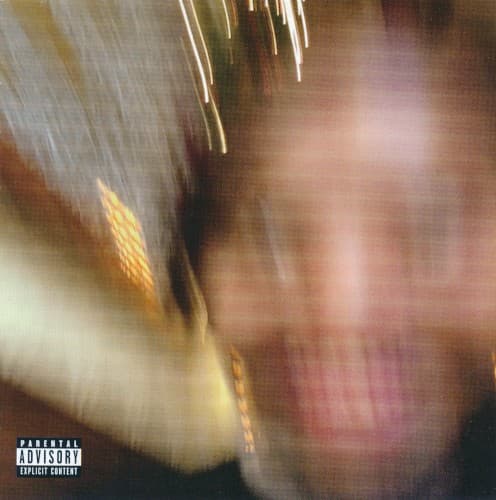
Earl Sweatshirt's sonic evolution mirrors his psychological journey inward. Early work featured relatively conventional boom-bap production, but his collaboration with producers like Randomblackdude, The Alchemist, and Navy Blue gradually stripped away conventional hip-hop scaffolding. By the time of *Some Rap Songs* (2018), Earl had arrived at a signature approach: drumless or barely-percussive tracks built from warped soul samples, jazz fragments, and his late father's voice, layered into dense atmospheric textures that feel like walking through fog.
His delivery has grown increasingly conversational, almost muttered—a stark contrast to the technical pyrotechnics of his teenage years. Where Earl showcased multisyllabic acrobatics and rapid-fire internal rhymes, later work favors a halting, start-stop flow that mirrors thought processes rather than impressing with velocity. Bars often feel unfinished or deliberately fragmentary, creating a sense of overhearing someone's internal monologue rather than witnessing a performance. This isn't laziness; it's intentional discomfort.
The production choices amplify this intimacy. Songs rarely exceed two minutes. Samples loop without variation, creating hypnotic repetition that can feel meditative or suffocating depending on your headspace. There's minimal dynamic range—everything exists in the same murky middle ground, as if recorded through a wall. This lo-fi aesthetic isn't nostalgic; it's claustrophobic by design, pulling listeners into Earl's headspace whether they're ready or not. It's hip-hop as ambient music, as therapy session, as artistic statement that refuses to make itself easily digestible.
Trajectory of Withdrawal: Earl Sweatshirt's Anti-Commercial Evolution
The mythology began with Earl (2010), an online-only mixtape that spread through blog circuits and established the Odd Future collective as provocateurs worth watching. Earl's technical ability was immediately apparent—the rhyme density, the pocket-switching, the macabre wit. But before he could capitalize on that momentum, his mother sent him to a therapeutic retreat in Samoa, a move that sparked
Redefining Underground Influence: Earl Sweatshirt's Experimental Legacy
Earl Sweatshirt's significance isn't measured in platinum plaques or festival headlines. His impact lives in the permission he's granted younger artists to prioritize artistic vision over commercial viability, to treat depression and grief as worthy subject matter without redemptive arcs, and to explode traditional song structure without apology. The wave of lo-fi, sample-based, emotionally raw hip-hop that emerged in the late 2010s—artists like MIKE, Navy Blue, Pink Siifu, and the entire Slums collective—carries Earl's fingerprints.
His willingness to work with and elevate underground producers changed the producer-rapper dynamic in independent hip-hop. Rather than chasing established names, Earl sought out bedroom beatmakers and experimental sound designers, treating production as equal partnership rather than backdrop. This approach helped legitimize lo-fi aesthetics and drumless production as viable artistic choices rather than budget limitations.
Culturally, Earl represents a specific lineage of hip-hop intellectualism—the offspring of poets and activists (his father was South African poet laureate Keorapetse Kgositsile) using rap to process displacement and identity. His work sits alongside Mf Doom's masked reclusiveness, Aesop Rock's linguistic density, and Billy Woods' confrontational abstraction as proof that hip-hop's margins often produce its most adventurous work. Earl Sweatshirt didn't chase the mainstream; he redefined what artistic success could mean, building a devoted audience that values uncompromising vision over accessibility. That's a legacy that will outlast any chart position.