The Foundation of Boom Bap: Gang Starr's Blueprint for Hip-Hop Authenticity
Gang Starr constructed hip-hop's most reliable foundation over two decades, building a catalog that prioritized craft over trend and substance over flash. The Brooklyn-based duo of DJ Premier and Guru developed a sonic identity so precise that their work became the benchmark against which serious rap music was measured. Where other acts chased crossover appeal or regional variations, Gang Starr refined a singular vision: rugged drums, jazz-flipped loops, and conceptually dense rhymes that assumed the listener was paying attention.
Formed initially in 1985 with a rotating lineup before solidifying around Premier and Guru by 1989, the group represented a specific strain of New York hip-hop that valued technical excellence and thematic depth. Guru's monotone delivery contrasted sharply with the era's more animated styles, but his measured cadence carried weight. DJ Premier's production approach stripped away excess, exposing the raw mechanics of breakbeats and horn stabs. Together, they created music that sounded simultaneously timeless and unmistakably anchored in their moment.
Their influence extends beyond commercial metrics. Gang Starr albums became required listening for aspiring producers and MCs, studied for their disciplined approach to arrangement and lyricism. The duo's refusal to compromise their sound even as hip-hop fragmented into regional camps and commercial subdivisions established them as purists without becoming irrelevant. Their career arc traces the evolution of East Coast hip-hop from the sample-heavy golden era through the glossier late-nineties and into the early 2000s, maintaining integrity across shifting landscapes.
Stripped Drums and Jazz Logic: Gang Starr's Production Philosophy
DJ Premier's production aesthetic defined boom bap as a distinct subgenre. His approach centered on hard-hitting kick-snare patterns, scratched hooks, and precisely chopped jazz samples that retained melodic information while serving the rhythm. Premier didn't hide his source material under layers of processing; he showcased it, letting horn lines breathe between drum hits and creating negative space that amplified impact. The stuttered scratches, off-beat chops, and head-nodding pocket became his signature—techniques that countless producers attempted to replicate but rarely matched in execution.
Guru's vocal style operated as the perfect counterweight to Premier's aggressive production. His near-monotone flow and deliberate pacing created hypnotic patterns, forcing attention to wordplay and conceptual development rather than vocal acrobatics. Where contemporaries emphasized breath control gymnastics or rapid-fire delivery, Guru's measured cadence allowed ideas to land with full weight. His approach to storytelling prioritized clarity and detail, building narratives around street philosophy, social observation, and MC superiority without melodrama.
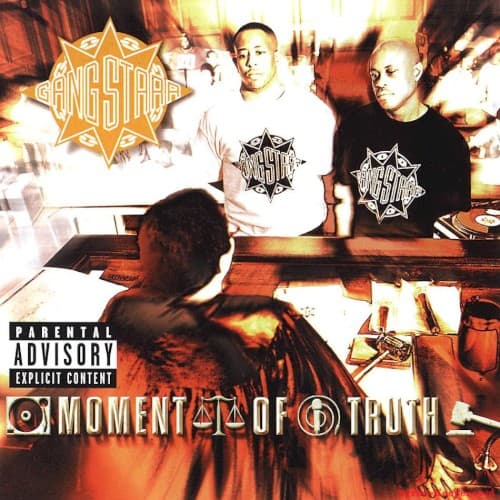
The duo's collaborative chemistry produced a sound that felt both minimal and complete. Premier never overproduced, and Guru never over-emoted. Their restraint became their signature. Tracks like those on their 1998 release demonstrated this balance at its peak—drums that hit like fists, samples that provided melodic context without overwhelming the groove, and rhymes delivered with the confidence of someone who had nothing to prove. This disciplined approach to arrangement influenced generations of producers who learned that power often comes from what you leave out rather than what you pile on.
From Underground Architects to Golden Era Pillars: Gang Starr's Two-Decade Run
Gang Starr's journey began in Boston before relocating to Brooklyn, where the duo found their creative footing. Their early work on 1989's No More Mr. Nice Guy established the template: raw production, intelligent lyrics, and zero concessions to commercial radio formats. The album introduced listeners to a duo operating outside mainstream hip-hop's increasingly polished sound, staking territory in the underground without any indication they planned to leave.
The 1990s represented Gang Starr's imperial phase. Step in the Arena (1991) and Daily Operation (1992) refined their approach, with Premier's production growing more sophisticated while maintaining its stripped-down impact. These albums featured tracks that became foundational texts for boom bap enthusiasts—songs built on crisp snares, vinyl crackle, and Guru's increasingly confident delivery. The duo developed a reputation for consistency, releasing albums that never chased trends but somehow remained relevant as hip-hop's center shifted around them.
Hard to Earn (1994) arrived during hip-hop's creative zenith, competing for attention alongside releases from Wu-Tang affiliates, Nas, and other East Coast heavyweights. Gang Starr held their ground, delivering an album that demonstrated their evolution without abandoning core principles. Premier's production incorporated more live instrumentation while maintaining the hard-hitting aesthetic that defined their work. Guru's lyrics addressed industry politics, street realities, and artistic integrity with the assurance of an MC who had earned his position through craft rather than hype.
Moment of Truth (1998) stands as Gang Starr's most ambitious statement. The double album format allowed the duo to stretch conceptually while showcasing the depth of their catalog. Tracks ranged from reflective introspection to aggressive battle raps, unified by Premier's meticulous production and Guru's thematic consistency. The project demonstrated that Gang Starr could operate on an expanded canvas without diluting their essence—a feat many golden era acts failed to accomplish as the industry demanded either commercial adaptation or underground obscurity.
The duo's later work maintained quality even as commercial attention drifted elsewhere. The Ownerz (2003) arrived in a hip-hop landscape dominated by Southern production styles and increasingly polished radio fare. Gang Starr's response wasn't to chase the moment but to refine their existing approach, delivering an album that sounded current without compromising identity. By this point, their influence had become undeniable—Premier was established as one of hip-hop's most respected producers, and Guru's side projects like Jazzmatazz had expanded the duo's creative footprint.
Guru's death in 2010 ended Gang Starr as an active entity, though Premier's continued production work and posthumous releases have kept their legacy alive. The 2019 album One of the Best Yet, assembled by Premier from Guru's recorded verses, demonstrated that their chemistry remained potent even after years of inactivity. The release felt less like nostalgia and more like a reminder of what Gang Starr represented: uncompromising craft, thematic depth, and a sonic identity built to outlast temporary trends.
The Blueprint Endures: Gang Starr's Influence on Hip-Hop Production and Lyricism
Gang Starr's impact operates on multiple levels. DJ Premier's production template became the gold standard for sample-based hip-hop, influencing everyone from J Dilla to 9th Wonder to modern producers still chasing that stripped, hard-hitting aesthetic. His approach to drum programming—particularly his use of swing, pocket, and negative space—remains fundamental to boom bap as a living tradition. Countless producers have studied his technique, attempting to reverse-engineer the deceptively simple arrangements that made Gang Starr tracks so instantly recognizable.
Guru's contributions as an MC are equally significant, though perhaps less immediately obvious. His monotone delivery influenced a generation of rappers who prioritized content and conceptual clarity over vocal theatrics. Artists like Your Old Droog, Roc Marciano, and even aspects of Jay-Z's laid-back flow owe something to Guru's measured approach. His willingness to tackle complex subjects without dumbing down the language or sacrificing rhythmic complexity established a template for intellectually engaged rap that didn't sacrifice street credibility.
The duo's career trajectory offers a counternarrative to hip-hop's commercial evolution. While the genre increasingly fragmented into mainstream and underground camps during the late nineties and early 2000s, Gang Starr occupied a space that defied easy categorization. They remained relevant to heads without becoming obscure, maintained artistic integrity without sacrificing listenability, and influenced both commercial producers and underground purists. Their catalog serves as evidence that uncompromising artistry and sustained relevance aren't mutually exclusive—a lesson that resonates as younger artists navigate similar tensions between commercial viability and creative authenticity.