Scorecard: 8.5/10 · Essential
How we score- Writing(25%)
- 9.0
Quick strokes assemble vivid tableaus—dinner party provocations bleeding into Szechuan food at soundcheck, weed paranoia collapsing into family park visits—with wordplay that never announces itself, though a couple sub-two-minute sketches feel more functional than finished.
- Production(25%)
- 8.5
Segal layers saxophone over bebop piano over boom bap drums without crowding the canvas, building a coherent travelogue that moves from sun-drenched guitars to eerie synths to abstract IDM pivots, though the sequencing sags slightly on a brief stretch of weed-themed interludes.
- Delivery(15%)
- 8.0
Woods' flat deadpan carries complex images without decoration and the monotone becomes the mood, while guests earn their spots—Danny Brown's manic extended verse on Year Zero and Aesop Rock's dense turn on Waiting Around both land hard.
- Cohesion(15%)
- 8.5
Seventeen tracks in forty-six minutes, mostly under three minutes each, sequenced like stops on a route: no filler, no bloat, moving from Brooklyn dinner parties through dispensaries and hotel rooms back to a New York park without a wasted moment.
- Originality(10%)
- 8.0
The travelogue concept and the marijuana-as-comfort motif distinguish it from Aethiopes' historical scope, though the essentials—Woods' oblique storytelling over jazz-inflected production—refine the Hiding Places blueprint rather than rewrite it.
- Replay value(10%)
- 8.5
The writing rewards close attention on repeat—references to airplane etiquette, FBI surveillance on domestic disputes, and comparisons to Future album covers unpack slowly—and the production's variety keeps the listen from flattening into routine.
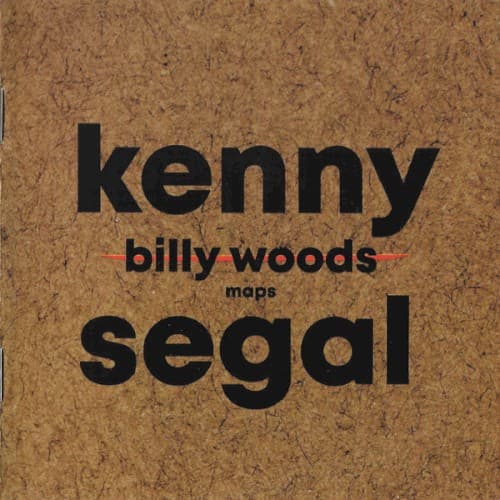
billy woods Maps — The Loneliness You Pack
Maps argues that travel is less escape than displacement, that the road offers freedom only in exchange for coherence. billy woods spends forty-six minutes cataloging indignities—interstate Uber rides between tour dates, hotel rooms where he watches other people's afterparties through a screen, dispensaries that never stock the right weed—and finds that motion does not solve problems so much as postpone them. The thesis arrives in the first two minutes: on Kenwood Speakers, he goads a dinner party host into suicide with mischievous lies, then leaves Brooklyn for a touring schedule that will stretch across the album. What follows is neither celebration nor complaint but a flat documentary of what it costs to keep moving.
The stakes are smaller than on Aethiopes, where woods traced empire and diaspora across centuries. Here the scale is a hotel lobby, a soundcheck, a FaceTime call home. But the writing is sharper—quick images that assemble whole scenes without explanation, food and weed as recurring markers of place, a deadpan humor that never winks. Producer Kenny Segal builds the album like a travelogue, sequencing seventeen tracks as stops on a route, layering saxophone and piano over boom bap drums that refuse to settle into head-nod patterns.
The result is the most accessible album in woods' catalog and also one of the best: a concept that earns its length, writing that rewards the work of listening, and a verdict on touring that refuses easy answers. By the closing track he is back in a New York park with his son, watching the kid grow and realizing his own mortality. Not a homecoming, just the next problem.
Jazz Maps and Dispensary Stops
Segal's production moves like the album's subject: never settling, always adjusting to new surroundings, finding pockets of comfort in unfamiliar rooms. The palette is jazz-inflected—saxophone melodies, bebop piano samples, sun-drenched acoustic guitars on Soft Landing, towering drones and eerie synths on Year Zero—but the drums lurch sideways instead of falling into loops. The effect is disorientation without chaos, clean melodies that invite attention while the rhythm keeps you off balance. Compared to the dissonant soundscapes of Hiding Places, Maps sounds lighter, more colorful, but the tension is still there in the sequencing: sudden pivots from boom bap to IDM elements on Babylon by Bus, free jazz distortion on Blue Smoke, dreamlike abstraction on Soundcheck. Segal knows when to step back—on FaceTime he layers bass and synth keyboard under Samuel T. Herring's lonely chorus without crowding woods' verse, on The Layover the bebop sample does the work and the beat stays out of the way. The variety never scans as novelty; each track sounds like the place it describes.
billy woods writes in images that do not explain themselves. On Soundcheck he watches sunsets and eats Szechuan food to escape the tedium of unpacking; on Blue Smoke he imagines FBI agents surveilling and commenting on his domestic disputes; on Baby Steps he compares himself to the cover of Future's I Never Liked You while trying to sleep through an interstate Uber ride. The specificity does the work—no thesis statements, no scene-setting, just quick strokes that assemble tableaus and move on. The humor is dry and often dark: Bad Dreams Are Only Dreams satirizes critical analysis by describing a nightmare where his brain is served as a meal, Rapper Weed catalogs the sights and people at a dispensary without editorializing. The marijuana motif recurs throughout as a source of comfort in unfamiliar places, but also as a recurring obstacle—dispensaries never stock the right strain, the price is wrong, the ritual becomes another hassle. Food imagery works the same way, grounding each location in sensory detail without turning into travelogue cliché.
The guest verses are chosen well and placed carefully. Danny Brown arrives on Year Zero with an extended manic verse—woods recalls him showing up with two cars, an entourage, and rhymes prepared on two separate phones—and the unhinged energy matches the song's apocalyptic mood. Aesop Rock delivers a lyrically dense verse on Waiting Around that never feels like a flex, just another voice in the transit lounge. Samuel T. Herring's chorus on FaceTime—the album's emotional core—captures the loneliness of watching life happen elsewhere while you sit in a hotel room.
ShrapKnel, Quelle Chris, Benjamin Booker and Elucid all contribute without overstaying, and woods gives them room. The weakness is minor: a couple of the sub-two-minute tracks (Blue Smoke, Agriculture) feel like sketches rather than finished ideas, functional transitions that do not add much on their own. But in an album this tightly sequenced, even the slight tracks serve the route.
Seventeen Stops, No Wasted Miles
Forty-six minutes across seventeen tracks means most songs clock in under three, and the pacing reflects that: no extended meditations, no room for filler, constant forward motion. The sequencing follows the arc woods described as a hero's journey—departure from Brooklyn in the opening, transit and displacement through the middle stretch, return to New York in the back half, domestic resolution on the final track. But the structure never announces itself. The album peaks twice: once in the middle section where the loneliness of the road lands hardest, and again when a guest verse and surge of strings hit like a breakdown.
In between, the momentum sags slightly on a brief stretch of weed-themed interludes that mark time rather than advance the story. But the length is earned—woods wrote seventy percent of the album while touring, and the constant motion feels lived rather than conceptual.
The sequencing also tracks mood: the antagonistic dinner party and distorted drums of the opening give way to sun-drenched hope, then dreamlike escape, then the slow grind of dispensary visits and mounting paranoia. The second half tightens as the journey nears its end—grim historical comparisons, isolation in hotel rooms, the return to a gentrified city. The closing stretch brings a collaborator back for a meditative verse before woods ends the album in a park with his son, watching the kid grow and feeling his own age. It is a quiet ending for an album that rarely raises its voice, and it works because the whole route has been building to this: not triumph, not defeat, just the realization that home is where the next set of problems waits.
Where It Lands in the Catalog
Maps is woods' best album since Hiding Places and the most accessible entry point in his catalog. It refines the collaboration with Segal—lighter production, tighter sequencing, clearer narratives—without retreading the earlier record's dissonant soundscapes. Compared to Aethiopes, it trades political and historical scope for intimate scale and sharper writing, and the tradeoff works: the travelogue concept gives the album focus, and the personal stakes make the abstract imagery hit harder. It ranks just below Aethiopes in the catalog (8.6 overall to Aethiopes' 8.4 is close enough to call it even), and it is the better starting point for new listeners—Simpson and Pearce are right that the narratives here are woods' clearest and most vivid.
This is for woods fans who want to hear him write at the top of his craft, underground heads who care about sequencing and concept, and anyone interested in what jazz-inflected production can do when it refuses to settle into patterns. Skip it if you need hooks or conventional storytelling, or if you think a forty-six-minute album about touring sounds like niche subject matter. It has aged well in the year since release—the writing is specific enough to stay fresh, the production varied enough to avoid flattening into background—and it will hold up as long as woods' oblique style stays compelling. Start with FaceTime for the emotional core, Year Zero for the Danny Brown feature and the IDM pivot, or Soundcheck for the way woods turns stage pressure into sensory escape. Then play Hiding Places to hear where the collaboration started, and Aethiopes to hear woods working at a larger scale. Maps proves that travel writing in rap does not need exoticism or triumph, just honest accounting of what it costs to keep moving and what waits when you stop.
Track Listing
Kenwood Speakers
●A one-minute opener built on distorted drums that snap sideways, setting the antagonistic mood before departure. woods describes a Brooklyn dinner party where he tells mischievous lies that goad the host into suicide—darkly funny, oblique, and a fitting prelude to an album about escaping domestic surroundings. The brevity works; it establishes the voice and gets out.
Soft Landing
▲Sun-drenched acoustic guitar and sludgy bass under a chorus that interpolates "Feeling Good," turning the pop standard into a meditation on finding hope in a stressful life. woods' verse catalogs small moments of relief without overstating them, and the production's warmth contrasts the distortion of the opener. One of the album's most inviting tracks, and a strong early peak that sets up the travelogue's emotional range.
Soundcheck
▲Dreamlike production frames woods trying to escape the tedium of travel routines—unpacking, soundchecks, the grind of the road—by watching sunsets and eating Szechuan food. The writing is sensory and specific, finding joy in new spaces without romanticizing them. Critics rightly identify it as woods confronting stage pressure and choosing presence over autopilot. The beat's abstraction matches the mood: floating, unhurried, grounded by small details.
Rapper Weed
●A dispensary catalog: the sights, the people, the ritual of buying weed in a legal market. woods describes it flatly, without editorializing, and the humor is in the mundane specificity. The weed motif recurs throughout the album as both comfort and hassle, and this track sets the terms. Solid, functional, not a standout but necessary for the concept.
Blue Smoke
●Free jazz distortion and woods imagining FBI agents surveilling and commenting on his domestic disputes. Ninety-two seconds of paranoia and absurdist humor, a sketch rather than a finished idea. It works as a transition but does not add much on its own.
Bad Dreams Are Only Dreams
●Sixty-nine seconds of woods satirizing critical analysis by describing a nightmare where his brain is served as a meal. Darkly funny, slight, gone before it overstays. Another interlude that serves the album's pacing without demanding much attention.
Babylon by Bus
▲IDM elements sampled from Aphex Twin's "#2" pivot into a surge of strings, and ShrapKnel contributes a verse that matches the track's sudden shifts. The production is adventurous—Segal moving furthest from boom bap into abstraction—and the guest spot is well-placed. One of the album's most interesting sonic moments, even if the lyrical content is less vivid than the surrounding tracks.
Year Zero
▲Towering drones and eerie synths build an apocalyptic mood, and woods delivers a verse lamenting that the world is broken beyond repair, wishing for society's destruction so future generations can rebuild from nothing. Then Danny Brown arrives with an extended manic verse—woods recalls him showing up with two cars, an entourage, and rhymes prepared on two phones—and the unhinged energy matches the song's nihilistic theme. Brown's performance is exuberant and chaotic, the kind of verse that takes over a track, and Segal's production gives it room to detonate. A clear peak.
Hangman
●Grim overall mood with moments of bemused comfort, woods cataloging the small indignities of being on the road without dwelling on them. The production is steady and unshowy, letting the writing do the work. Solid but not essential, a track that holds the middle stretch without standing out.
Baby Steps
▲woods narrates an interstate Uber ride between tour dates, comparing himself to the cover of Future's I Never Liked You while trying to sleep through the journey. The specificity of the image—woods as Future, isolated and expensive-looking in the back of a car—lands with dry humor. Benjamin Booker and Elucid contribute without crowding the verse. A strong mid-album track that deepens the travelogue's sense of exhaustion and absurdity.
The Layover
▲A bebop piano sample and woods comparing bystanders who witness police brutality to those who observed the sick from afar during the Black Death. The historical comparison is grim and precise, one of the album's few moments where woods' writing reaches for larger political resonance. The production stays out of the way, and the track works as a tonal shift before the album's emotional core.
FaceTime
▲The album's emotional center: boom bap drums layered with saxophone, bass and synth keyboard, Samuel T. Herring providing a chorus about the loneliness of touring. woods recounts sitting alone in a hotel room, watching concertgoers attend an afterparty he is not part of, and the verse captures the isolation of being physically distant from loved ones while your daily life becomes confusing and disorienting. In the Huck interview woods elaborates on the duality—travel as both a rush and a getaway from things you cannot deal with, and also a source of missing out on family life. Segal's production is clean and spacious, giving the melancholy room to breathe. The best song on the album.
Agriculture
●woods imagines himself as a farmer and cannabis grower over dreamy production. A hundred seconds, pleasant but slight, another weed-themed interlude that marks time rather than advancing the story. Functional filler.
Houdini
●woods using marijuana to keep occupied during a lull in his travel schedule. Two minutes twenty-four seconds of the weed motif recurring again, this time as distraction rather than comfort. The track is fine but inessential, part of the Agriculture-Houdini stretch where the album's momentum sags slightly.
Waiting Around
▲Aesop Rock delivers a lyrically dense verse that matches woods' oblique style without feeling like a flex—just another voice in the transit lounge, waiting for the next flight. The production is patient and the guest spot is well-chosen. A solid late-album track that tightens the pacing as the journey nears its end.
NYC Tapwater
▲woods returns to New York and discovers that gentrification has transformed the neighborhood during his absence. The writing is specific and observant, cataloging changes without editorializing, and the track captures the disorientation of homecoming. One of the album's strongest narrative moments, setting up the final track's domestic resolution.
As the Crow Flies
▲The album's conclusion: Elucid delivers a meditative verse, then woods describes playing with his son at a park and realizing that watching the kid grow makes him increasingly aware of his own mortality. The closing verse is brief and unsentimental, a quiet ending for an album that rarely raises its voice. It completes the hero's journey woods described—departure, transit, return—without triumph or defeat, just the realization that home is where the next set of problems waits. A fitting and earned resolution.