The scorecard
4.6/10 · Weak
- Writing25%
- 5.0
- Production25%
- 4.5
- Delivery15%
- 5.5
- Cohesion15%
- 4.0
- Originality10%
- 3.5
- Replay value10%
- 4.0
The verses alternate between lazy prophecy puns and half-committed street tales, though the wordplay and technique occasionally surface above pure autopilot.
L.E.S. beats are flat and demo-quality, Dame Grease offers repetitive loops with no dynamic shifts, and the drafts sound unfinished across most tracks.
Nas coasts on autopilot flow for most of the runtime, sounding engaged only on Come Get Me and parts of Family.
The album lurches from boom-bap to R&B crossover with no sequencing logic, though the runtime is at least mercifully shorter than I Am.
The Nostradamus concept is window dressing for recycled mafioso rap, though the attempt at prophecy distinguishes it slightly from pure It Was Written retreads.
Two or three tracks justify return visits; the rest are skippable even for completists who defended I Am.
Nas Nastradamus — The Album That Proves Even Queens Runs Out of Miracles
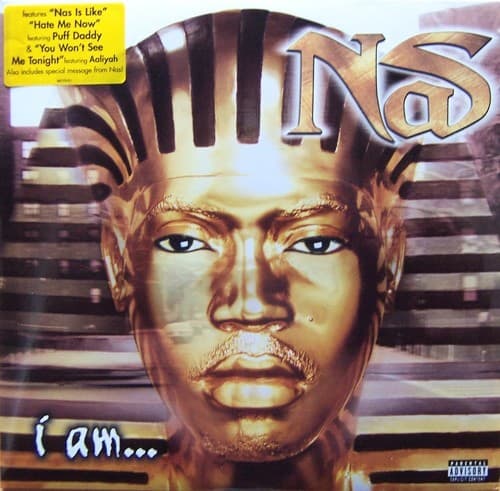
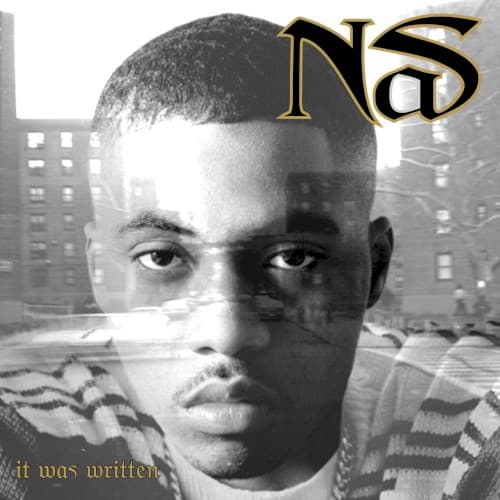
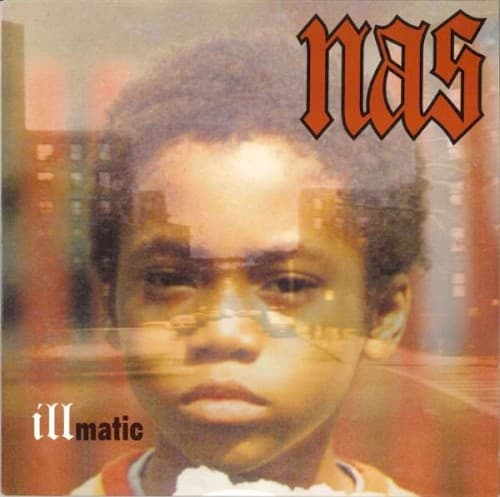
The distance from Illmatic to Nastradamus is five years and a catalog's worth of bad decisions. Released a month late because bootleggers got I Am sessions first, this fourth album was half-rewritten in October 1999 and sounds like it: rushed beats, half-committed verses, a Nostradamus title that promises prophecy and delivers mall-rap filler. Nas had survived the label pressure that bloated It Was Written and the conceptual mess that sank I Am, but he does not survive this. Nastradamus is the first album where he sounds checked out from the opening verse, and the only question the record answers is how far goodwill can carry a rapper who stops trying.
The failure is not the concept or the singles or the guest list. The failure is that Nas raps like a man filling a quota. The prophecy angle is cosmetic: a skit intro, a title track that rhymes "Nastradamus" with "stand beside us," and then nothing.
What remains is a collection of beats that would not have made It Was Written and verses that coast on muscle memory. Two tracks justify the runtime. The other thirteen occupy the space between mediocre and obligatory, and even the Illmatic defense squad had to admit it. This is the album that forced the question: was the debut a fluke, or was everything after it the fluke? Nastradamus does not answer that question, but it makes ignoring it impossible.
When the Rolodex Runs Dry and the Booth Feels Like a Job
The production roster looks capable on paper: DJ Premier, Havoc, L.E.S., Dame Grease, Timbaland. The execution is bottom-drawer work from nearly everyone. L.E.S., who handled much of It Was Written and I Am, delivers five beats here and all five sound like drafts he forgot to finish.
Life We Chose loops a thin piano line and a drum pattern with no swing. Nastradamus recycles the horn-stab formula he had already run into the ground. Big Girl and New World could be the same beat slowed down and sped up. None of them push Nas or give him anything to work against; they sit there and wait for him to show up, and he mostly does not.
Dame Grease fares no better across four tracks. Some of Us Have Angels, Family, God Love Us and Quiet Niggas all follow the same template: ominous loops, no dynamic shifts, no hooks that stick. The Grease sound worked in small doses on earlier Nas records; here it is wall-to-wall redundancy.
Only two producers deliver: DJ Premier on Come Get Me, which has the crispness and swing the rest of the album lacks, and Havoc on Shoot 'Em Up, which compresses Mobb Deep menace into under three minutes. Timbaland shows up for You Owe Me with a stuttering R&B track that does not belong anywhere near this album but at least sounds like someone turned the monitors on. The Hitmen contribute Project Windows, which has Ronald Isley on the hook and a melody that goes nowhere. Nas had access to the best boards in New York in 1999 and came back with this.
The writing is worse. Nas is capable of vivid storytelling, internal rhyme schemes that reward attention, and images that root abstraction in Queensbridge particulars. Nastradamus has almost none of that. The verses rely on lazy wordplay, half-formed ideas, and the assumption that his voice alone is enough.
The Nastradamus puns are forced and go nowhere. The street narratives on Life We Chose and Come Get Me retread ground he covered better on It Was Written. The introspection on Some of Us Have Angels and God Love Us never gets specific enough to justify its own seriousness. When he reaches for a big statement on New World, the prophecy about the future reads like a high school essay on inequality.
Nas sounds bored, and boredom is contagious. Even on the two good tracks, he is coasting on technique rather than building something new.
Fifteen Tracks, Two Worth Keeping, and No Reason for the Rest
Nastradamus is too long by at least six tracks and too unfocused to earn even the runtime it has. The pacing is nonexistent: the album opens with a one-minute skit, stumbles through a handful of mediocre bangers, detours into R&B crossover territory, and closes with another skit. There is no arc, no progression, no sense that the tracklist was sequenced by anyone who cared. Songs that sound identical sit back-to-back.
The lone Timbaland track lands three songs from the end like an ad break. The Mobb Deep collaboration is buried at track nine, where no one will reach it. The album sags hardest in the middle stretch, where four consecutive tracks blur into a single gray wash of loops and autopilot rapping.
By the time the Bravehearts appear, the record has long since lost any claim on attention. The closing run tries to build something resembling momentum but both entries are filler-grade beats that earn nothing. The only mercy is that one standout is short; the only crime is that Come Get Me is not the template for the whole project. Nastradamus plays like a contractual obligation delivered one month late because the real album leaked, and no amount of sequencing could have saved material this thin.
The Worst Album in the Catalog and the End of Benefit of the Doubt
Nastradamus is Nas's weakest album by a margin wide enough to see from the Queensboro Bridge. It sits below I Am, which had conceptual ambition and a handful of genuine songs, and miles below every other entry in the catalog. The writing is lazy, the production is unfinished, and Nas sounds disengaged from the first verse to the last skit. This is the album that cost him the critical respect he spent five years rebuilding after It Was Written disappointed purists, and it took Stillmatic two years later to win it back.
For casual fans, this is the record to skip entirely. For completists, it is a warning about what happens when a great rapper stops caring whether the music is worth releasing. The two tracks worth hearing are Come Get Me, where Premier pulls a real performance out of Nas, and Shoot 'Em Up, where Havoc does the same in half the time.
Start there if you must; stop before You Owe Me, which is a Timbaland track with a Nas verse stapled to it. If you are working through the catalog in order, the only reason to play Nastradamus is to understand how far he fell and how impressive the Stillmatic rebound was by contrast. For everyone else, this is the album that answers the question "is every Nas album essential?" with a definitive no.
The prophecy angle was marketing. The rushed recording was an excuse. The real problem is that Nas delivered an album that sounds like he did not want to make it, and no amount of goodwill from Illmatic can save a record this uninspired. Skip it and go straight to Stillmatic, where he remembered why he started rapping in the first place.
Track by track
Track Listing
The Prediction
SolidA one-minute skit that sets up the Nostradamus concept and then abandons it. Pure filler.
Life We Chose
WeakL.E.S. delivers a thin piano loop with no momentum, and Nas recycles mafioso imagery he had already exhausted on It Was Written. The verses are competent but mechanical, with no vivid details or narrative drive. This is autopilot rapping over a beat that does not insist on anything better.
Nastradamus
WeakThe title track should be the conceptual anchor; instead it is a forced exercise in rhyming "Nastradamus" with anything that scans. The L.E.S. beat loops horns that go nowhere, and Nas delivers prophecy bars that sound like he wrote them on the ride to the studio. The hook is a chant with no melody. This is the kind of single that makes casual fans stop paying attention.
Some of Us Have Angels
SolidDame Grease offers a somber loop, and Nas attempts introspection about survival and faith. The idea is there, but the execution is vague: no specific stories, no images that root the sentiment in experience. It is the outline of a meaningful song, never filled in.
Project Windows
WeakRonald Isley on the hook should elevate this into something memorable, but the Hitmen production is lifeless and Nas delivers a verse about the projects that says nothing It Was Written had not already said better. The melody does not develop, and the track drags past the four-minute mark with no payoff. Wasted opportunity.
Come Get Me
StandoutThe only track on the album where Nas sounds fully awake. DJ Premier delivers the kind of crisp, dynamic production the rest of the record desperately needed: punchy drums, a sharp loop, space for the vocal to cut through. Nas responds with a verse that has actual internal rhymes and wordplay that rewards attention, building a narrative about enemies and survival with specificity the other tracks lack. The flow has swing, the images are concrete, and the hook works. This is the template Nastradamus should have followed. Premier reminds Nas what a real beat sounds like, and Nas reminds himself what he is capable of when he tries. If the album had five more tracks at this level, it would be a different conversation.
Shoot ’Em Up
StandoutHavoc compresses Mobb Deep menace into a sub-three-minute banger: dark loops, tight drums, no wasted space. Nas matches the energy with a verse that moves, and the brevity is a mercy on an album that drags everywhere else. One of two tracks worth returning to.
Last Words
WeakNashawn gets a verse, L.E.S. delivers another flat beat, and Nas coasts through reflections on mortality that never get specific. The track runs over five minutes with nothing to justify the length. Pure filler in the worst stretch of the album.
Family
SolidMobb Deep should guarantee quality, but Dame Grease gives them a repetitive loop that goes nowhere, and all three rappers sound like they are filling space rather than building a song. The verses are competent but uninspired, and the track drags past five minutes. This is a reunion that should have been an event, reduced to an album track no one will remember.
God Love Us
WeakDame Grease again, with another ominous loop that does not develop. Nas attempts big statements about survival and faith but never grounds them in anything concrete. The verse is abstract to the point of meaninglessness, and the track blends into the gray wash of the album's weakest stretch.
Quiet Niggas
WeakThe Bravehearts show up, Dame Grease delivers yet another redundant loop, and Nas phones in a verse. This is the fourth consecutive Dame Grease track and they all sound identical. Filler.
Big Girl
WeakL.E.S. recycles the same thin piano-and-drums formula he has been coasting on for the entire album, and Nas delivers a lightweight verse about women that goes nowhere. The beat could be a slower version of New World. Skip it.
New World
WeakNas attempts prophecy about the future: inequality, technology, surveil lance. The idea is timely, but the execution is high school essay-level abstraction with no images or narrative to ground it. L.E.S. delivers the weakest beat on the album, and the track drags to four minutes. This is the kind of song that makes fans wonder if he has anything left to say.
You Owe Me
SolidTimbaland delivers a stuttering R&B track built for Ginuwine, and Nas staples a guest verse to it. The production is polished and the hook is catchy, but the track has no reason to exist on a Nas album. This is a label compromise, a crossover bid that belongs on a different record entirely. It works as background music and fails as anything else.
The Outcome
SolidA two-minute skit to close the album. No reason for it to exist.