The scorecard
5.1/10 · Weak
- Writing25%
- 5.0
- Production25%
- 6.5
- Delivery15%
- 5.5
- Cohesion15%
- 4.0
- Originality10%
- 3.5
- Replay value10%
- 4.5
The lyricism circles the same boilerplate gangsta themes with no specificity: generic threats, weed references and legacy talk that could be from any year of the catalog.
Battlecat and Hit-Boy deliver sturdy West Coast frameworks, but the album never settles on a sound: G-funk callbacks, trap drums and modern sheen compete for space across eighteen tracks.
The flow is relaxed to the point of disengagement, coasting on muscle memory; only Nas on Conflicted and The Game on Jerseys In the Rafters bring urgency to their verses.
Eighteen tracks with no editing: the album sags after House I Built and never recovers, piling on features and beat switches with no arc or purpose to the sequencing.
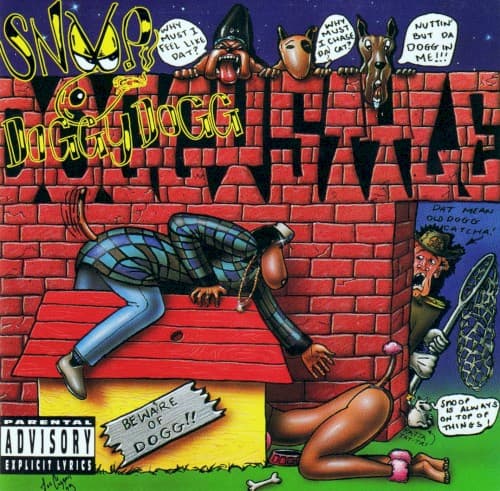
A victory lap that adds nothing: the Death Row acquisition is the story, but the music just recycles Doggystyle imagery and flow patterns without reinvention or risk.
The Battlecat and Hit-Boy productions have enough pocket to carry a few tracks, but the bloat and the lack of hooks make most of this forgettable after a couple of spins.
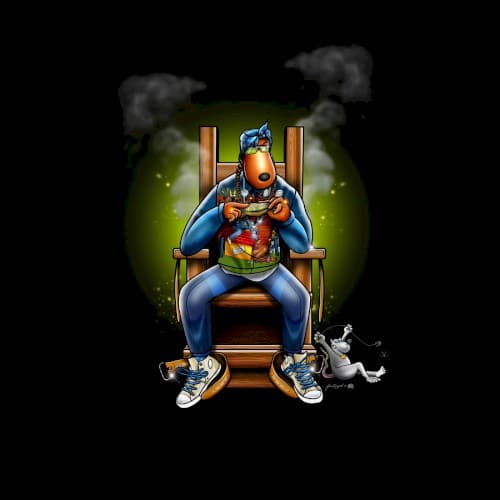
Snoop Dogg BODR — Buying Back the House, Renting Out the Ideas
Snoop Dogg bought Death Row Records two days before releasing this album. That context matters because the music itself does not make the case. BODR is a branding exercise disguised as a comeback: eighteen tracks announcing the reclamation of the label that launched him in 1993, but none of them written or sequenced like the return has creative stakes. The thesis is in the title and the timing, not in the rapping or the production.
Snoop sounds like he is hosting his own homecoming rather than performing it, and the difference is audible from the first verse. The album works as promotional material. It reactivates the Death Row name with enough G-funk signifiers to remind listeners of what the label used to mean: Battlecat productions, a Nate Dogg posthumous feature, a verse with The Game about legacy. The rollout included the Super Bowl halftime show two days after release, the most visible rap performance in years.
But BODR is not built to stand next to Doggystyle or even Tha Doggfather. It is a placeholder record, bloated to streaming length and padded with features that do the work Snoop declines to do himself. The flow is the same unhurried glide it has been for a decade, but the writing has nothing specific to say about the acquisition, the twenty-six-year gap, or the state of West Coast rap in 2022. The album never asks why this return matters beyond the transaction.
The structure is scattershot. BODR opens with three Battlecat beats that gesture at classic Death Row sonics, then pivots to Hit-Boy and trap drums for the middle stretch, then drifts into guest highlight and filler for the final third. The production is competent across the board, occasionally better, but the album has no sonic or thematic center. It plays like a compilation of loosies recorded for different purposes and bundled together under the Death Row banner.
That might be fine for a victory lap if the rapping had more to say, but Snoop coasts through most of these tracks with the same recycled threats and weed punchlines he has been delivering since the Bush administration. Conflicted, the Nas feature produced by Hit-Boy, is the only moment that feels like an argument instead of a press release.
The Sound of Showing Up
The production is where the album does most of its work, and the split between old and new tells the story. Battlecat handles four tracks, and they are the closest BODR comes to the G-funk sound that defined Death Row in the nineties: Still Smokin, Coming Back, Outside the Box and Snoopy Don't Go all ride mid-tempo grooves with synthesizer leads and thick bass, the kind of arrangements that let Snoop slide into the pocket without effort. These tracks are not innovative and they are not trying to be. They are callback beats, designed to remind listeners of what the label used to sound like.
They succeed at that modest goal, but they also expose how much Snoop has aged as a writer. The imagery is generic: smoking, shooting, being a legend. The rhymes are functional. The flow is on autopilot.
Battlecat gives him the canvas, but Snoop paints the same picture he has painted a hundred times. Hit-Boy produces four tracks and brings modern West Coast polish: Conflicted, Daddy, House I Built and Jerseys In the Rafters all have cleaner mixes, harder drums and more melodic loops than the Battlecat cuts. These are the album's best moments because the production forces more energy out of Snoop and his guests. Conflicted in particular works because Nas takes the assignment seriously, rapping about resilience and mortality with the specificity that Snoop avoids, and Hit-Boy's loop gives both of them room to build verses instead of just filling bars.
Jerseys In the Rafters with The Game is the other standout: both rappers sound engaged in the back-and-forth about West Coast legacy, and the beat has enough movement to carry the three minutes. But even these tracks do not add up to a vision. They are isolated good songs on an album that has no reason to be eighteen tracks long.
The rest of the production is scattershot. Hi-Tek, Soopafly, DJ Green Lantern, Nottz and Don Cannon all contribute beats, and none of them sound like they belong on the same album. Gun Smoke is a Hi-Tek beat that lasts less than two minutes and goes nowhere. Doggystylin is a Soopafly throwback that feels like a leftover from a different era.
We Don't Gotta Worry No More with Wiz Khalifa is a Don Cannon production that sounds like a 2015 weed anthem, out of step with both the Battlecat nostalgia and the Hit-Boy polish. The album never decides whether it is a G-funk revival, a modern West Coast highlight, or a guest-heavy streaming play, so it tries to be all three and ends up being none of them. The sequencing does nothing to help: the album front-loads the best beats, sags in the middle with filler like Pop Pop and Get This Dick, and closes with a four-minute Battlecat ballad that arrives too late to earn its sentiment.
Eighteen Tracks, Six That Justify Themselves
The album is back-loaded with dead weight. The first stretch moves quickly enough to avoid the bloat, establishing G-funk tone and delivering the album's only great verse on Conflicted. But after the middle section the sequencing collapses. The back half blurs together as interchangeable weed anthems with no hooks worth remembering.
The album could lose six tracks and improve. The pacing is flat because Snoop never shifts gears. There are no storytelling tracks, no conceptual interludes, no moments that break the formula of beat-hook-verse-hook-verse. Every song follows the same structure, and Snoop delivers every verse with the same unbothered cadence, whether the beat is G-funk, trap or somewhere in between.
The Nate Dogg feature is the only real attempt at emotion, and it works because Nate Dogg's posthumous hook has more presence than anything Snoop writes. The closer reaches for sentimentality but arrives too late and too vague to land. By the time the album gets to its final third, it has already said everything it came to say, which was not much to begin with. The length is not earned and the sequencing does not build.
BODR is a playlist, not an album.
The House With No Furniture
BODR ranks near the bottom of the Snoop Dogg catalog. It is not as incompetent as some of the mid-2000s crossover experiments, but it is less focused and less necessary than Tha Doggfather, less adventurous than the No Limit albums, and light-years behind Doggystyle. The Death Row acquisition is the headline, but the music does not make a case for why the return matters artistically. This is a branding move, and the album reflects that: competent enough to avoid embarrassment, padded enough to game streaming, and empty enough to disappear once the news cycle moves on.
Snoop sounds comfortable, which is the problem. There is no hunger, no experimentation, no reason for this to exist beyond the press release. This album is for completists and for fans who want to hear Snoop back on Death Row as a symbolic gesture. If you care about the West Coast lineage and want to hear Battlecat and Hit-Boy produce tracks for Snoop in 2022, there are a handful of songs here that deliver on that premise.
Conflicted, Jerseys In the Rafters and House I Built are the tracks to start with, and they are the only ones that hold up on repeat listens. Skip the back half entirely unless you need deep-cut playlist material. If you are looking for a Snoop Dogg album that justifies its length and has something to say, go back to Doggystyle or even Tha Doggfather. BODR is the sound of an artist running the victory lap before the race is finished.
Track by track
Track Listing
Still Smokin
SolidA ninety-second intro with a Battlecat beat and no hook. Snoop delivers threats and weed references over a minimal loop. It sets the tone but does not develop into a song.
Gun Smoke
WeakEven shorter, under two minutes, with a Hi-Tek beat that sounds like a leftover. Snoop coasts through one verse about violence with no specificity. A wasted opportunity to build momentum.
Coming Back
StandoutThe first full track, and it works: Battlecat's G-funk synths give Snoop room to settle into the pocket, and the October London and Nefertitti Avani hooks add melody. The writing is still generic legacy talk, but the production and sequencing make it feel like the album is starting properly. This is what the whole record should have sounded like if Snoop had committed to a sonic direction instead of chasing every available lane.
Sandwich Bag
SolidA Bink production with a chopped soul loop and trap drums. Snoop raps about drug dealing in the abstract with no storytelling or detail. The beat carries it, but the verse is forgettable.
Conflicted
StandoutThe album's best song by a wide margin. Hit-Boy delivers a melodic, ominous loop, and Nas raps about survival and mortality with the kind of specificity and craft that Snoop avoids everywhere else on the record. Nas describes the weight of aging in the game, the paranoia of success, and the difficulty of staying sharp after decades of fame. Snoop's verse is solid by comparison, more engaged than usual, but Nas makes the track what it is. This is the only moment on BODR that feels like it was written with stakes instead of punched in between other obligations. The chemistry works because both rappers are legacy acts reflecting on what it costs to stay relevant, and Hit-Boy's production gives them the space to say it clearly.
Daddy
SolidHit-Boy produces again, this time with a sparser beat and a feature from Emo Trap. Snoop raps about fatherhood and family with more sincerity than usual, but the writing is still vague. The production keeps it moving.
Doggystylin
SolidA Soopafly throwback beat that sounds like a nineties Death Row outtake. Snoop leans into the nostalgia with a flow that mimics his early work, but the lyrics are recycled imagery from the first album. It is a callback without progression.
Crip Ya Enthusiasm
SolidDJ Green Lantern produces a midtempo track with a catchy vocal sample. Snoop raps about gang affiliation with the same lack of detail that defines most of the album. The hook is strong enough to make it playlist material, but the verse does not build on the concept. The title references a famous meme and a sitcom, but the song does not do anything with the joke beyond stating it.
Gotta Keep Pushing
SolidT.I. and Sleepy Brown guest on a Hollis-produced track that sounds like a leftover from a mid-2000s OutKast session. Sleepy Brown handles the hook with his signature melodic style, and T.I. delivers a competent verse about perseverance. Snoop does the least on his own track, letting the guests carry the energy. The production is clean and the sequencing makes sense, but the song does not go anywhere.
House I Built
StandoutHit-Boy's fourth contribution, and it is one of the album's stronger moments. The beat is spare and hypnotic, with a vocal loop that gives Snoop space to reflect on building the Death Row legacy. For once the writing has some specificity: he names the years, the risks, the doubters. The verse does not go deep, but it at least acknowledges the weight of the comeback instead of treating it as a given. The track would have been a stronger closer than what the album actually ends with.
Outside the Box
StandoutThe Nate Dogg posthumous feature, produced by Battlecat with a G-funk bounce that sounds like it could have been on Doggystyle. Nate Dogg's hook has more soul and presence than anything else on the album, and Snoop coasts on the nostalgia. The verse is perfunctory, but the Nate Dogg vocal makes this one of the more emotionally resonant tracks by default.
Jerseys In the Rafters
StandoutThe Game guests on a Hit-Boy production, and both rappers bring energy for once. The beat is hard and melodic at the same time, and the back-and-forth about West Coast legacy feels earned. The Game name-drops fallen peers and living legends with the kind of reverence that Snoop only gestures at elsewhere. Snoop matches the energy, rapping about his place in the pantheon with more conviction than usual. This is one of the few tracks where the guest elevates Snoop instead of covering for him.
Pop Pop
WeakDaBaby guests on a Trevor Lawrence Jr. trap beat that sounds like it was made for a different album. Both rappers deliver generic tough-talk verses with no chemistry or memorable lines. A pointless detour.
Catch a Vibe
WeakSoopafly produces a smooth, laid-back track with a HeyDeon hook. Snoop raps about partying and women with the same lack of detail that defines the album's weaker moments. Filler.
It’s In the Air
SolidUncle Murda and Jane Handcock guest on a Nottz production. The beat is dark and minimal, and Uncle Murda delivers a solid verse, but Snoop sounds checked out. The sequencing buries this in the back half where it blurs into the other filler.
We Don’t Gotta Worry No More
SolidWiz Khalifa guests on a Don Cannon and Lyle LeDuff production that sounds like a leftover weed anthem from 2015. Both rappers deliver verses about success and relaxation with no urgency. The hook is catchy enough for background music, but the song adds nothing to the album.
Get This Dick
WeakA sex-rap track with Lil Duval and October London that sounds like a joke that never landed. Trevor Lawrence Jr. produces a serviceable beat, but the writing is lazy and the humor falls flat. Skippable.
Snoopy Don’t Go
SolidThe closer, a four-minute Battlecat ballad with October London on the hook. Snoop reflects on mortality and legacy with more sentimentality than specificity, and the production is lush and slow. The song reaches for emotion but arrives too late in the tracklist to earn it. After seventeen tracks of coasting, the vulnerability feels like an afterthought. A stronger album would have used this as a pivot point instead of a closing statement, but BODR never builds the narrative that would make this landing stick.