The Marathon Continues: Nipsey Hussle's Blueprint for Independence
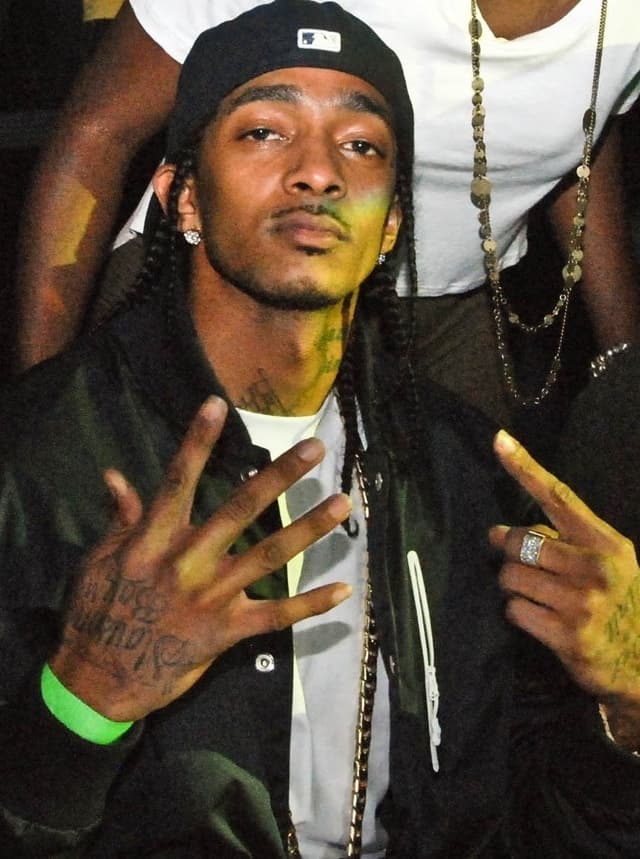
Ermias Joseph Asghedom walked through Crenshaw with the confidence of someone who understood the neighborhood's codes and the patience to build something lasting. As Nipsey Hussle, he turned the Slauson Avenue block where he grew up into a headquarters for a different kind of hustle—one measured in ownership, equity, and community investment rather than just platinum plaques. His death in March 2019, murdered outside his Marathon Clothing store at 33, cut short a career that had only recently reached mainstream recognition but had already redefined what independent success could mean in hip-hop.
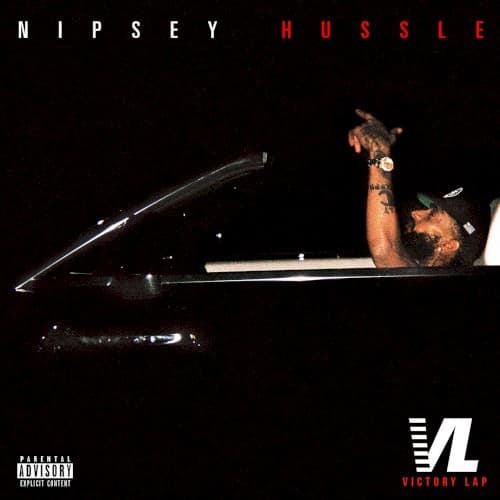
Nipsey's approach defied the traditional major label sprint. He spent over a decade perfecting an independent model that treated music as intellectual property and fans as investors. The Crenshaw mixtape sold for $100 per copy in 2013—Jay-Z bought 100—proving demand existed for premium independent releases. When Victory Lap finally arrived in 2018 as his debut studio album, it felt less like a rookie effort and more like the culmination of a long-game strategy that prioritized sustainability over hype cycles. The Grammy nomination that followed validated not just the music but the entire marathon philosophy.
Beyond the records, Nipsey functioned as a community architect. Marathon Clothing wasn't just merch—it was a tech-integrated retail experiment in a neighborhood starved for investment. He bought property, hired locally, and spoke openly about economic empowerment and STEM education. Where other rappers performed philanthropy, Nipsey built infrastructure. His influence stretched from Crenshaw to Silicon Valley, from street corners to venture capital meetings, creating a blueprint that merged West Coast rap authenticity with entrepreneurial vision.
Crenshaw Narratives: Nipsey Hussle's Sound and Storytelling
Nipsey's voice carried the weight of someone who had seen both sides of the street and chose deliberate narration over flashy performance. His flow moved with an unhurried confidence—clear enunciation, measured cadence, conversational delivery that prioritized message over acrobatics. He didn't shout for attention. He commanded it through specificity, painting Crenshaw in such vivid detail that listeners felt the California sun and understood the block dynamics without needing translation.
Production-wise, Nipsey favored West Coast trunk rattle—deep 808s, melodic synth lines, and enough space for his storytelling to breathe. Collaborators like DJ Khalil, Mike & Keys, and 1500 or Nothin crafted soundscapes that nodded to Dr. Dre's G-funk legacy while incorporating modern trap elements and soulful samples. Victory Lap showcased this balance perfectly: tracks like "Rap Niggas" bumped with classic West Coast swagger while "Dedication" featuring Kendrick Lamar floated over ethereal keys that gave both MCs room to reflect on purpose and mortality.
His content separated him from peers. Where many focused solely on come-up narratives or street tales, Nipsey threaded economic literacy through his bars. He rapped about real estate, equity stakes, and generational wealth with the same authenticity others brought to trap tales. Lines about stock options and business plans never felt forced because they emerged from lived experience. He made financial education sound like the logical extension of street wisdom, transforming the hustler archetype into the entrepreneur without abandoning the cultural context that shaped him.
From Mixtape Marathon to Victory Lap: Nipsey Hussle's Independent Ascent
Nipsey's early career unfolded in the mid-2000s Los Angeles underground, where he built reputation through mixtapes that documented Crenshaw with journalistic precision. Slauson Boy Volume 1 in 2005 announced his presence, but the Bullets Ain't Got No Name series established his identity—a rapper who could narrate street realities without glorification or apology, always emphasizing the mental game required to survive and eventually transcend.
The decision to remain independent when major labels came calling defined his trajectory. While peers signed deals for advances and radio push, Nipsey retained ownership and developed direct relationships with his audience. The Mailbox Money mixtape in 2014 reinforced this model, distributed through his own All Money In label. He wasn't anti-industry; he was pro-ownership. Guest appearances on tracks by Drake, Rick Ross, and YG kept him visible in the mainstream conversation while his business model remained defiantly autonomous.
Crenshaw in 2013 marked a turning point. Selling a mixtape for $100 challenged every convention about music distribution, scarcity, and value. Critics initially scoffed, but all 1,000 copies sold out. Jay-Z's public purchase of 100 copies validated the concept and brought attention to Nipsey's broader vision. It wasn't a gimmick—it was economic theory in practice, treating art as premium commodity and superfans as patrons. The move generated more industry conversation than many platinum albums that year.
Marathon Clothing opened in 2017, a smart store integrated with augmented reality features developed with tech partners. Customers could unlock exclusive content through their phones while shopping. The store represented Nipsey's belief that cultural authenticity and technological innovation weren't opposites—they were complementary forces that could uplift communities when combined intentionally. He discussed the concept in tech conferences and hood barbershops with equal fluency.
Victory Lap arrived February 2018 through Atlantic Records in a partnership structure that preserved significant creative control. The album debuted at number four on the Billboard 200, proof that the marathon approach could achieve commercial validation without compromising vision. Features from Kendrick Lamar, Diddy, and YG added star power, but the album's core remained Nipsey's narrative—hustler turned businessman, street philosopher turned community developer. Tracks like "Victory Lap" and "Hussle & Motivate" became anthems for a different kind of success story.
The Grammy nomination for Best Rap Album positioned Nipsey alongside Cardi B, Mac Miller, Pusha T, and Travis Scott. He didn't win, but the recognition mattered symbolically—validation that independent artists building long-term value could compete with industry machinery. Plans were underway for a sophomore album, more business ventures, and expanded community programs when his life ended outside his own store on March 31, 2019.
Economic Empowerment and Cultural Memory: The Enduring Nipsey Hussle Impact
Nipsey's death transformed him into a symbol larger than his recorded catalog. The outpouring following his murder revealed how deeply his work had resonated—not just with hip-hop heads but with entrepreneurs, community organizers, and people who saw him as proof that success didn't require abandoning your neighborhood. His memorial service at Staples Center drew 21,000 attendees and was broadcast globally. President Obama sent a letter. Gang rivals called temporary truces. The cultural response transcended typical celebrity mourning because Nipsey represented tangible possibility rather than just aspirational fantasy.
His influence on hip-hop business models continues expanding. Artists now routinely reference the marathon mentality when discussing independence and ownership. The idea that you can sell 1,000 units at premium prices rather than chase millions of streams for pennies has become legitimate strategy. Labels have adapted, offering more flexible deals that preserve artist equity. Nipsey didn't invent artist independence, but he provided a contemporary blueprint that merged old-school ownership principles with new-school technological possibilities.
The comparison to The Game makes sense regionally—both Compton-adjacent artists who updated West Coast narratives for new eras—but Nipsey's business dimension added layers Game never emphasized. His work connects more closely to the entrepreneurial consciousness of Jay-Z and the community-first approach of Common, filtered through distinctly Los Angeles geography and gang culture realities. Younger West Coast artists like Vince Staples and YG cite his model as inspiration, proving the marathon continues through those who learned from his example.
Crenshaw and Slauson remains a pilgrimage site. Marathon Clothing has become a memorial where fans leave flowers, candles, and handwritten notes. The intersection represents more than where a rapper died—it symbolizes the possibility of transforming your block into something meaningful. The Vector 90 STEM center and coworking space Nipsey co-founded continues operating, providing resources for South LA youth interested in technology and entrepreneurship. His family maintains the business ventures and community programs, ensuring the infrastructure outlasts the individual. In an industry that often measures legacy in chart positions and streaming numbers, Nipsey built something harder to quantify but more enduring—proof that you could win the marathon by changing the rules of the race.