The scorecard
3.9/10 · Poor
- Writing25%
- 4.0
- Production25%
- 4.5
- Delivery15%
- 4.5
- Cohesion15%
- 3.0
- Originality10%
- 2.5
- Replay value10%
- 3.5
Guest stars write most of the verses while Run delivers competent but safe rhymes and DMC barely appears
Jam Master Jay's beats compete with a parade of outside producers chasing radio trends from nu-metal to R&B ballads
Run sounds committed when he shows up but the album substitutes his energy with guest vocalists doing their own material
Twelve tracks that could be from twelve different albums with no throughline beyond the Run-DMC name on the cover
Borrows the Down with the King guest strategy but strips away any vision about what Run-DMC should sound like in 2001
Queens Day and the title track reward repeat listens but most songs feel like contractual obligations
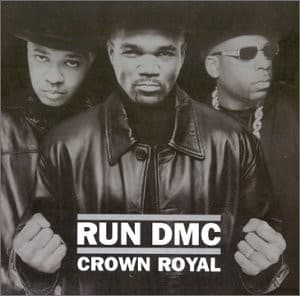
Run-DMC Crown Royal — The Kings Who Gave Away the Throne
Crown Royal fails because it never decides what a Run-DMC album should be in 2001. The group that built hip-hop on the back of three voices, one turntablist and no apologies arrives here with a guest on eleven of twelve tracks, most of whom sound like they are recording for different projects. Fred Durst barks over DJ Lethal's electronics on Them Girls, Stephan Jenkins croons through Rock Show like it is a Third Eye Blind B-side, Jagged Edge turns Let's Stay Together into a slow jam that could be on any R&B compilation. Run shows up to rap his verses. DMC barely shows up at all. The throne stays empty.
The problem is not collaboration. Down with the King worked in 1993 because Pete Rock and Q-Tip were building tracks around what Run-DMC did best. Crown Royal invites guests to do whatever they want and pastes Run's rhymes into the margins. When Nas and Prodigy lock in on Queens Day over a Jam Master Jay beat that sounds like Hollis in 1986, the album remembers what it could have been. When Kid Rock takes over The School of Old with his own backing band, the album forgets Run-DMC invented the template he is borrowing. The distance between those two tracks is the distance between a final statement and a label compilation.
When the Production Came from Everywhere but the Group
Jam Master Jay produced or co-produced seven of the twelve tracks, which means five came from outside the crew: Kid Rock handled his own song, Stephan Jenkins brought his own producer for Rock Show, Jermaine Dupri built the bookends. The split makes sense on paper as a way to bridge eras, but Crown Royal never integrates the approaches. Jay's beats on Queens Day, the title track, and Ay Papi have the spare drum programming and rock guitar loops that defined the group's best work. They leave space for rapping. The outside productions bury the rapping under layers of melody and guest vocals fighting for the hook.
Run's writing stays competent throughout but rarely pushes past workmanlike. On Queens Day he trades bars with Nas and Prodigy about Hollis and Queensbridge without embarrassing himself, but he does not match their specificity. On the title track he delivers the group's history in broad strokes that any fan already knows. On Them Girls he plays hype man to Fred Durst's rasp. The rhyme schemes are clean, the flow is still there, but the hunger that made Raising Hell essential never appears. DMC's absence makes the problem worse: the call-and-response that powered the earlier catalog is gone, replaced by Run handling double duty or ceding the track to whoever showed up that day.
The guest verses range from engaged to contractual. Nas sounds locked in on Queens Day, Fat Joe matches the energy on Ay Papi, Method Man does Method Man on Simmons Incorporated. Everlast coasts through Take the Money and Run, Stephan Jenkins sings through Rock Show like he is contractually obligated to be there, Fred Durst shouts at the beat on Them Girls without finding a pocket. The problem is not talent but intention: most of these artists are executing their own sound, not building something with Run-DMC. The album sounds like a producers' compilation where the hosts got pushed to the side.
The mixing buries the drums under guitars on multiple tracks and pushes the guest vocals higher than Run's, which makes the sequencing feel even more scattered. Three R&B features in twelve songs is a choice that might work on a pop-rap album; on a Run-DMC album it reads like Arista wanted a hit and did not care how they got it.
The Album That Never Finds a Lane
Crown Royal opens with It's Over, a Jermaine Dupri track that sounds like late-90s So So Def radio and sets the tone for the confusion that follows. The sequencing puts Queens Day second, which means the album's best moment arrives before the listener understands what the album is trying to be, then immediately pivots to the title track's straightforward East Coast boom-bap. From there the record lurches between rock crossovers, R&B ballads, and traditional hip-hop without ever committing to one or building momentum toward another.
The middle stretch from Them Girls through Here We Go 2001 is where the album falls apart. Four consecutive tracks with four radically different production styles, none of which sound like they belong next to each other: nu-metal posturing, Kid Rock Americana, Everlast's blues-rap, Third Eye Blind adult alternative. By the time Sugar Ray shows up on Here We Go 2001 to remake the original Here We Go as a ska-punk novelty, the album has spent so much capital chasing trends that nothing feels necessary. The back half stabilizes slightly with Jagged Edge's smooth R&B and Fat Joe's New York flex, but the damage is done. At forty-four minutes Crown Royal still feels too long because half of it does not need to exist.
The Final Album That Forgot What Made the Group Matter
Crown Royal ranks last in the Run-DMC catalog by a wide margin, far below the focused aggression of Raising Hell and the crafted comeback of Down with the King. Where Down with the King used guests to complement the group's strengths, Crown Royal uses guests to replace them. This is an album for completists who need to hear every Run-DMC release and for fans curious about what a 2001 major-label compromise sounds like when nobody involved can agree on the direction. Casual listeners should skip it entirely: nothing here improves on what the earlier albums already proved, and the missteps outnumber the successes by a wide margin.
The album has aged poorly, not because the sound is dated but because the strategy was already outdated when it arrived. Inviting Limp Bizkit and Third Eye Blind to a Run-DMC album in 2001 was a label's idea of crossover, not an artist's idea of evolution. Two decades later it plays like a document of bad decisions, made worse by the knowledge that this was the group's last chance to define their legacy before Jam Master Jay's murder ended the story.
Start with Queens Day and the title track if you need to hear Run-DMC in the 2000s. Then go back to Raising Hell and remember why the crown mattered in the first place. If you want to hear what happens when pioneers let the industry write the script, Crown Royal is the cautionary tale. If you want to hear Run-DMC at their best, this is not the album."standoutTracks":"The opening stretch sounds like late-90s So So Def radio and sets the tone for the confusion that follows. The sequencing puts the album's best moment second, which means it arrives before the listener understands what the album is trying to be, then immediately pivots to straightforward East Coast boom-bap. From there the record lurches between rock crossovers, R&B ballads, and traditional hip-hop without ever committing to one or building momentum toward another.
The middle stretch is where the album falls apart. Four consecutive tracks with four radically different production styles, none of which sound like they belong next to each other: nu-metal posturing, Kid Rock Americana, blues-rap, adult alternative. By the time ska-punk novelty remakes arrive, the album has spent so much capital chasing trends that nothing feels necessary. The back half stabilizes slightly with smooth R&B and New York flex, but the damage is done. At forty-four minutes Crown Royal still feels too long because half of it does not need to exist."}
Track by track
Track Listing
It's Over
SolidJermaine Dupri produces a late-90s bounce track with shimmering synths and a sing-song hook that sounds like it belongs on a So So Def compilation, not a Run-DMC album. Run delivers competent verses about the group's history and legacy, but the production pushes him to the side in favor of Dupri's melody. The song works as a radio-ready opener for a different artist; here it announces that the album will prioritize crossover appeal over the sound that built the brand.
Queens Day
StandoutThe album's peak by a significant margin. Jam Master Jay builds a spare, head-nodding beat with a filtered vocal loop and hard drums that sound like mid-80s Hollis. Nas opens with a verse about Queensbridge that matches Run's Queens pride bar for bar, and Prodigy follows with his usual menace. Run holds his own in the cipher without trying to out-technical his guests, which is the right choice: his job here is to anchor the posse cut, and he does it. The chemistry between all three rappers is natural, the production leaves space for the words, and the sequencing works as a conversation about New York boroughs. This is what Crown Royal could have been if the guest features had been chosen for fit instead of marketing.
Crown Royal
SolidThe title track leans into the group's legacy with a mid-tempo beat built on guitar stabs and a thick bassline. Run chronicles the career in broad strokes without the specificity that would make the story compelling, and DMC finally appears for a handful of bars that remind the listener how much his voice is missing from the rest of the album. The beat is solid but unambitious, and the writing never rises above competent. A title track should be a statement; this one is a placeholder.
Them Girls
WeakFred Durst barks over a DJ Lethal beat that sounds like a Limp Bizkit album cut, all distorted electronics and lurching drums. Run delivers a handful of verses about women that repeat the same ideas without adding detail, and Durst dominates the track with his rasp and his energy. The song might work on a nu-metal compilation; on a Run-DMC album it feels like a label executive's idea of reaching the TRL audience. The production buries the rapping, the hook is forgettable, and the whole track sounds like a compromise nobody wanted to make.
The School Of Old
WeakKid Rock takes over completely: he produced the track, he raps most of it, he brought his own backing band to play Southern rock guitar and banjo. Run shows up for a verse that gets lost in the mix, and the song plays like a Kid Rock album track with a Run-DMC guest spot rather than the other way around. The production is competent for what it is, but what it is has nothing to do with the group hosting the album. This is the clearest example of Crown Royal's central problem: guests doing their own thing while Run-DMC watches from the side.
Take The Money And Run
WeakEverlast brings his bluesy, acoustic-leaning production and his gravelly singing to a track that sounds like it belongs on his own album. Run raps a verse about struggle and survival that never gets specific, and the song meanders through its nearly four minutes without building to anything. The mix pushes Everlast's vocals higher than Run's, and the delta-blues guitar loop dominates the arrangement. Everlast's lane works for Everlast; it does not work for Run-DMC, and the track drags as a result.
Rock Show
WeakStephan Jenkins of Third Eye Blind croons through the verses and hook over mid-tempo alternative rock guitars and programmed drums. Run raps a handful of bars that could have been written for any rock-rap crossover, and the song sounds exactly like a Third Eye Blind B-side with a guest rapper pasted in. The production is professional, the melody is smooth, and none of it has anything to do with what Run-DMC does well. This is the album's most shameless attempt at chasing a different audience, and it fails because it forgets to give the audience a reason to care about the host.
Here We Go 2001
WeakSugar Ray remakes Here We Go as a ska-punk novelty with horns, a bouncing bassline, and Mark McGrath singing half the song. The original was a battle cry; this version is a party track that sacrifices all the aggression for crossover appeal. Run raps his verses with energy, but the production and the guest vocals turn the song into a Sugar Ray track that happens to sample a Run-DMC classic. The horns are grating, the mix is cluttered, and the whole song feels like a bad idea that nobody had the authority to stop.
Ahhh
SolidA slower, more contemplative track with a mellow guitar loop and understated drums. Run reflects on the group's journey and the challenges of staying relevant, and the writing is more specific than most of the album without being great. Chris Davis handles the sung hook, which is competent but forgettable. The production gives Run space to rap, and the song works as a brief respite from the chaos around it, but it does not do enough to justify its four-minute runtime.
Let's Stay Together (Together Forever)
SolidJermaine Dupri produces a smooth R&B ballad with Jagged Edge handling the sung verses and hook while Run raps a handful of bars about love and commitment. The production is polished and radio-ready, the melody is catchy, and the whole song sounds like it belongs on a Jagged Edge album. Run's verses are fine but unnecessary: the song would work without him, which is exactly the problem. This is the third time in twelve tracks that the guest artist dominates to the point where Run-DMC becomes the feature, and the pattern has stopped being a strategy and started being a surrender.
Ay Papi
StandoutFat Joe and Run trade verses over a Jam Master Jay beat with a Latin-flavored piano loop and hard drums. The chemistry is solid, both rappers match the energy, and the production stays out of the way. Joe's verse about Bronx life and Run's verse about Queens pride work as a back-and-forth without trying to be more than a posse cut. This is one of the few tracks where the guest collaboration feels natural rather than forced, and the song benefits from the simplicity: two New York rappers over a New York beat, no crossover gimmicks required.
Simmons Incorporated
SolidMethod Man and Run trade verses over a Jam Master Jay beat with a looped vocal sample and head-nodding drums. The track was originally released in 1998 as The Beginning, and it sounds like a leftover from that era: solid but not essential. Method Man delivers his usual charisma, Run matches his intensity, and the beat gives both rappers room to work. The song functions as a competent closer that returns to traditional hip-hop after the chaos of the middle stretch, but it does not do enough to redeem the album's weaknesses or leave the listener with a memorable final impression.