From Harlem Mixtapes to Global Stardom: A$AP Rocky's Cultural Ascent
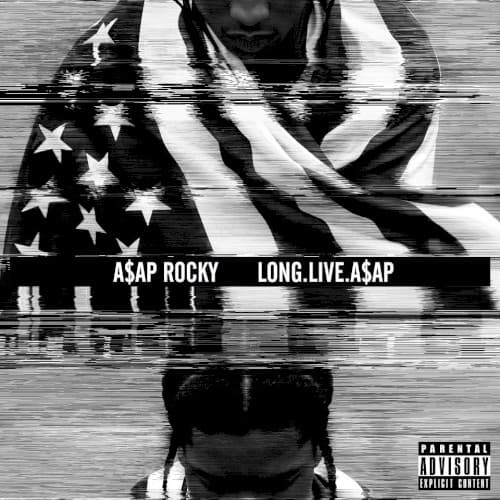
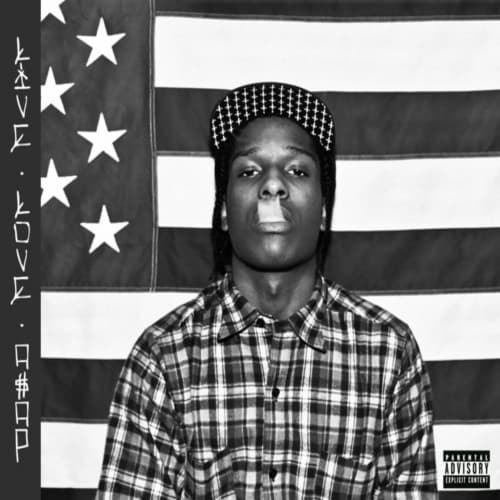
When Rakim Athelaston Mayers uploaded LIVE.LOVE.A$AP to the internet in October 2011, he didn't just launch a career—he announced a new aesthetic language for hip-hop. The Harlem-raised rapper, performing as A$AP Rocky, arrived with a sound that felt simultaneously nostalgic and futuristic, pairing Southern production influences with psychedelic atmosphere and New York swagger. Within months, the mixtape's viral success transformed him from an unknown 22-year-old into one of rap's most hyped prospects, earning a $3 million joint record deal with RCA and Polo Grounds Music before releasing a single official album.
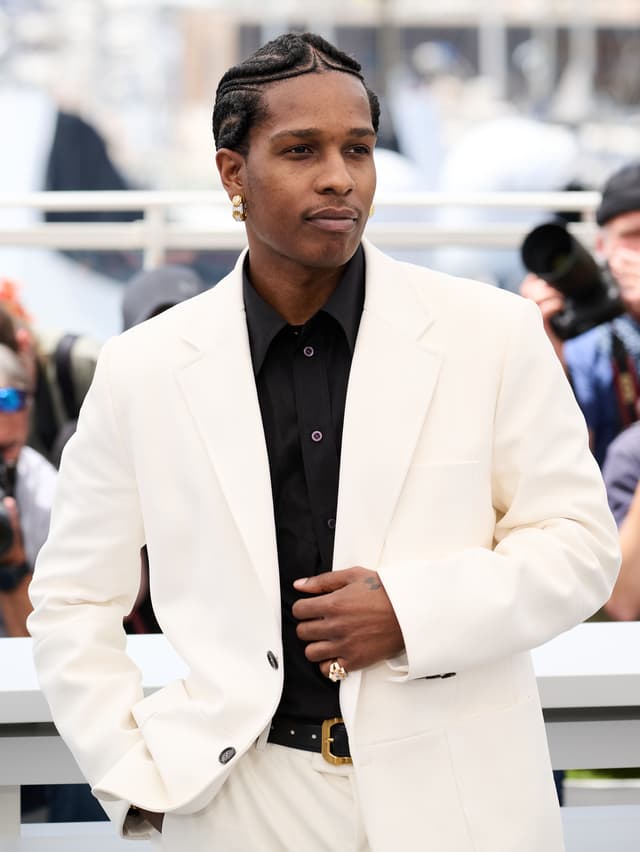
Rocky's significance extends beyond his catalog. He emerged as the public face of the A$AP Mob, a Harlem collective that redefined how hip-hop crews operate in the digital age—part creative collective, part fashion movement, part business enterprise. His influence permeates contemporary rap's approach to production, fashion integration, and global branding. Where many rappers treated style as secondary, Rocky positioned it as equal to the music itself, attending fashion weeks and landing campaigns with Dior and Gucci while maintaining street credibility.
What distinguishes Rocky's trajectory is his refusal of regional orthodoxy. He borrowed liberally from Houston's chopped-and-screwed tradition, Memphis production aesthetics, and cloud rap's ethereal textures while rooting his perspective in Harlem's legacy. This synthesis—combining Pimp C references with Clams Casino beats, luxury fashion with block mentality—created a template that artists from Travis Scott to Playboi Carti would build upon. His career represents hip-hop's transition from regional identities to globalized, genre-fluid expression.
Purple Haze and Designer Drip: A$AP Rocky's Sonic and Visual Aesthetic
Rocky's production choices define his artistic identity as much as his rapping. His early work with Clams Casino, SpaceGhostPurrp, and other underground producers established a signature sound: hazy, reverb-drenched beats with slowed tempos, melancholic samples, and atmospheric depth. Tracks like "Peso" and "Purple Swag" felt narcotic and dreamlike, earning the cloud rap designation—a subgenre Rocky helped popularize despite never fully embracing the label. These productions created space rather than filling it, allowing Rocky's flow to weave through negative space with stoned confidence.
His rapping style balances technical proficiency with stylistic swagger. Rocky's flow shifts fluidly between triplet patterns, extended internal rhyme schemes, and laid-back drawls that recall Southern influences. He's less concerned with lyrical complexity than with cadence and pocket—how words sit against beats, how syllables create rhythm. His vocal delivery often sounds effortless, almost nonchalant, which paradoxically requires significant skill to maintain across varied production. When he accelerates into double-time or experiments with melody, it feels organic rather than forced.
Visually, Rocky treats music videos and live performances as fashion statements. His aesthetic draws from Harlem's rich style history while incorporating high fashion, streetwear, and subcultural references. This visual dimension isn't superficial—it's integral to his artistic statement. The purple-tinted videos, the designer collaborations, the runway appearances all reinforce the music's luxury-meets-street duality. Where previous generations separated "conscious" from "commercial," Rocky collapses such binaries, presenting artistic ambition and material success as complementary rather than contradictory goals.
Fashion Forward and Sonically Fearless: A$AP Rocky's Lasting Cultural Imprint
Rocky's most enduring contribution may be normalizing the rapper-as-aesthete archetype. Before him, hip-hop had fashion-conscious artists, but few integrated high fashion so thoroughly into their artistic identity while maintaining credibility across audience segments. His presence at Paris Fashion Week, his Dior campaigns, his collaborations with Raf Simons and JW Anderson—these weren't side hustles but core elements of his cultural project. This opened doors for subsequent artists to embrace fashion without accusations of selling out or losing authenticity.
Musically, his influence on cloud rap and atmospheric hip-hop production remains significant. While he didn't invent the sound, his mainstream success validated its commercial viability. Producers like Clams Casino gained wider recognition through his platform. Artists from Travis Scott to Playboi Carti built careers on sonic foundations Rocky helped establish—prioritizing vibe and texture over traditional song structure, embracing druggy psychedelia, blending regional influences into globalized sounds. His willingness to experiment with unconventional producers and sounds expanded hip-hop's sonic possibilities during a commercially conservative era.
Yet Rocky's legacy includes unfulfilled potential. After three albums in five years, his output slowed dramatically. TESTING's mixed reception and subsequent legal troubles interrupted his momentum. While he remains culturally relevant through fashion and celebrity, his musical impact has plateaued. Younger artists absorbed his innovations and pushed them further while Rocky's own evolution stalled. His influence is undeniable, but questions linger about whether he'll add meaningful chapters to his discography or remain primarily a figure of early-2010s importance. Still, LIVE.LOVE.A$AP endures as a generational touchstone—a project that captured a specific moment while shaping the decade that followed.