From Correctional Officer to Rap Royalty: Rick Ross's Unlikely Ascent
William Leonard Roberts II emerged in 2006 as Rick Ross, a larger-than-life persona built on maximum opulence and street credibility—a combination that initially seemed precarious when his past as a correctional officer surfaced. Rather than derail his career, the controversy became a footnote to something more compelling: Ross's ability to craft an alternative vision of Southern hip-hop success. Where Atlanta dominated the 2000s with crunk energy and snap music, Miami's heavyweight offered something denser—orchestral production, mafia film aesthetics, and a voice that rumbled like luxury sedan engines.
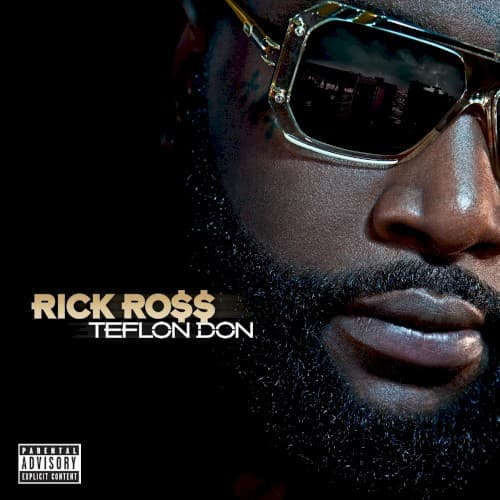
Ross didn't invent luxury rap, but he perfected its modern form. His catalog runs deep with references to Italian marble, imported seafood, and real estate holdings, yet the delivery never feels like mere fantasy. There's weight to his observations about empire-building, a specificity in how he describes wealth accumulation that connects with listeners navigating their own aspirations. By the time Teflon Don arrived in 2010, Ross had established himself as more than a singles artist—he was constructing a cinematic universe where each album felt like a new chapter in an ongoing crime saga.
Beyond his solo work, Ross built Maybach Music Group into one of hip-hop's most consistent independent labels, providing a platform for Meek Mill, Wale, and others while maintaining creative control. His influence on the last fifteen years of rap extends beyond his own releases into A&R vision, executive production, and an understanding of how to sustain relevance without chasing trends. Miami's heat and excess permeate every Ross project, but so does a strategic mind that turned potential liability into multi-decade dominance.
Cinematic Maximalism: The Sonic Architecture of Rozay
Ross's vocal presence operates in a register few can replicate—a baritone that conveys authority without shouting, delivering threats and menu descriptions with equal gravitas. His flow favors deliberate pacing over technical gymnastics, prioritizing punchline placement and phrase emphasis. Where some rappers race through verses, Ross lets beats breathe around him, his cadence matching the tempo of Maybach engines rather than sports cars. This approach demands production that can support weight: layered strings, horn sections, soul samples pitched down to church organ depth.
The Teflon Don era showcases this aesthetic at its peak. Tracks built on lush orchestration—J.U.S.T.I.C.E. League's dramatic compositions, No I.D.'s soul-drenched arrangements—create space for Ross to inhabit. His production choices consistently favor richness over minimalism: multiple melodic elements competing for attention, basslines that rattle trunk speakers, and hi-hats that shimmer rather than snap. There's an almost Baroque quality to prime Ross records, where every available frequency gets filled with something luxurious.
Collaborators understand the assignment. When working with The-Dream, the result leans into R&B smoothness. DJ Khaled productions emphasize anthemic qualities. Boi-1da brings modern trap sensibilities without sacrificing the grandeur Ross requires. The common thread is density—Ross thrives on tracks that sound expensive, that suggest recording budgets as substantial as the lifestyles he describes. His ear for beats that complement rather than overshadow his delivery separates casual Ross tracks from the catalog highlights that reward headphone listening.
Building the Maybach Music Empire: Album by Album Dominance
Port of Miami (2006) introduced a fully formed persona, debuting at number one with "Hustlin'" as its calling card—a track so infectious it became shorthand for the Ross approach. The album established templates Ross would refine: street narratives elevated through production value, hooks designed for strip club rotation and radio crossover simultaneously, and features that brought credibility (Jay-Z's appearance signaled co-sign from the throne).
Trilla (2008) and Deeper Than Rap (2009) expanded the formula, but Teflon Don represented creative peak. Released in 2010 during an era when Southern rap was fragmenting into trap, crunk remnants, and regional variations, Ross delivered cohesion. "B.M.F. (Blowin' Money Fast)" became cultural phenomenon beyond its chart position, the kind of track that defines an artist's relationship with audiences. The album balanced club-ready material with introspective moments, showcasing range within Ross's chosen lane. At 7.4/10, Teflon Don earns its place as the Ross essential—the project where ambition, execution, and cultural timing aligned.
God Forgives, I Don't (2012) chased a more experimental sound with mixed results, while Mastermind (2014) returned to core strengths. What's remarkable about Ross's discography is consistency rather than reinvention—he identified a successful approach and refined it across Hood Billionaire, Black Market, Rather You Than Me, and Port of Miami 2. Some criticized this as repetitive; others recognized it as mastery of form. Ross didn't chase trends toward melodic rap or drill influences. He built a lane and defended it.
As label head, Ross proved as strategic as any rap mogul. Signing Meek Mill before Dreams and Nightmares, supporting Wale through multiple album cycles, and curating Maybach Music compilations that felt like events rather than contractual obligations. The label's aesthetic—luxury, ambition, expensive music videos—reflected Ross's personal brand while allowing artists to develop distinct identities. When Meek's battle with Drake dominated 2015, Ross demonstrated loyalty even as industry peers distanced themselves.
Recent years find Ross settled into veteran status, releasing albums that satisfy core audiences without demanding constant reinvention. Richer Than I Ever Been (2021) and Too Good to Be True (2023) lack the cultural impact of peak-period work, but maintain quality control. At this stage, Ross operates as institution—someone whose presence on a track still carries weight, whose album announcements generate anticipation from a dedicated base, and whose influence on luxury rap's popularization remains undeniable.
The Rozay Effect: Redefining Success in Southern Hip-Hop
Ross's most significant contribution might be demonstrating that Southern rappers could build empires on different foundations than Atlanta's established model. While Trap Muzik and crunk dominated early 2000s Southern rap, Ross offered an alternative—slower tempos, more expensive production, narratives focused on aspiration rather than just survival. This opened doors for artists like Curren$y, Gunplay, and later figures who understood that regional success didn't require adopting Atlanta's sonic blueprint.
The luxury rap lane Ross perfected influences contemporary artists even when they don't acknowledge it. Westside Gunn's Griselda aesthetic owes debts to Ross's appreciation for fashion and art world references mixed with street content. Drake's incorporation of opulent imagery and contemplation of wealth's complications builds on groundwork Ross laid. When Future raps about private jets and designer drugs, he's working territory Ross helped make commercially viable for Southern artists.
Beyond musical influence, Ross's career navigation offers lessons in crisis management and brand rehabilitation. The correctional officer controversy could have ended careers; Ross turned it into a punchline he owned. Legal troubles, health scares, public feuds—Ross weathered each while maintaining commercial viability. His longevity in an era of rapid artist turnover speaks to understanding audience retention and knowing when to adapt versus when to double down on core strengths. Ross bet on himself, built infrastructure around his vision, and created a template for independence that doesn't require abandoning major label resources. That's the Miami way—finding angles others miss, turning perceived weakness into positioning, and never letting the truth interfere with a good story told convincingly enough to become its own reality.