The scorecard
6.8/10 · Good
- Writing25%
- 8.0
- Production25%
- 5.5
- Delivery15%
- 7.0
- Cohesion15%
- 6.5
- Originality10%
- 7.5
- Replay value10%
- 6.0
Delivers vivid street journalism on standout tracks like "Brenda's Got a Baby" and "Trapped," though the weaker songs repeat points with less precision and the album says more than it needs to across its runtime.
The Underground Railroad crew provides functional but forgettable beats that rarely match the urgency of the rapping, with flat drums and thin textures throughout.
Raw and unpolished but already charismatic, with a voice that carries conviction even when the flow stumbles over dense syllable counts.
Thirteen tracks of social commentary hold a clear theme but sag in the middle stretch, and the sequencing buries the strongest material.
Among 1991 debut albums, few matched this level of political focus and narrative detail, though the stance itself echoed Ice Cube and Public Enemy.
The writing rewards attention but the thin production and uneven pacing make full playthroughs a chore; most listeners will extract three or four tracks.
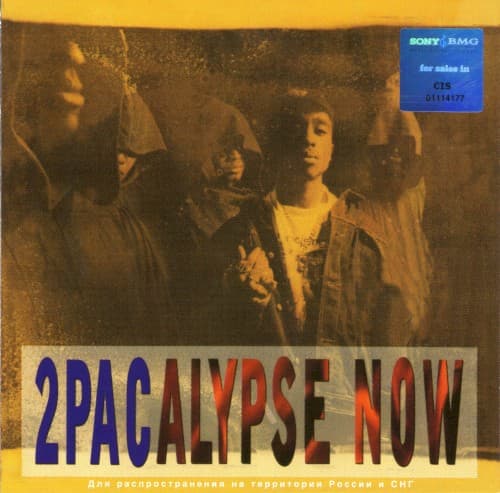
2Pac 2Pacalypse Now — The Rookie Who Skipped the Warm-Up
Most rap debuts in 1991 spent half their runtime proving the artist could rap at all. 2Pac used his first album to indict the country. 2Pacalypse Now arrived with a thesis already formed: that young Black men were being hunted, caged and abandoned by every institution meant to protect them, and that the violence in the streets was a rational response to the violence from above. The argument landed with enough force that a vice president demanded the album be pulled from shelves after a defense attorney cited it in a murder trial. Quayle's claim that the record had no place in society was exactly the point—2Pac was documenting the lives society had already decided had no place.
The album's strength is not its music but its writing. Tracks like "Brenda's Got a Baby" and "Trapped" deliver narrative detail and emotional clarity that most veterans never manage, while "Soulja's Story" and "Words of Wisdom" lay out the systemic case with the patience of a prosecutor. The rookie missteps are obvious—the production from Digital Underground's Underground Railroad crew is flat and forgettable, the sequencing buries the best songs, and the runtime includes several tracks that add nothing. But the core songs reveal a writer who understood the difference between anger and argument, and who could turn a news story into a parable without losing the human details. What the album proves is that 2Pac arrived with the skill set and the convictions already in place; the years that followed would sharpen the presentation and deepen the contradictions, but the foundation was set on the first day.
The Writing Carries What the Beats Cannot
The production on 2Pacalypse Now is the album's clearest weakness. The Underground Railroad crew—Big D the Impossible, Shock G, Pee-Wee, DJ J-Z, Raw Fusion and Live Squad—built skeletal tracks that sound like demo sketches waiting for the final mix. The drums are flat and programmed without swing, the basslines sit low in the mix or disappear entirely, and the samples are chopped without texture or atmosphere. "Trapped" loops a spare piano riff over a basic snare pattern that never builds momentum, while "Violent" stretches a thin groove past six minutes without variation. The few tracks that work sonically—"Brenda's Got a Baby" with its melancholy guitar loop, "Rebel of the Underground" with its jagged funk stabs—succeed because they stay out of the way. This was not boom-bap craftsmanship or G-funk innovation; it was functional backing for a writer who needed to be heard.
The writing, though, is several tiers above what a debut album typically delivers. 2Pac came out of Digital Underground's crew but left behind their playful surrealism for a street journalism that named names and gave dates. "Brenda's Got a Baby" tells the story of a twelve-year-old mother in vivid, unsparing detail—the pregnancy hidden under baggy clothes, the baby left in a trash heap, the turn to sex work as the only available income—and never collapses into sentiment or sloganeering. "Soulja's Story" narrates a robbery and shooting from the inside, tracking the adrenaline and paranoia and the casual cruelty of survival crime, while "Trapped" lays out the logic of police harassment and incarceration as a system designed to recycle bodies. The specificity is what separates the album from the broader wave of conscious rap in 1991: where others offered analysis, 2Pac offered testimony.
The delivery is raw and unpolished, with a voice that already carried authority but a flow that had not yet found its pocket. He crowds syllables into bars without room for them, stumbles over his own dense phrasing, and rarely rides the beat with ease. The charisma is audible—every line sounds like he believes it completely—but the technical command that would define his peak years is not here yet. Guest contributions from Pogo, Stretch and Angelique add little; the album is a solo highlight, and it shows.
The weaknesses pile up across the runtime. Tracks like "I Don't Give a Fuck" and "Tha Lunatic" repeat the same points with less precision, while "Something Wicked" is a two-and-a-half-minute interlude that goes nowhere. The sequencing is careless: "Brenda's Got a Baby," the album's most fully realized song, is buried at track ten, while the front half loads up on confrontational anthems that blur together. At thirteen tracks and fifty-four minutes, the album is longer than its ideas justify, and the production never improves enough to carry the weaker writing. What saves it is the ceiling: when 2Pac locks into a story or an argument, he writes with a clarity and urgency that most of his peers never approached.
A Front-Loaded Statement That Loses Steam
The album opens with purpose and peters out by design. The first stretch establishes the thesis with enough detail to feel like testimony rather than rhetoric, but the album never builds from there—it restates it.
The middle stretch sags under the weight of redundancy. Multiple tracks traffic in justified anger but offer little new insight, and the thin production makes them feel interchangeable. By the time "Brenda's Got a Baby" arrives at track ten, it plays like a revelation—not because the writing has improved, but because the sequencing has been burying the album's best songs.
The closing run features more storytelling, but it follows too much filler to land with full force. The album would have been tighter and more effective at nine or ten tracks; as it stands, the pacing asks the listener to wade through repetition to reach the peaks. The flow between songs is functional but joyless, with no attention to contrast or dynamics. It is a statement album that forgot to make the statement easy to hear.
The Blueprint Buried in a Rough Draft
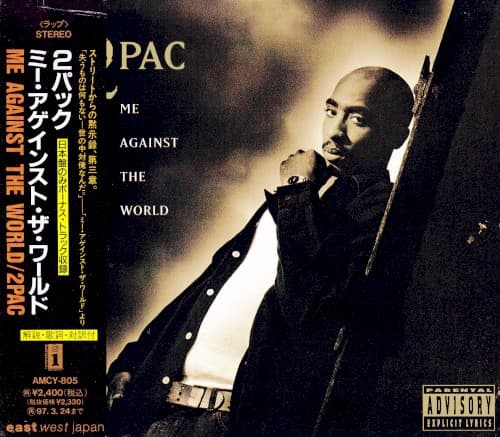
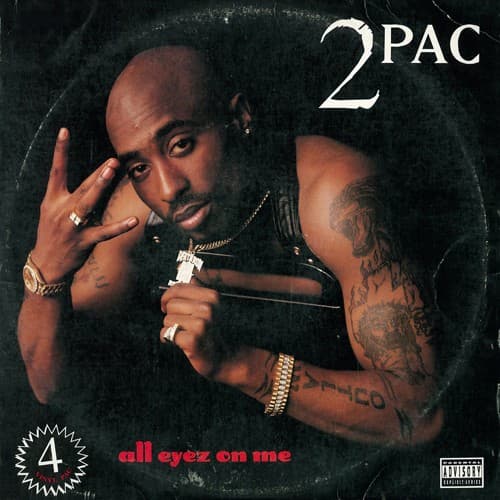
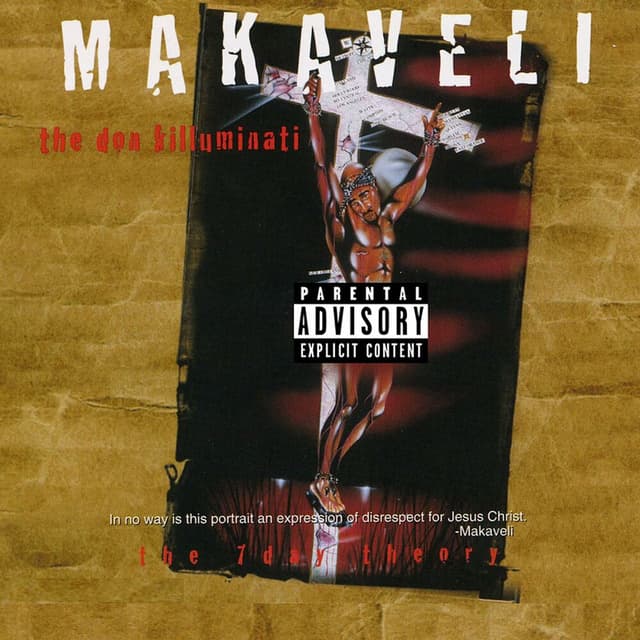
In the catalog, 2Pacalypse Now ranks last among the albums that matter. Me Against the World and The Don Killuminati represent 2Pac at his peak, with writing this sharp supported by production that amplified rather than buried it, and All Eyez on Me showed what happened when he channeled this energy into a fully realized album experience. The debut is the foundation, not the monument—proof that the skills were there from the start, but also proof that skills alone do not make a great album. The production is too weak, the sequencing too careless, and the runtime too bloated for this to stand with his best work. It is a record for 2Pac completists and for listeners interested in the origins of his worldview, not for anyone looking for his most listenable or cohesive statement.
The album is essential for understanding where 2Pac began, but it is not essential listening on its own terms. Casual fans should start with "Brenda's Got a Baby," "Trapped," and "Soulja's Story," the three tracks that show the writing at its best and preview the artist he would become. From there, the question is whether you want the full argument or just the highlights. If the former, the album rewards close attention to the lyrics but demands patience with the music. If the latter, those three songs tell you everything the other ten tracks labor to say.
For next steps, Me Against the World is the clear move—it takes the political focus of this debut and marries it to introspection, better beats, and tighter sequencing. For context, Ice Cube's Death Certificate covers similar ground with stronger production, and shows what this kind of album could sound like when the music matched the message. 2Pacalypse Now is a debut that announced a major voice; it is also a debut that the artist himself would outgrow within three years.
Track by track
Track Listing
Young Black Male
StandoutThe album opens with the thesis in full. 2Pac describes the daily reality of being surveilled, suspected, and stopped, the way a young Black man becomes a category before he becomes a person. The writing is detailed and specific—the careful walk to avoid suspicion, the hands visible at all times, the knowledge that any interaction with police could be the last. The production from Big D the Impossible is spare and minimal, a simple drum pattern and bass hum that lets the voice carry the weight. It works as an opener because it names the problem the rest of the album will explore from every angle. The flow is still finding its rhythm, with syllables packed too tight in places, but the conviction in the delivery makes the technical flaws feel minor.
Trapped
StandoutThe first single and one of the album's clearest statements. 2Pac narrates the cycle of harassment, arrest, and incarceration as a system designed to contain rather than rehabilitate, with verses that read like legal testimony and a hook that hammers the word "trapped" until it becomes the only available conclusion. Pee-Wee's production is better than most of the album—still thin, but with a piano loop that carries some melancholy weight. The writing here is among the best on the record, moving from personal experience to structural analysis without sloganeering. The song's reach—it became a flashpoint in the Quayle controversy—speaks to how clearly it articulated a reality most mainstream audiences preferred to ignore.
Soulja’s Story
StandoutA robbery-and-shooting narrative told from the inside, with enough detail to make the listener complicit. 2Pac walks through the planning, the execution, the panic when the victim fights back, and the aftermath, all without moralizing or excusing. The writing treats crime as labor—dangerous, desperate, and rational within a closed set of options—and the specificity keeps it from sliding into glorification or condemnation. Big D the Impossible's beat is basic and lo-fi, but it stays out of the way. The song works because it refuses easy answers; the violence is presented as fact, not fantasy, and the listener is left to sort out the implications.
I Don’t Give a Fuck
SolidThe aggression is justified but the writing is less focused than the opening three tracks. 2Pac and Pogo trade verses about refusal and resistance, but the song repeats points already made without adding new detail or insight. Pee-Wee's production is flat and forgettable, a looped sample and basic drum pattern that never builds energy. The track has moments—lines about systemic indifference and the futility of playing by rules designed to exclude you—but it is longer than it needs to be and arrives too soon after stronger songs. It made it onto the Grand Theft Auto: San Andreas soundtrack years later, which says more about the brand than the song.
Violent
WeakAt six and a half minutes, this is the album's longest track and one of its weakest. 2Pac addresses the accusation that rap incites violence by flipping it back on the accusers, arguing that the violence is already present in the conditions that produce the music. The argument is sound but the writing is repetitive, circling the same points without the narrative detail or rhetorical precision that makes the best tracks work. Raw Fusion's production is thin and stretched, a minimal groove that has no business running this long. The song feels like an extended B-side, useful for understanding the artist's politics but skippable in the sequencing.
Words of Wisdom
SolidShock G's production gives this track a slightly fuller sound, with layered textures and a bassline that actually moves, but the writing is still second-tier. 2Pac delivers a spoken-word-style lecture on systemic racism, education, and economic disenfranchisement, and the points are valid but the delivery is didactic rather than dramatized. The song would have been stronger at half the length, or if it had folded the analysis into a story rather than presenting it as a list of grievances. It is one of the album's more overt political statements, but it lacks the human detail that makes the best songs here feel urgent rather than abstract.
Something Wicked…
WeakA two-and-a-half-minute interlude with no clear purpose. J-Z's production is atmospheric but goes nowhere, and 2Pac's vocals are minimal and unfocused. The track feels like a studio experiment left on the album for runtime rather than for any musical or thematic reason. It is skippable filler.
Crooked Ass Nigga
SolidA diss aimed at corrupt figures in the community—dealers who exploit addicts, snitches who trade information for leniency, authority figures who abuse power for personal gain. Stretch joins for a guest verse that adds little, and the Live Squad production is basic and unmemorable. The song has some sharp writing in the first verse, where 2Pac catalogs the different forms of betrayal with specificity, but it loses momentum in the second half and never recovers. It is a solid mid-tier album track that would have worked better as a tighter three-minute cut.
If My Homie Calls
StandoutA storytelling track about loyalty and the pull between personal obligations and survival instincts. 2Pac narrates a scenario where a friend needs help and the protagonist has to weigh the risk of getting involved, and the writing captures the tension without resolving it cleanly. Big D the Impossible's production is serviceable but flat, and the song would have benefited from a more dynamic beat to match the narrative stakes. It is one of the album's better-sequenced moments, arriving after a stretch of weaker tracks and reminding the listener that 2Pac could still write when the production gave him space. The single release suggests the label recognized its strength, but it did not chart.
Brenda’s Got a Baby
StandoutThe album's best song by a wide margin, and the clearest preview of the artist 2Pac would become. The story is told with novelistic detail—a twelve-year-old girl impregnated by a cousin, abandoned by her family, forced into survival sex work, and killed by a john—and every verse adds new information without editorializing. The writing never sentimentalizes Brenda or turns her into a symbol; she remains a specific person in a specific situation, and the tragedy is presented as both individual and structural. Big D the Impossible's guitar-loop production is the album's most effective, melancholy without being overwrought, and 2Pac's delivery finds a balance between empathy and reportage. The song reached number three on the Hot Rap Songs chart and became the album's signature track for good reason: it showed what 2Pac could do when the writing, production, and performance all aligned. Burying it at track ten was a sequencing mistake that the singles release partially corrected.
Tha Lunatic
WeakA posse cut with Stretch that returns to the aggression-and-defiance mode without adding much. The writing is serviceable but redundant, covering ground already walked on earlier tracks, and Shock G's production is flat and uninspired. The track has energy but no purpose; it feels like a late-album filler cut included to pad the runtime rather than to advance any argument or showcase any new skill. Skippable.
Rebel of the Underground
SolidA closing argument that restates the album's themes with some force but little new insight. 2Pac positions himself as the voice for the voiceless, the rapper willing to say what others only think, and the rhetoric is stirring but familiar by this point in the tracklist. Shock G's production has more funk and grit than most of the album, with jagged sample stabs and a bassline that finally punches through the mix. The song works better than the tracks immediately before it, but it arrives too late to salvage the album's pacing. It is a solid closer that would have been a stronger opener.
Part‐Time Mutha
SolidThe album ends with a critique of absentee mothers, a counterpoint to the focus on systemic oppression and police violence that dominates the rest of the record. Angelique provides the hook, and 2Pac's verses describe women who prioritize drugs, partying, or new relationships over their children, with the same narrative specificity he brought to "Brenda's Got a Baby." The writing is clear-eyed and unsentimental, but the song feels like a tonal mismatch—after thirteen tracks about the violence done to Black communities, closing with a lecture about personal responsibility muddies the argument. Big D the Impossible's production is minimal and unmemorable. The track is well-executed on its own terms but poorly placed in the sequence, and it leaves the album on a sour, confused note rather than a triumphant or defiant one.
Frequently Asked Questions
Is 2Pacalypse Now 2Pac's best album?
What are the best songs on 2Pacalypse Now?
Why was 2Pacalypse Now controversial?
How does 2Pacalypse Now compare to 2Pac's later albums?
Genres
Styles