Scorecard: 8.1/10 · Great
How we score- Writing(25%)
- 7.0
The imagery is vivid but one-note: drugs, money, women, paranoia delivered in short declarative phrases that hit hard but rarely vary in content or ambition.
- Production(25%)
- 9.0
Metro Boomin and Southside build narcotic, gothic trap that sounds wet and heavy, with bass that rattles low and hi-hats that skip across the murk like something chasing you.
- Delivery(15%)
- 8.5
Future's slurred cadence turns every syllable into a half-swallowed confession, the Auto-Tune stretching his voice into something wounded and robotic at once.
- Cohesion(15%)
- 8.0
Thirteen tracks, no skits, almost no guests, every song locked into the same bleak mood; it sags slightly in the middle but never breaks the spell.
- Originality(10%)
- 7.5
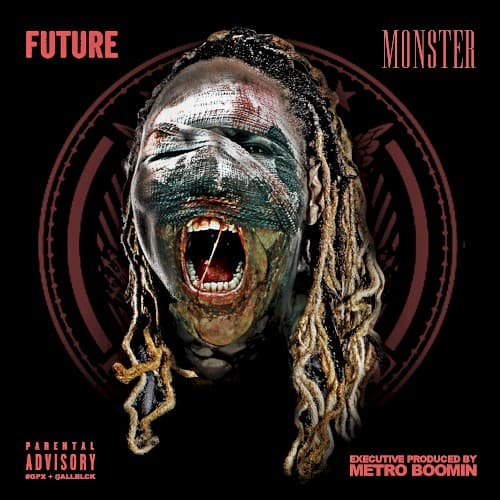
It refines the sound Future sketched on Monster rather than inventing it, but the focus and the bleakness are dialed up past anything Atlanta trap had sustained before.
- Replay value(10%)
- 8.5
The hooks burrow in and the production still sounds as cold and wet as it did in 2015; the lack of variety becomes hypnotic rather than tedious.
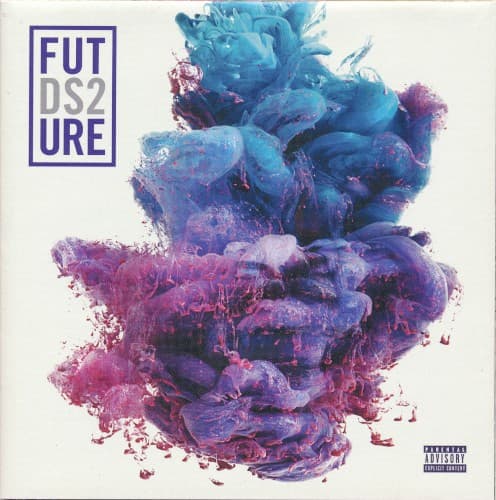
Future DS2 — The Sound of Atlanta Trap Eating Itself
DS2 is the album where Future stopped trying to convince anyone he was having fun. Monster showed what he could do when he locked in with one mood for a full tape, but DS2 is where he made that bleakness the entire selling point, stretched it across thirteen songs with almost no relief, and turned it into the commercial peak of his career. It debuted at number one, went triple platinum, and became the template for a certain kind of Atlanta trap album: no features except one Drake verse, no skits, no variety, just the same narcotic trudge from beginning to end until the repetition itself becomes the argument. The thesis is that excess and success feel like drowning, and Future delivers it in a voice that sounds like it is halfway underwater already.
The album works because the production is airtight and Future's delivery sells the numbness as something more than posture. Metro Boomin and Southside build beats that feel damp and suffocating, bass lines that sit low in the mix and hi-hats that rattle in double time, and Future mumbles and slurs his way through them like a man reporting from the other side of a Percocet binge. The writing is blunt and repetitive by design: drugs, money, paranoia, women who cannot be trusted, the same subjects circled over and over with slight variations in phrasing. It is not ambitious lyrically and it is not supposed to be. The point is the sound and the mood, and both are executed with a focus that makes the lack of range feel like discipline rather than limitation. It ranks just below Monster in the catalog because Monster got there first, but DS2 is the one that made the sound ubiquitous.
Wet Bass and Slurred Confessions
The production on DS2 is gothic and aquatic, trap beats that sound like they were recorded in a flooded basement. Metro Boomin handles ten of the thirteen tracks and builds a world of smeared synths, cavernous 808s, and hi-hats that skip and stutter in patterns that feel just slightly off-kilter. Southside co-produces on half the album and his influence is audible in the low-end weight and the percussive snap. Zaytoven shows up twice, on Colossal and Blood on the Money, and his piano runs add a flicker of melody without breaking the mood. The sound is claustrophobic by design, every element pushing in on Future's voice, and the effect is a record that feels like being trapped inside someone else's high.
Future's writing is minimal and repetitive: he serves the base, he thought it was a drought but now the work is back, he cannot trust the women around him, he is making money and spending it as fast as it arrives. The imagery is vivid in flashes, references to cooking work and paranoia about snitches and feds, but the subject matter does not shift much from track to track. The lack of variety is the point. DS2 is not trying to tell a story with chapters; it is trying to sustain a single feeling for fifty-four minutes, and the writing serves that goal by staying narrow and repetitive. The phrases are blunt and declarative, no extended metaphors or wordplay, just short bursts of information delivered in a tone that sounds defeated even when the content is boastful.
Future's delivery is the element that makes the repetition tolerable. His voice is slurred and drenched in Auto-Tune, every word stretched and bent until it sounds half-sung and half-mumbled, and the cadence is hypnotic in its monotony. He rarely raises his energy or changes his flow; the performance is flat and narcotic, a man sleepwalking through his own excess. The one guest verse is Drake on Where Ya At, and he matches Future's energy rather than trying to elevate it, his own Auto-Tuned delivery blending into the murk. The vocal performance is what sells the thesis: this is not celebration, it is compulsion.
The weakness is that the album never breaks its own spell. There is no moment of clarity, no track that offers a different perspective or tempo, and by the back half the sameness starts to feel like a dare to see how long the listener can stay submerged. Songs like Freak Hoe and Rotation are functional but feel like filler, the same beats and the same topics without enough hooks to justify their inclusion. The sequencing is solid but the album would be stronger at ten or eleven tracks instead of thirteen.
Locked In From Start to Finish
DS2 moves in a straight line from the first track to the last, no peaks or valleys, just a steady descent into the same drenched mood. The album opens with Thought It Was a Drought, a Metro Boomin beat built on wet synth stabs and a bass line that sounds like it is trying to pull you under, and Future's delivery sets the tone immediately: slurred, detached, hypnotic. The pacing never shifts. There is no interlude, no moment where the tempo picks up or the subject matter changes, and the effect is either hypnotic or monotonous depending on how much patience you have for the sound.
The closest thing to a climax is Where Ya At, the Drake feature and the album's second single, but even that track stays locked into the same tempo and mood as everything around it. The album sags slightly in the middle stretch, tracks like Groupies and Lil One blending together without distinct hooks, but it never collapses. The sequencing is deliberate: no song jumps out as a radical departure, no moment where the album tries to be something other than what it announced in the first ninety seconds. Blood on the Money closes the standard edition with a Zaytoven piano loop and a slightly more reflective tone, but even that track sounds like Future counting money in a room with no windows. The length is earned only if you accept the premise that the sameness is the point.
The Blueprint for Narcotic Trap
DS2 ranks just below Monster in Future's catalog because Monster invented the sound and DS2 refined it, but this is the album that made the approach commercially dominant and turned Future into a chart-topper. It is not his most adventurous record and it is not his most varied, but it is the purest distillation of the mood he does better than anyone: bleak, repetitive, narcotic trap that sounds like the aftermath of a binge rather than the party itself. The production is flawless, the vocal performance is committed, and the focus is unshakable. It has aged well because the sound has stayed in rotation, and because the thesis, that success and excess are indistinguishable from numbness, has only become more relevant.
This album is for listeners who want Atlanta trap at its most suffocating and hypnotic, who do not need variety or relief, who can live inside the same drenched mood for an hour. Skip it if you need dynamic sequencing or lyrical ambition or anything resembling joy.
Start with Thought It Was a Drought to hear the sound established, then move to Where Ya At for the Drake feature and the album's most radio-ready moment. If those two tracks work, the rest of the album delivers more of the same. If they do not, nothing here will change your mind. For context, play Monster before DS2 to hear where the approach came from, then move to What a Time to Be Alive to hear Future stretch the sound into a full collaboration. DS2 is the album where Future made bleakness sound like a hit formula, and it worked.
Track Listing
Thought It Was a Drought
▲The album opens with Metro Boomin and Ritter building a beat that sounds submerged: wet synth stabs, hi-hats skittering in double time, and a bass line that rattles low and ominous. Future's hook is blunt and declarative, announcing that the work is back after a dry spell, and his verse cycles through images of cooking and counting without ever raising the energy. The Auto-Tune is thick, every word stretched into a slur, and the delivery sets the tone for the entire album: detached, hypnotic, narcotic. It is the perfect opening statement because it tells you exactly what the next fifty minutes will sound like.
I Serve the Base
●Metro Boomin strips the production down to bass, hi-hats, and a looping synth line that sounds like an alarm going off underwater. Future's subject is work, the same themes as the opener but delivered with even less variation in flow or melody. The hook is minimal and repetitive, the verses are short bursts of declarative phrases, and the whole track feels like a functional piece of the album's larger mood rather than a standout moment. It works as connective tissue but does not demand repeat listens on its own.
Where Ya At
▲The Drake feature and the album's biggest single, a Metro Boomin beat built on a piano loop that sounds melancholic and a bass line that hits harder than anything else on the record. Drake's verse matches Future's energy, Auto-Tuned and slurred, and the back-and-forth between them feels less like a collaboration and more like two voices delivering the same monologue. The hook is the album's most memorable, Future asking where the real ones are and finding no answer, and the production gives the track just enough melodic lift to work on radio without breaking the bleakness. It is the album's clearest peak.
Groupies
●Metro Boomin, Sonny Digital, and Southside layer synths that sound cold and metallic over a bass line that thuds in half-time. Future's subject is women he cannot trust, the same paranoia that runs through the album, and the delivery is flat and dismissive. The hook is serviceable but not sticky, and the track blends into the surrounding songs without offering much that feels distinct. It is solid but inessential.
Lil One
▲Metro Boomin and Southside build a beat that feels slightly more melodic, a looping synth line that rises and falls over stuttering hi-hats and deep bass. Future's flow picks up slightly in the verses, more rhythmic variation than most of the album, and the hook has a hypnotic quality that sticks. The track does not break new ground lyrically, more references to money and distrust, but the production and the vocal performance are strong enough to make it one of the album's more replayable moments.
Stick Talk
▲Southside handles the production alone and delivers one of the album's hardest beats: 808s that rattle the low end, hi-hats that snap in rapid-fire patterns, and almost no melody to soften the impact. Future's flow is clipped and percussive, his cadence locked into the rhythm of the drums, and the hook is minimal and chant-like. The track became the album's third single and it is easy to hear why: it hits harder than almost anything else on DS2 and the aggression feels earned rather than forced. It is a standout.
Freak Hoe
▼Metro Boomin returns with a beat that sounds murkier and slower, synths that drip and smear, and Future's subject is transactional sex delivered in a tone that sounds bored. The hook is blunt and repetitive, the verses cycle through the same imagery without much variation, and the track feels like filler. It serves the album's mood but does not add much that the surrounding songs have not already delivered.
Rotation
●Metro Boomin and Southside build another mid-tempo trap beat, bass and hi-hats and a looping synth that sounds slightly off-key. Future's flow is locked into the same slurred cadence as most of the album, and the subject matter is women cycling in and out without attachment. The hook is functional but not memorable, and the track blends into the middle stretch without offering a distinct reason to return to it. It is competent but forgettable.
Slave Master
▲Metro Boomin and Southside layer synths that sound ominous and heavy over a bass line that feels oppressive, and Future's verses reference control and power in the drug trade. The hook is one of the album's more aggressive, Future's voice rising slightly in pitch and intensity, and the production matches the energy with drums that feel harder and more urgent. The track stands out in the back half as one of the few moments where the energy shifts upward without breaking the overall mood.
Blow a Bag
●Metro Boomin, Sonny Digital, and Southside collaborate on a beat that feels slightly bouncier, hi-hats that skip and a synth line that has more movement than most of the album. Future's subject is spending money as fast as it arrives, the same themes of excess and waste, and the hook is catchy enough to carry the track. It is not essential but it provides a small shift in tempo that keeps the album from flatlining completely.
Colossal
▲Zaytoven brings his signature piano sound, bright and melodic runs over a bass line that still feels heavy and trap-rooted. Future's flow is slightly more animated, the cadence picking up to match the keys, and the hook has a celebratory quality that feels rare on DS2. The track is one of the album's lighter moments, closest thing to a victory lap, and Zaytoven's production provides a brief break from the Metro Boomin murk. It is a welcome change of pace even if it does not fully escape the album's bleakness.
Rich $ex
▲Metro Boomin, Southside, and Frank Dukes build a beat that feels lush and slow, synths that shimmer and float over a bass line that stays heavy. Future's subject is transactional intimacy, the same distrust and detachment that runs through the album, and the delivery is hypnotic and drugged. The track is one of the longest on the standard edition and it earns the length, the production creating space for Future's voice to stretch and slur. It is a strong moment in the back half.
Blood on the Money
▲The closer pairs Metro Boomin and Zaytoven, piano loops that sound slightly mournful over drums that stay heavy and trap-leaning. Future's verses reference violence and paranoia, blood as the cost of the money he is counting, and the tone is reflective without offering any resolution or hope. The hook is one of the album's most memorable, Future's voice rising into a slurred chant, and the production gives the track enough melodic weight to feel like a proper closing statement. It ends the album on the same bleak note it started, no redemption offered or sought.