Scorecard: 7.3/10 · Good
How we score- Writing(25%)
- 8.0
The conceptual framework is disciplined and the rhyme schemes are dense, but the ideas often circle the same introspective loops without breaking new ground.
- Production(25%)
- 7.5
T-Minus and the Alchemist anchor a sound that samples smartly and builds atmosphere, though the sheer length exposes stretches of redundant soul loops.
- Delivery(15%)
- 7.5
Cole's flow is technically sharp and varied across tempos, but the measured tone rarely shifts into urgency even when the content demands it.
- Cohesion(15%)
- 6.5
The two-disc structure makes thematic sense but the runtime sags; several tracks on each disc feel like variations on the same idea rather than necessary chapters.
- Originality(10%)
- 6.0
The double-album-as-memoir approach and the interpolation-heavy production are not new territory for rap, and Cole's perspective here echoes the reflective mode of his last three albums.
- Replay value(10%)
- 7.0
The best individual tracks justify returns, but the full experience is front-loaded with ideas that the back half labors rather than extends.
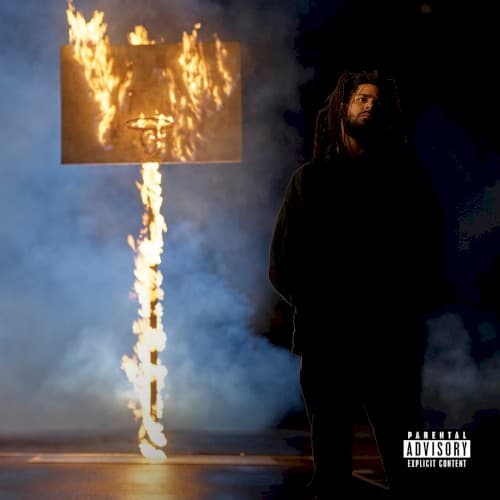
J. Cole The Fall-Off — The Long Goodbye He Couldn't Stop Polishing
The Fall-Off arrives with the weight of a decade and the stated finality of a last will. J. Cole began writing this album in 2016, teased it in 2018, and spent the years since adding and subtracting pieces until the Drake and Kendrick Lamar feud of 2024 convinced him it needed to be twice as long. The result is a twenty-four-track double album that asks whether Cole can close his catalog with the technical mastery his first album lacked, and whether ten years of revision brings him closer to a definitive statement or further from one. The answer is split: this is his most controlled and conceptually ambitious record, but also his most over-explained, a project that mistakes exhaustiveness for insight.
The thesis is embedded in the structure. Disc 29 follows Cole at age twenty-nine, returning to Fayetteville after a decade in New York, caught between his woman, his city, and his craft. Disc 39 revisits the same city at thirty-nine, older and closer to peace.
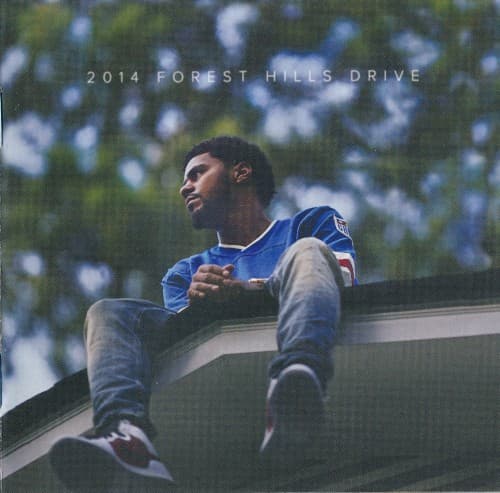
The concept promises growth, but the album plays out as two lengthy variations on the same reflective mode Cole has worked since 2014 Forest Hills Drive. The stakes are clearest on the first disc, where hunger still animates the rapping; the second disc trades that tension for resolution that arrives too easily. Both halves are technically accomplished, dense with rhyme schemes and layered with samples from rap's last fifty years, but the mission to embody that history also flattens Cole's voice into a dutiful archivist rather than a living participant. The album succeeds as a display of craft. Whether it succeeds as a closing argument depends on how much you believe technique alone can carry twenty-four tracks.
Samples as Thesis, Loops as Filler
The production across The Fall-Off leans hard on interpolation and sampling, treating hip-hop history as both subject and structure. T-Minus anchors most of the album with soul loops and spare drums, joined by the Alchemist, Jake One, and a rotating cast of Dreamville regulars. The result is a sound that gestures toward the warmth of nineties and early-2000s rap without committing to any single era.
Early tracks interpolate vocal samples over beats that swing with enough pocket to carry Cole's doubled-up rhymes. Midway through the first disc, the Alchemist layers dusty drums under Future and Tems and lets the beat breathe in ways the T-Minus tracks rarely do. Later entries flip classic samples and pair them with additional textures, creating beds for guest vocals and some of Cole's sharpest writing performances.
But the interpolation-heavy approach also exposes a weakness: the production often replaces momentum with reverence. Legacy loops the Counts' Love Sign for nearly four minutes without developing the idea, and Poor Thang stacks Boosie and the O'Jays samples into a cluttered backdrop that distracts from the verse. The second disc suffers more from this; Man Up Above layers Smokey Robinson, Marvin Sapp, and Jennifer Lopez into a gospel-tinged meditation that sounds engineered for significance rather than felt. I Love Her Again samples Common's The Light and builds a love song that is technically proficient but predictable, the kind of track that announces its influences louder than its own presence. The production across both discs is competent and occasionally inspired, but the reliance on familiar textures becomes a crutch when the writing doesn't push past homage into argument.
Cole's writing is where the album makes its strongest case. The rhyme schemes are dense, sometimes to the point of overload, with internal rhymes stacking on top of multis in ways that reward close listens. On Two Six he structures entire verses around competing patterns, and on The Villest he mirrors the Outkast interpolation with his own flow variations. The storytelling is specific when it needs to be: Run a Train, despite the title, turns into a consideration of loyalty and consequence, and Old Dog uses Petey Pablo's Raise Up and T.I.'s 24's to frame a verse about aging in a young genre. What If with Morray pushes into hypotheticals about fame and family, and the verse lands because Cole stays concrete rather than abstract.
But the writing also reveals the album's central limitation: Cole circles the same ideas across twenty-four tracks without finding new angles. The introspection that worked across twelve or fourteen tracks here becomes repetitive. Life Sentence, Only You, and Quik Stop all address versions of the same question about whether success was worth the cost, and none of them answer it differently enough to justify the runtime. The conceptual clarity of the two-disc structure doesn't solve the problem that both discs cover similar emotional ground. Cole raps well throughout, but rapping well is not the same as having something left to say.
The Weight of Symmetry
The Fall-Off is sequenced as a mirror: disc one rises with energy and doubt, disc two settles into resolution and retrospect. The structure works in theory, but in practice it front-loads the album's best moments and leaves the second half to coast on mood rather than build on ideas. The first disc peaks early, then sags through the middle stretch with tracks that feel like placeholders rather than peaks. The disc closes with a bonus track that plays like an outtake and should have stayed one.
The second disc opens strong with a six-minute introduction that earns its length by layering production under a verse that surveys the distance between twenty-nine and thirty-nine with more specificity than most of what follows. The early portion, including a track released early as a YouTube single, works as a thesis statement but also as a warning: stripped down and direct, qualities the rest of the disc rarely matches. The middle section delivers the disc's clearest highlight with a guest appearance that uses samples to build rather than decorate. But after that the disc flattens into a series of well-executed but interchangeable reflections. The closing run features solid tracks in isolation; placed back-to-back they blur into one long mood.
The pacing issue is not that the album is too long, though it is, but that the length is not justified by the progression. Both discs say most of what they need to say in the first half, then spend the second half rephrasing. The sequencing is deliberate, but deliberateness is not the same as necessity.
Craft Without Risk
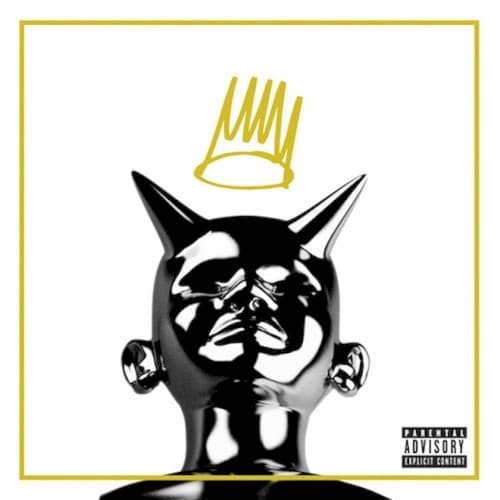
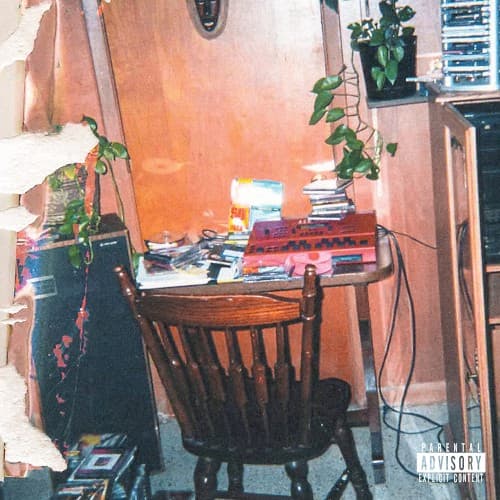
The Fall-Off is J. Cole's most technically accomplished album and his least urgent. It ranks above Born Sinner and KOD in pure execution, but below 2014 Forest Hills Drive in focus and emotional clarity. Where Forest Hills Drive felt like a statement earned through restraint, The Fall-Off feels like a statement expanded beyond its natural borders. The writing is sharper than The Off-Season, the production more varied, but the conceptual ambition does not translate into a record that demands to be heard front to back. This is an album for Cole's core audience, the listeners who have followed him since the Warm Up and want to hear him rap at his technical peak. For casual fans or skeptics, the runtime and the familiar introspective mode will feel like diminishing returns.
The album's greatest strength is also its limitation: Cole set out to prove he could be the best rapper he could possibly be, and on select tracks he succeeds. But technical mastery alone does not make a case for why this needed to be his final album, or why it needed to be a double album, or why it took ten years.
The Fall-Off will age as a demonstration of craft and a document of an artist who cared deeply about getting it right, but not as a record that took the risks required to outgrow competence. Start with the opening stretch to hear Cole at his sharpest. For the full catalog context, go back to 2014 Forest Hills Drive to hear what happens when ambition and editing align. The Fall-Off is not a fall-off, but it is not the peak either. It is a long, well-crafted goodbye that earns respect without demanding devotion.
Track Listing
29 Intro
●A minute-long scene-setter built from a James Taylor sample, establishing Fayetteville as both literal home and metaphorical anchor. Cole's voice enters over the loop with no drums, just context. Functional but slight.
Two Six
▲The album's strongest opening statement and one of its three or four essential tracks. T-Minus and Omen build a beat that swings hard, and Cole structures the verses around competing internal rhyme schemes that stack without collapsing. The Donald Pears interpolation is used smartly, not as decoration but as a rhythmic foundation. The writing is specific about the crossroads at twenty-nine: fame arrived but the cost is still being tallied. This is the hunger the album promises and too rarely delivers. The flow shifts between triplets and straight time without losing the pocket, and the hook is simple enough to stay out of the way. If the rest of the album sustained this energy the concept would work.
SAFETY
▲Queen Latifah's U.N.I.T.Y. sample is the kind of contextual move that justifies itself: Cole raps about protecting home and the loop reinforces the thesis without overstating it. The production from Cole, Wu10, Pleasant, Sucuki, and DZL is layered but never cluttered, and the verse stays concrete. The five-minute runtime is earned by the density of the rhymes and the fact that the beat develops rather than loops. One of the first disc's peaks.
Run a Train
●Future's presence adds melodic contrast but the track is Cole's, and the title is a misdirect: this is a consideration of loyalty and consequence, not the radio provocation the name implies. T-Minus and the co-producers build a beat that floats, and Cole's verse uses the space well. Solid but not essential, the kind of track that works in sequence but doesn't demand isolated replays.
Poor Thang
●Overstuffed production: the Boosie and O'Jays samples are both strong ideas but stacking them creates clutter rather than depth. Westside Gunn's uncredited vocals are barely audible and add nothing. The writing is sharp in places but the beat distracts from it. The kind of track that sounds like it went through too many revisions without anyone cutting the excess.
Legacy
●The Counts sample is warm and nostalgic, and PJ's feature adds texture, but the track loops the same idea for nearly four minutes without developing it. The writing about legacy and inheritance is earnest but predictable, the kind of theme Cole has addressed more effectively on earlier albums. Not a skip but not a reason to return.
Bunce Road Blues
▲The Alchemist's production is the album's best: dusty drums, space between the elements, and a loop that breathes. Future and Tems both contribute vocals that complement rather than compete with Cole's verse, and the Usher interpolation is subtle enough to work as texture rather than reference. The writing is melancholic without tipping into self-pity, and the five-minute runtime justifies itself. One of the few tracks that earns its guests and its length. Essential.
WHO TF IZ U
▲The lead single and a showcase for Cole's technical ceiling: the rhyme schemes are dense, the flow shifts across three different tempos, and the production from T-Minus, Vinylz, FnZ, and others layers the Whispers and Mobb Deep samples into a beat that rewards headphone listens. The Trillville interpolation adds a regional nod that fits the Fayetteville concept. The hook is the weakest element, functional but forgettable, but the verses justify the single status. This is Cole rapping as well as he ever has, even if the writing doesn't push past technical flex into deeper argument.
Drum n Bass
●The Scott Cossu sample is pleasant and the beat from Jūn Tetra, Gldy Jr, and T-Minus has pocket, but the track feels like an interlude stretched to full length. The writing is competent but says nothing the album hasn't already covered. Filler.
The Let Out
●T-Minus and Bilodeau build a late-night mood but the song never capitalizes on it. Cole's verse is technically solid but thematically redundant with earlier tracks. The kind of song that works as background but offers no reason to isolate it.
Bombs in the Ville / Hit the Gas
●The Ludacris sample is a good idea and the two-part structure suggests ambition, but the execution is muddled. The transition between the two halves feels imposed rather than organic, and neither section is strong enough to justify the runtime. The writing is sharp in flashes but the track as a whole feels like it needed another edit. Weaker than it should be given the producer roster.
Lonely at the Top
▼A bonus track that should have stayed a bonus track. The Benny the Butcher sample is wasted on a verse that circles familiar territory about isolation and success. Skip it.
39 Intro
▲The second disc's strongest moment and the album's longest track at just over six minutes. FnZ and Vinylz build a beat that develops across multiple sections, and Cole uses the space to survey the distance between twenty-nine and thirty-nine with more specificity than most of what follows. The writing here is the album's most honest about what was gained and what was lost, and the verse structure mirrors the beat's shifts without losing cohesion. The runtime is justified by the ideas rather than the padding. If the rest of disc two matched this, the double album would work.
The Fall-Off is Inevitable
▲Released early as a YouTube single and a thesis statement for the album. The production from DZL, Maneesh, Wu10, and Ibrahim Hamad is stripped down, just drums and a Willie Hutch sample, and Cole's verse is direct about the inevitability of decline and the refusal to accept it on anyone else's terms. At under three minutes it is one of the album's leanest tracks, and it lands because it trusts the idea enough to not overstate it. The video added context but the song works on its own.
The Villest
▲Erykah Badu's vocal and the Outkast interpolation make this the second disc's clearest highlight. Cole, Omen, T-Minus, Wu10, and DZL build a beat that uses its samples to add rather than decorate, and Cole's verse mirrors the Elevators flow without copying it. The writing is playful in ways the rest of disc two rarely attempts, and Badu's presence elevates the track beyond what Cole could have done alone. This and 39 Intro are the reasons to sit through the second half.
Old Dog
▲Petey Pablo's feature is used smartly, as dialogue rather than decoration, and the interpolations of Raise Up and 24's frame a verse about aging in a genre that valorizes youth. The production from Cole and T-Minus is lean, just drums and a bassline, and the writing is sharp about the tension between legacy and irrelevance. One of the few tracks on disc two that justifies its place in the sequence.
Life Sentence
●The Craig David sample is warm and the T-Minus production is competent, but the track covers the same ground as several others: success as a cage, family as the cost, hindsight as clarity. The DMX interpolation adds texture but not argument. Solid execution, redundant idea.
Only You
●Burna Boy's feature and the T.O.K. and Jah Cure interpolations give the track a reggae-inflected feel that stands out on the tracklist, but the writing is predictable: love as refuge, fame as isolation, the woman who stayed as proof of what matters. The production is layered but the song never develops past its initial idea. Fine in sequence, forgettable in isolation.
Man Up Above
●Smokey Robinson, Marvin Sapp, and Jennifer Lopez samples layered into a gospel-tinged meditation that sounds engineered for significance. The writing about faith and gratitude is earnest but the execution is heavy-handed, and the track feels like it is trying to close the album three songs too early. Not bad, but overcooked.
I Love Her Again
●The Common sample is obvious and the Jake One production is tasteful, but the track is a love song that says nothing the title doesn't already communicate. The Phillip Nimmons sample adds atmosphere but the writing is generic, the kind of track that could appear on any introspective rap album from the last decade. Technically proficient, emotionally inert.
What If
●Morray's feature adds a melodic counterpoint and the production from Beat Butcha, Tae Beast, T-Minus, and Wu10 is moody and layered. Cole's verse pushes into hypotheticals about fame and family, and the writing is concrete enough to land. The track works but it arrives too late in the sequence to add much, and the runtime feels padded. Solid but redundant.
Quik Stop
●The Devin the Dude interpolation suggests humor but the track is another meditation on the cost of success. The production from Cole, DZL, Omen, and Wu10 is spare and effective, but the writing circles the same ideas as Life Sentence and Only You. Fine on its own, exhausting in context.
and the whole world is the Ville
●The Isley Brothers and Ground Zero samples are both strong, and the production from AzizTheShake, FnZ, and BoogzDaBeast builds a warm, nostalgic backdrop. The writing about Fayetteville as both literal home and metaphorical center is the album's conceptual payoff, but the execution is too on-the-nose, spelling out what earlier tracks suggested with more subtlety. The kind of closer that works if you are already bought in, but won't convert skeptics.
Ocean Way
▼A two-and-a-half-minute bonus track that plays like an outtake. The production is pleasant but slight, and the verse is a sketch rather than a finished idea. Should have been left off.