The scorecard
6.1/10 · Mixed
- Writing25%
- 6.5
- Production25%
- 6.0
- Delivery15%
- 7.0
- Cohesion15%
- 5.5
- Originality10%
- 4.5
- Replay value10%
- 6.0
Verses are sharp and battle-tested but the album lacks a unifying subject and many tracks feel like leftovers with little to say beyond technique
RZA revisits past Wu sounds without improving them while outside producers bring competent but generic beats that do not sound like Wu-Tang
Method Man and Ghostface still command attention and Inspectah Deck is reliably precise but the energy sags without ODB and the roster feels incomplete
The album jumps between styles with no logic connecting them and the brief runtime only underscores that this is a collection of disconnected songs
Most tracks deliberately recreate older Wu sounds or outsource to producers who strip away the group identity, adding nothing new to the catalog
While most tracks fade after the first listen because they sound like rehearsals of better songs from earlier albums, a few tracks like Radioactive hold up on repeat.
Wu-Tang Clan Iron Flag — The Sound of a Label Collapsing and a Group Splintering
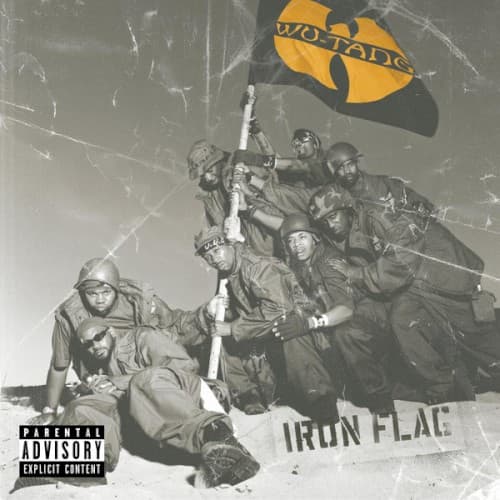
Iron Flag is the sound of a great group running out the clock. Released one year after The W while Loud Records was shutting down, the album reads like a contractual obligation: twelve tracks with no skits, minimal promotion, and the first Wu-Tang record with no Ol' Dirty Bastard at all. Cappadonna was airbrushed off the cover after a dispute. RZA handed four beats to outside producers and revisited old sounds on his own tracks without bothering to push them forward.
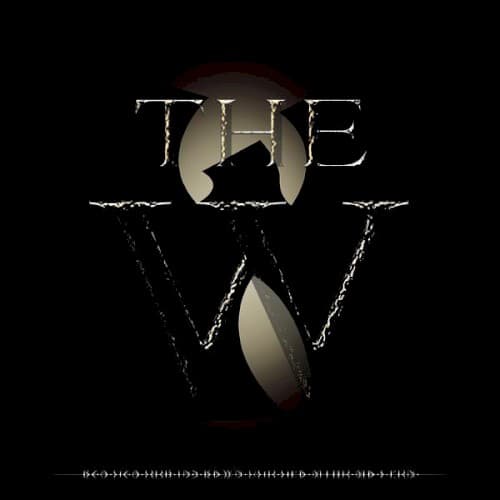
The result sold 153,000 copies in its first week and debuted at number thirty-two, the lowest chart position and second-lowest sales total in the group's history. The thesis is simple: Iron Flag is a holding pattern, the first Wu-Tang album that does not need to exist.
The problem is not that the rapping is weak. Method Man and Ghostface still deliver, Inspectah Deck is sharp throughout, and even the second-tier members hold their ground. The problem is that RZA, who built the Wu-Tang sound by treating each album like a singular world, treats Iron Flag like a sample pack.
Chrome Wheels uses the Bobby Digital synthesizer style from 1998. Radioactive recreates the martial arts grit of 36 Chambers. Iron Flag borrows the sped-up soul chops of Wu-Tang Forever that Kanye West and Just Blaze had already taken mainstream. The album is a greatest hits reel of past approaches with none of the focus that made those albums matter.
When RZA does try something new, like the Trackmasters collaboration on Back in the Game with Ronald Isley, it sounds like a different group entirely. Iron Flag is not bad so much as it is scattered and unnecessary, a document of a collective that had already said what it needed to say.
Recycling Past Sounds While the Label Shuts Down
RZA produces eight of the twelve tracks and spends most of that time looking backward. Radioactive is the most successful example: the ascending bassline, buried martial arts dialogue, and pounding drums feel like a spiritual sequel to 36 Chambers, and the horn blares borrowed from Public Enemy give it an urgency that most of the album lacks. The shuriken sound effect panning across the mix is a nice touch. But even this track is derivative rather than developmental; it proves RZA can still recreate that sound, not that he has anywhere left to take it.
Chrome Wheels and Dashing pull from the Bobby Digital era with off-kilter keyboard riffs and high-pitched synth whines, but those tracks sounded like experiments in 1998 and they sound like leftovers here. Iron Flag itself uses the sped-up vocal sample and string arrangements from Wu-Tang Forever, a technique that was innovative in 1997 but ubiquitous by 2001. Uzi (Pinky Ring) aims for The W's blaxploitation murk with dramatic horns and gritty drums, but it lacks the depth and menace of that album's best moments.
The four non-RZA beats create a different problem: they sound competent but anonymous. Mathematics on Rules layers horn stabs and James Brown grunts in a DJ Premier homage that is sharp enough but too tidy for Wu-Tang. True Master's Y'all Been Warned rides a funky guitar riff that could belong to any late-nineties soul-rap album. Nick Fury's One of These Days samples Donny Hathaway for its hook and coasts on muffled horns and generic soul guitar.
Trackmasters' Back in the Game, despite opening with the same Shaolin dialogue from 36 Chambers, buries the Wu-Tang aesthetic under delicate piano and stumbling bongos that belong on an R&B crossover single. Ronald Isley's presence only underscores how far this is from the grimy basement sound that made the group essential on classics like Only Built 4 Cuban Linx and Liquid Swords. These producers are skilled, but they strip away what makes Wu-Tang sound like Wu-Tang. The result is an album that moves between styles with no unifying vision, a checklist of approaches rather than a coherent statement.
The writing is technically solid but thematically hollow. Method Man, Ghostface, and Inspectah Deck deliver verses with the same battle-tested precision they brought to earlier albums, and even U-God sounds engaged on Soul Power (Black Jungle), where he trades lines with Flavor Flav in a call-and-response that briefly fills the space left by ODB's absence. But most of the album defaults to generic boasts and threats with no larger purpose. The only track that gestures at a subject is Babies, where the group reflects on fatherhood and responsibility, but even that one lands softly.
The absence of ODB is felt not just as a missing voice but as a missing chaos; without him, the energy flattens. Cappadonna's near-total absence and the lack of skits or interludes make the album feel stripped down, but not in a focused way. It just feels incomplete.
A Runtime Too Short to Hide the Filler
At twelve tracks and under fifty minutes, Iron Flag is the shortest Wu-Tang album, and that brevity only exposes how little the album has to offer. The best moments are front-loaded, and the album peaks early in the first stretch before the pacing collapses. After that, the middle section is pleasant filler that rides solid grooves but says nothing.
One track tries for weight but the verses are too vague to carry it. Another sounds like a crossover attempt that belongs on a Ronald Isley solo album, not a Wu-Tang record. By the closing run, the Bobby Digital sound that felt fresh earlier just sounds tired.
The sequencing does not help. The album jumps from gritty nineties throwback to Bobby Digital weirdness to soul-rap gloss with no logic connecting them, and the lack of skits or interludes means every transition feels abrupt. The W used its concise runtime to build momentum; Iron Flag uses its brevity to underscore that there was not enough material worth expanding.
The hidden track tacked onto the final song as a single piece on the original release features Cappadonna in the bridge but adds nothing of substance. It is a loose end that only reinforces the sense of an album assembled in haste. The runtime is not the problem; the problem is that the album needed another year and a stable label to figure out what it wanted to be.
The First Unnecessary Wu-Tang Album
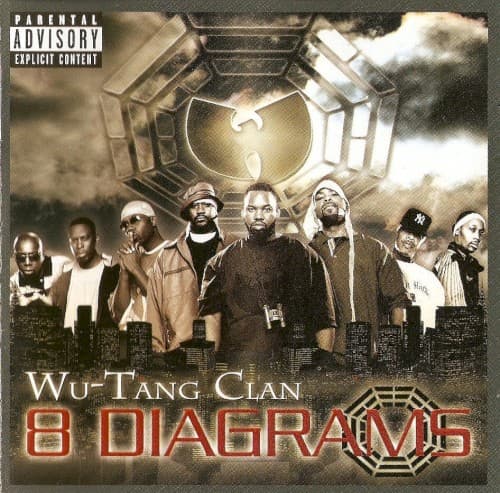
Iron Flag ranks last among the group's first four albums and it is not close. 36 Chambers, Wu-Tang Forever, and The W all had a vision and a reason to exist; Iron Flag has neither. It is a better album than many 2001 releases by lesser groups, but judged against the Wu-Tang standard, it is a disappointment. The rapping is still skilled and a few tracks are solid, but the production is either backward-looking or outsourced to producers who do not understand the group's identity, and the writing offers no subjects worth the runtime.
The absence of ODB and the near-absence of Cappadonna leave the roster feeling incomplete, and RZA's willingness to revisit past sounds without advancing them suggests a group that had run out of ideas. The album debuted at thirty-two and sold half as many copies in its first week as The W, and those numbers tell the story: even in 2001, listeners could hear that this was not essential.
This is an album for completists and for fans who want to hear the Wu-Tang Clan in maintenance mode. Start with Radioactive and Rules if you want the two tracks that justify the album's existence, then move to Uzi (Pinky Ring) if you are still interested. Skip Back in the Game, Dashing, and One of These Days unless you are determined to hear every Wu-Tang verse ever recorded.
If you have never heard the group, start with 36 Chambers or The W; if you have heard those and want more, try Wu-Tang Forever. Iron Flag is the sound of a label collapsing and a group splintering, a contractual obligation that the members themselves seemed ready to move past. It sold 687,000 copies total and was certified gold, but it marked the end of the group's run as a commercial and creative force. By 2001, the Wu-Tang Clan had already made the albums that mattered, and Iron Flag did not change that.
Track by track
Track Listing
In the Hood
SolidA brief intro that sets the tone with scratched dialogue and a looping horn sample, but it barely registers as a track. Streetlife contributes an uncredited verse alongside the core members, and the energy is decent, but nothing here suggests the album will offer anything new. RZA's production is functional and the rapping is sharp, but this sounds like a warm-up rather than an opening statement.
Rules
StandoutMathematics builds a sharp four-bar loop with layered horn stabs and James Brown grunts that nods to DJ Premier's style, and the scratched Wu-Tang samples in the intro reinforce the throwback feel. The structure is tight—three repeated bars and a turnaround with descending chords and a picked guitar riff—and the rapping is precise across the board. Method Man and Inspectah Deck trade verses with their usual technical command, and the track works as a mission statement even if it does not break new ground. This is one of the album's strongest moments, proof that the Clan can still deliver when the production matches their intensity.
Chrome Wheels
SolidRZA revisits the Bobby Digital sound with heavy synthesizers and off-kilter keyboard riffs, and he raps as Bobby Digital while the name gets checked in the bridge by Madame D. Two On Da Road contribute uncredited verses. The beat is busy and the digital orchestra approach feels dated compared to the group's earlier work, but the track has enough energy to hold attention. The problem is that this sound was experimental in 1998 and it feels like a retread here, a reminder of a side project rather than a step forward for the group.
Soul Power (Black Jungle)
StandoutFlavor Flav takes the hook in a call-and-response with U-God, and the pairing briefly fills the chaotic space left by ODB's absence. RZA's production hints at The W's blaxploitation atmosphere with dramatic horns, and the outro features a long conversation between Flav and Method Man about growing up in Long Island that adds some personality to the album. U-God sounds more engaged here than on most Wu-Tang tracks, and the interplay with Flav gives the song a loose, collaborative feel. It is not a classic, but it is one of the few moments where the album feels like it is trying something beyond repeating past formulas.
Uzi (Pinky Ring)
StandoutThis is the album's most committed moment, a five-minute track that leans into The W's murky, blaxploitation-influenced sound with gritty drums and dramatic horn riffs. RZA's production is dense and the sequencing of verses keeps the energy high, with Method Man, Ghostface, and Inspectah Deck all delivering strong performances. The beat has weight and the rapping matches it, with each member leaning into the menace the production demands. If the rest of the album had this level of focus, Iron Flag would rank much higher. As it stands, this is the peak, and it only underscores how much the surrounding tracks fall short.
One of These Days
SolidNick Fury samples Donny Hathaway's version of I Believe to My Soul for the hook and pairs it with muffled horn stabs and soul guitar, and the result is pleasant but generic. The beat could belong to any late-nineties soul-rap album, and while the rapping is solid, the track does not leave an impression. This is filler, competent enough to avoid being a skip but not distinctive enough to warrant repeat listens.
Y’all Been Warned
SolidTrue Master builds a simple one-bar loop with a funky guitar riff over steady drums and a buried piano sample, and the groove is tight. Streetlife contributes an uncredited verse. The advance version featured a synthesizer line that was removed for the final release, and the stripped-down version works better, letting the guitar and rhythm carry the track. The rapping is sharp and the beat is solid, but the track has no larger ambition. It works as a brief moment of focus in an otherwise scattered album, but it does not offer enough to rank among the group's essential songs.
Babies
SolidThis is the album's only real attempt at a subject, with verses reflecting on fatherhood and responsibility, but the execution is too vague to land with weight. RZA's production features live drums by Ramsey Jones and background vocals by Madame D, and the beat has a warmth that suits the theme. The problem is that the verses gesture at the topic without committing to specific stories or images, and the result feels like an outline rather than a finished song. The intent is admirable but the track needed sharper writing to earn its five-minute runtime.
Radioactive (Four Assasins)
StandoutThis is the album's best track, a gritty throwback to 36 Chambers with martial arts dialogue, a looping ascending bassline, and pounding drums. RZA buries short one-note samples in the mix and adds a shuriken sound effect that pans across the stereo field, and the horn blares at the start of each bar recall Public Enemy's Night of the Living Baseheads. The rapping is fierce across the board, with each member leaning into the foreboding atmosphere the beat creates. This is the only track that feels essential, proof that RZA can still build a world when he commits to it. The problem is that this sound is a recreation rather than an evolution, and it only highlights how much of the album lacks this level of craft.
Back in the Game
WeakTrackmasters produce and Ronald Isley guests, and the result sounds like a crossover attempt that belongs on an R&B album rather than a Wu-Tang record. The track opens with the same Shaolin dialogue from 36 Chambers, but the delicate piano melody, heavy organ vamp, and stumbling bongos bury the group's identity under a glossy sheen. Isley's presence is wasted; his vocal does not integrate with the rapping and the beat does not serve the Wu-Tang aesthetic. This is the album's most blatant misstep, a track that feels like label pressure rather than a creative choice.
Iron Flag / The Glock
SolidThe title track uses sped-up vocal samples and string arrangements borrowed from Wu-Tang Forever, and while the production is competent, the technique had been widely imitated by 2001 and no longer felt innovative. The rapping is solid but the track does not develop its ideas, and it fades into the background. Da Glock, the hidden track that follows, features Cappadonna in the bridge but adds nothing of substance. This double track feels like a loose end, two ideas that were not strong enough to stand alone and do not improve by being paired.
Dashing (Reasons)
WeakRZA returns to the Bobby Digital sound with high-pitched synth whines and off-kilter keyboard riffs, and by this point in the album the approach just sounds tired. The beat is busy and the rapping is technically solid, but the track has no memorable moments and no reason to exist beyond filling out the runtime. This is the kind of song that disappears after the first listen, competent enough to avoid being a disaster but not distinctive enough to justify its place on a Wu-Tang album.
The W
WeakA bonus track that shares a title with the previous album but offers none of that record's focus or depth. RZA's production is minimal and the rapping is scattered, with no unifying idea holding the verses together. This feels like a leftover that was added to reach a certain track count, and it does not improve the album. Skip it.