The scorecard
7.8/10 · Great
- Writing25%
- 8.0
- Production25%
- 8.5
- Delivery15%
- 7.5
- Cohesion15%
- 7.0
- Originality10%
- 7.0
- Replay value10%
- 7.5
The verses hit with the density and street-corner specificity the Clan built their reputation on, though a few tracks coast on vibe rather than concrete imagery.
RZA strips back the orchestral sprawl of Wu-Tang Forever and returns to murky, sample-driven funk and soul loops that give the rapping room to cut through.
Method Man and Ghostface bring the energy and charisma, but the nine-member sprawl means uneven presence and a few phoned-in guest spots.
At sixty minutes it avoids the bloat of Wu-Tang Forever, but the album still feels like a collection of strong individual tracks rather than a unified statement.
The W consolidates the Clan's established sound in a sharper, more disciplined form than their previous album, which was a correction that made the fundamentals feel newly effective rather than stale.
The best tracks remain sharp on repeat, though the mid-tier cuts blur together and the sequencing does not reward front-to-back listening.
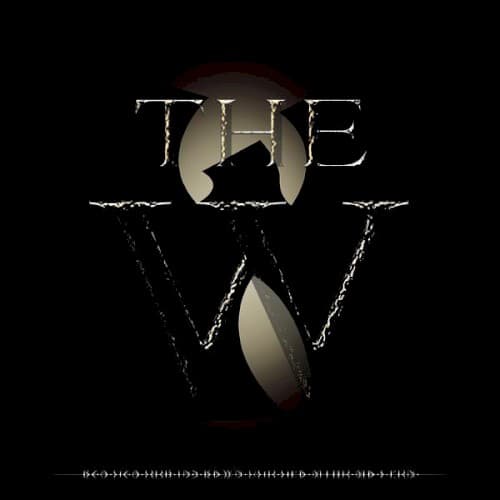
Wu-Tang Clan The W — The Course Correction That Saved the Dynasty
The W is the album Wu-Tang Clan made after the dynasty nearly collapsed under its own ambition. Wu-Tang Forever in 1997 was the double-disc victory lap that proved success could bloat a sound as easily as it could expand one, with RZA's orchestral production drowning out the rapping and the tracklist stuffed with filler. By 2000, the members had scattered into solo careers, some thriving and some adrift, and the question was whether the collective still had a reason to exist beyond brand maintenance. The W answers by cutting the runtime by half, stripping the production back to grimy loops and hard drums, and putting the focus back on the nine voices that made the group matter in the first place. It is not the album that redefines Wu-Tang; it is the album that reminds you why they were worth caring about when the rest of rap was chasing radio hits and crossover credibility.
This is a correction, not a reinvention. RZA walks away from the string-laden epics of Forever and returns to the sample-based funk and soul that powered their debut, digging into Isaac Hayes and Sly and the Family Stone instead of hiring orchestras. The writing sharpens around street narratives and battle raps rather than sprawling concept pieces. The sequencing is tighter, the hooks are clearer, and the guest features—Nas, Redman, Snoop Dogg—are deployed strategically rather than piled on.
The result is an album that feels like a working crew rather than a franchise, with the internal competition and chemistry that made Enter the Wu-Tang dangerous. It does not recapture the hunger of that debut, and it does not need to. The W is the sound of a group that figured out how to age without chasing trends, how to consolidate strengths without stagnation. It is the album that proved Wu-Tang could still make a Wu-Tang album.
The Loops RZA Found in the Rubble
RZA's production on The W is a deliberate retreat from the ambition that nearly sank Wu-Tang Forever. That album chased grandiosity with live orchestration and seventy-five minutes of music that often buried the rapping under its own weight. Here, RZA goes back to the crate: soul samples chopped into tense loops, hard-hitting drums that sit high in the mix, and negative space that lets the verses breathe. The Isaac Hayes flip on I Can't Go to Sleep is ghostly and mournful, strings and bass moving in slow motion while Ghostface and RZA trade verses about paranoia and sleeplessness.
The Sly and the Family Stone sample on Protect Ya Neck (The Jump Off) is a jagged funk riff that never quite resolves, the tension holding for four minutes while nine rappers cycle through. The Albert King guitar on that same track adds a blues edge that keeps the aggression from tipping into cartoonish. This is not minimalism—the layers are dense—but every element has a function, and the mix never muddies the rapping.
The writing across The W is uneven, which is unavoidable when nine rappers are splitting sixty minutes. Ghostface is at his surreal best on Hollow Bones, stacking images that do not quite make sense but land with force: the verses move from street-corner confrontations to half-remembered threats to cryptic warnings, all delivered in his nasal rasp with no wasted syllables. Method Man brings charisma on Redbull and Gravel Pit, the latter a pop bid with a cartoonish hook that somehow works because the verses undercut the bounce with threats. GZA is sharp on The Monument, trading bars with Raekwon about legacy and survival in a voice that sounds older and more resigned than the rest of the crew.
Raekwon himself is reliable throughout, his mafioso narratives as vivid as ever, though the writing on One Blood Under W leans too heavily on generic threats and martial imagery without the specificity that makes his best work memorable. Inspectah Deck appears on nearly every track and rarely wastes a bar, but his presence is so constant that the verses blur together. U-God and Masta Killa are solid but marginal, delivering competent performances that do not shift the album's center of gravity.
The guest features are strategic but mixed. Nas on Let My Niggas Live delivers a verse about loyalty and street codes that fits the album's tone, his voice weary and unbothered. Redman on Redbull matches Method Man's energy with humor and aggression. Snoop Dogg on Conditioner sounds half-asleep, his laid-back flow clashing with the intensity around him. The weaknesses show up in the album's midsection, where tracks like Do You Really (Thang, Thang) coast on a looped sample and repetitive hook without enough lyrical weight to justify the five-minute runtime. The writing never collapses, but it does not sustain the density of the album's first half, and a few tracks feel like they are running out the clock.
The Pacing That Holds and the Sag That Shows
The W frontloads its strongest material and pays for it in the back half. The opening statement sets the tone with movie dialogue and four sharp verses that reintroduce the crew as a unit. The first stretch hits without pause, the production shifting from murky soul to jagged funk while the rapping cycles through different voices and approaches. The energy peaks with the legacy-sequel posse cut, a seven-rapper demonstrate that earns its title by sounding nothing like the original: the production is busier, the flows are more varied, and the whole thing feels like controlled chaos.
This is Wu-Tang at full strength, everyone competing for space and no one wasting their turn.
The middle sags. The pacing slows too much after the opening rush, with beautiful but funereal material grinding momentum to a halt. One track is obvious filler, a Mathematics beat that loops for over five minutes with verses that do not justify the length.
The back half includes a minor two-and-a-half-minute sprint that feels like an outtake. The pop bid arrives late with a hook so goofy that it either works or grates depending on your tolerance. The album closes with a minor track elevated by Junior Reid's sung hook, then a hidden bonus addition that adds nothing. At sixty minutes, The W is disciplined compared to Wu-Tang Forever, but it still carries five or six tracks that could have been cut without loss. The sequencing does not guide you through an arc; it just puts the best material up front and hopes you stick around.
Where the Dynasty Steadied Itself
The W is the third-best Wu-Tang Clan album, behind Enter the Wu-Tang and the uneven but ambitious Wu-Tang Forever, and it secured the group's relevance at a moment when most of their peers from the nineties were either chasing trends or fading out. It is not a reinvention and it is not their hungriest work, but it is their sharpest and most focused record since the debut, with RZA's production doing more with less and the core members delivering verses that justify the reunion. The weaknesses are real: the writing dips in the middle, the sequencing does not reward front-to-back listening, and a few tracks exist only to fill space. But the highs—Hollow Bones, Protect Ya Neck (The Jump Off), Careful (Click, Click)—are as good as anything the Clan released in the nineties, and the album as a whole proves that a disciplined Wu-Tang can still compete.
This is the album for listeners who lost patience with Wu-Tang Forever's bloat or who came to the Clan through the solo albums and want to hear the full crew working together. It is not the album for someone looking for the raw desperation of Enter the Wu-Tang or the innovation of Liquid Swords. Start with the first seven tracks; if those land, the rest of the album will hold your attention. If you are coming from the solo work, follow this with Ghostface Killah's Supreme Clientele or Raekwon's Only Built 4 Cuban Linx, both of which push the Wu sound further than the group albums ever did. The W is the sound of a crew that figured out how to survive success without compromising the fundamentals. It is not the best thing they ever did, but it is proof they could still do it.
Track by track
Track Listing
Intro (Shaolin Finger Jab) / Chamber Music
StandoutThe intro reestablishes the martial arts mythology with movie dialogue, then drops into Chamber Music, a GZA-led posse cut with verses from Masta Killa, Method Man, and Raekwon. The production is skeletal, just drums and a haunting loop, letting the rapping cut through. GZA's opener is sharp and direct, Masta Killa brings the calm menace he perfected on Triumph, Method Man adds energy, and Raekwon closes with mafioso imagery. It is a statement of intent: this is the Clan, back to basics, no filler.
Careful (Click, Click)
StandoutRZA's beat is tense and claustrophobic, a looped sample and hard drums that never let up. Five rappers cycle through—Ghostface, Inspectah Deck, Masta Killa, RZA, U-God—each one warning about violence and paranoia. Ghostface is the standout, his verse moving from threats to surreal imagery without losing the thread. The hook is minimal, just the phrase click click repeated over the beat, and it works because the verses are dense enough to carry the track. This is the Clan at their most aggressive, every bar loaded with tension.
Hollow Bones
StandoutGhostface, Inspectah Deck, and Raekwon trade verses over a soul sample flipped into something eerie and off-kilter. Ghostface opens with one of the album's best performances, stacking images that do not quite connect logically but land with emotional force: half-remembered threats, street-corner confrontations, cryptic warnings delivered in his nasal rasp. Inspectah Deck is sharp and efficient, Raekwon closes with vivid mafioso detail. The production never resolves, the loop staying tense for the entire three and a half minutes. One of the album's peaks.
Redbull
StandoutMethod Man and Inspectah Deck trade bars over a kinetic beat, Redman arrives for the guest verse and matches their energy with humor and aggression. The production is brighter than the tracks before it, the drums hitting harder and the sample giving the rappers room to show off. All three verses are strong, no one wastes a bar, and the track moves fast enough that it never overstays. This is a showcase for technical skill and charisma, the kind of track that reminds you why these rappers were worth paying attention to in the first place.
One Blood Under W
SolidMasta Killa gets a solo spotlight with Junior Reid on the hook, the reggae influence explicit in the sample and the sung chorus. The production is lush by Wu-Tang standards, strings and bass moving in a slow roll. Masta Killa's verse is calm and deliberate, his monotone delivery adding weight to the martial imagery, but the writing leans too heavily on generic threats and unity slogans without the specificity that makes his best work memorable. Junior Reid's hook is effective but the track feels like a detour, breaking the momentum of the first four songs.
Conditioner
SolidGZA, Inspectah Deck, Ol' Dirty Bastard, and Snoop Dogg over a murky, bass-heavy beat. GZA and Deck are sharp and direct, delivering threats and street narratives with economy. ODB's appearance is brief but chaotic, his voice cutting through the mix with unpredictable phrasing. Snoop sounds half-asleep, his laid-back flow clashing with the intensity around him, and the track sags under his verse. The production is solid but the guest spot does not work, and the track ends up feeling like a missed opportunity.
Protect Ya Neck (The Jump Off)
StandoutThe legacy sequel to the debut's posse cut, with nine rappers cycling through over a jagged Sly and the Family Stone sample. The production is busier than the original, with an Albert King guitar riff adding blues tension, and the verses are more varied in flow and approach. Cappadonna opens, Ghostface brings surreal imagery, GZA is sharp and efficient, Inspectah Deck is technical, Masta Killa is calm, Method Man adds charisma, Raekwon delivers mafioso detail, RZA is gruff and direct, U-God closes. The track is controlled chaos, everyone competing for space and no one wasting their turn. One of the album's best moments, earning its title by sounding nothing like the original.
Let My Niggas Live
SolidInspectah Deck and Raekwon trade verses about loyalty and street codes, Nas arrives for a guest verse that fits the album's tone. The production is slower and moodier than the tracks before it, the loop moving at half-speed. All three verses are solid, Nas in particular sounding weary and unbothered, his voice carrying the weight of experience. The track is well-executed but the pacing grinds the album's momentum to a halt, and it would work better as a closer than a mid-album placement.
I Can’t Go to Sleep
StandoutGhostface and RZA over an Isaac Hayes sample, strings and bass moving in slow motion. The verses are about paranoia and sleeplessness, Ghostface in particular delivering some of his most vulnerable writing. Isaac Hayes himself appears on the hook, his voice adding gravitas. The production is beautiful and the writing is sharp, but the track is funereal, the pacing so slow that it feels like the album is stopping entirely. It is one of the album's most accomplished tracks but it arrives at the wrong moment in the sequence.
Do You Really (Thang, Thang)
WeakA Mathematics production, looping a sample for over five minutes with verses from Inspectah Deck, Masta Killa, and Method Man. The hook is repetitive, the production does not develop, and the verses are competent but not sharp enough to justify the length. This is filler, coasting on vibe rather than delivering anything concrete. Street Life appears uncredited, adding a verse that blurs into the rest. The track should have been cut.
The Monument
SolidGZA and Raekwon trade bars about legacy and survival, Busta Rhymes arrives for a brief guest verse. The production is tense and minimal, just drums and a looped sample. Both Wu-Tang verses are sharp, GZA sounding older and more resigned than the rest of the crew, Raekwon delivering mafioso imagery with his usual precision. Busta's verse is energetic but brief. The track is over in two and a half minutes, too short to build anything, and it feels like an outtake rather than a finished song.
Gravel Pit
StandoutThe album's pop bid, with a cartoonish hook and bright production that stands out against the murky sound of the rest of the record. Method Man, Ghostface, Raekwon, RZA, and U-God deliver verses that undercut the bounce with threats and street detail. The hook is so goofy that it either works or grates depending on your tolerance for Method Man's delivery, but the verses are strong enough to hold the track together. Paulissa Moorman provides additional vocals on the chorus. It is a strange track to arrive this late in the album, breaking the tone, but it is memorable and the rapping justifies the experiment.
Jah World / Clap
SolidJah World features Ghostface and RZA over a reggae-influenced beat, Junior Reid on the hook. The verses are solid but minor, the track feeling like an afterthought. The production is lush but the writing does not match the album's best moments. Clap is a hidden bonus track, produced by Mathematics, with Ghostface, Method Man, and Raekwon over a looped beat. The verses are competent but the track adds nothing, arriving after the album has already ended. Both tracks feel like bonus material rather than essential inclusions.