From Hardcore Punk to Hip-Hop Innovation: The Beastie Boys Journey
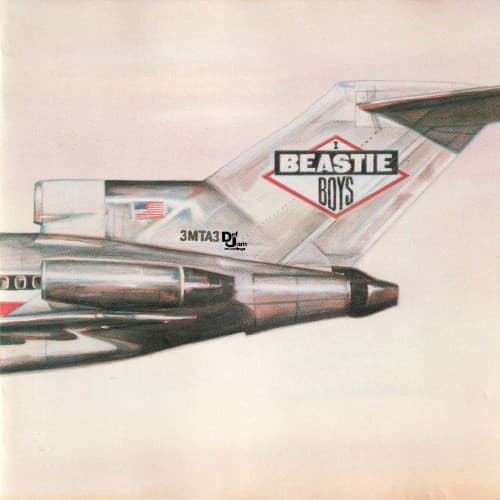
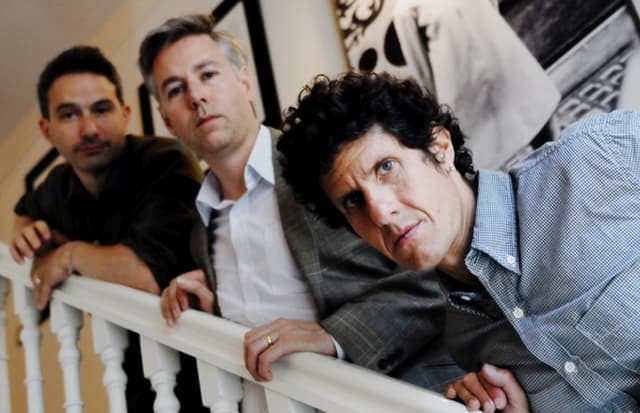
The Beastie Boys arrived in 1986 as an unlikely phenomenon — three white kids from New York with punk rock roots who somehow convinced the world they belonged in hip-hop. What could have been a novelty act became a three-decade journey through musical reinvention, with Adam Yauch (MCA), Michael Diamond (Mike D), and Adam Horovitz (Ad-Rock) transforming from bratty provocateurs into respected innovators who helped define what hip-hop could become. Their debut Licensed to Ill became the first rap album to top the Billboard 200, but the group spent the next two decades running from that commercial breakthrough, systematically dismantling and rebuilding their sound with each release.
Formed initially as a hardcore punk band in 1979, the group's pivot to hip-hop wasn't a calculated genre exercise — it emerged from New York's downtown scene where punk, hip-hop, and art collided without regard for boundaries. Producer Rick Rubin recognized something combustible in their energy, pairing their irreverent delivery with Led Zeppelin samples and distorted guitars to create a sound nobody had heard before. But the frat-boy image that sold millions of records became a cage the group spent years escaping, eventually establishing themselves as sample-craft masters, live instrumentalists, and cultural progressives whose influence extends far beyond their chart positions.
What makes the Beastie Boys historically significant isn't just their commercial success or their role in bringing hip-hop to suburban audiences — it's their relentless commitment to musical evolution. They moved from Def Jam's boom-bap to Dust Brothers' kaleidoscopic sampling, from lo-fi punk-funk experiments to sophisticated instrumental arrangements. They became producers, built their own studio, and created a template for artistic independence that influenced everyone from Kanye West to Tyler, the Creator.
Sonic Evolution: From Guitar Riffs to Sample Architecture
The early Beastie Boys sound was deceptively simple — Rick Rubin's stripped-down production, massive drum breaks, and audacious rock sampling created a bridge between two worlds that weren't supposed to meet. Licensed to Ill was deliberately confrontational, with "Fight for Your Right" and "No Sleep Till Brooklyn" leaning heavily on guitar riffs that felt more like Aerosmith than Afrika Bambaataa. The group's vocal approach was equally raw: three distinct voices trading lines in a call-and-response style borrowed from Run-DMC but delivered with punk's sneering attitude. This wasn't technically sophisticated rap — no intricate wordplay or complex rhyme schemes — but the energy was undeniable.
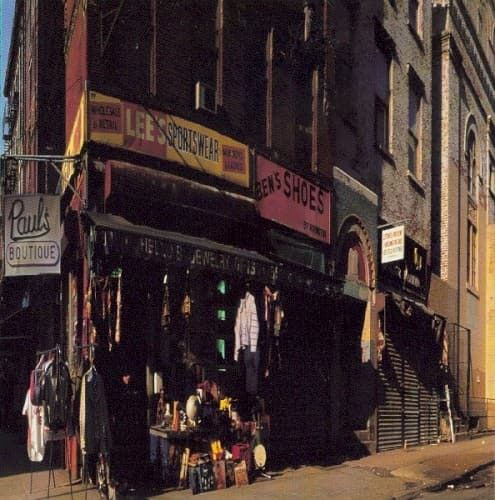
Everything changed with Paul's Boutique in 1989. Working with the Dust Brothers, the group created a sample-dense masterpiece that layered dozens of references into every track, building psychedelic soundscapes that required multiple listens to decode. The production was maximalist where Licensed to Ill had been minimalist, weaving together funk breaks, classic rock, jazz, and pop culture snippets into something that felt like flipping through every radio station simultaneously. The vocal delivery became more conversational, less aggressive, with the three voices weaving together in increasingly complex patterns. This album essentially invented alternative hip-hop's production aesthetic, even if commercial audiences weren't ready for it.
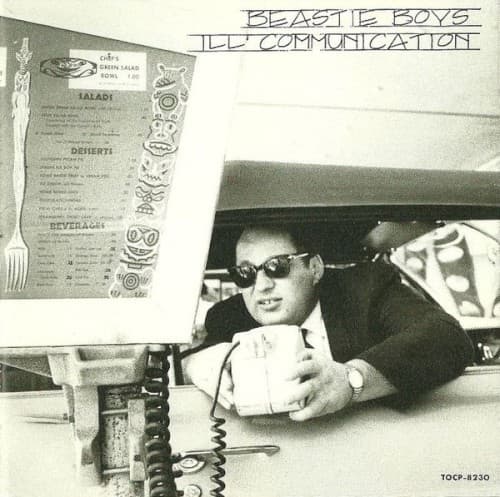
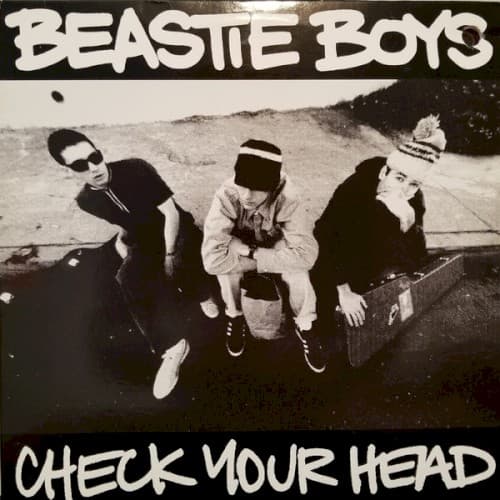
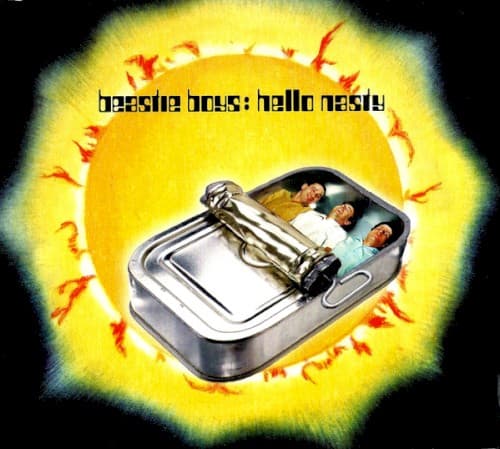
By the mid-90s, the Beastie Boys had become legitimate instrumentalists, playing their own bass lines, drums, and keyboards on tracks like "Sabotage" and "Sure Shot." Check Your Head and Ill Communication blended live instrumentation with sampling, creating a punk-funk hybrid that felt organic rather than constructed. The production became dirtier, looser, more interested in groove than technical perfection. Later albums like Hello Nasty incorporated electronic elements and global influences, while To the 5 Boroughs and Hot Sauce Committee returned to more traditional hip-hop structures but filtered through decades of experimentation. The group's willingness to sound messy, to prioritize feel over polish, gave them a sonic signature that remained identifiable even as they hopscotched between genres.
Three Decades of Reinvention: The Beastie Boys Career Arc
The origin story is almost too perfect: three Jewish kids from middle-class New York families form a hardcore punk band, open for Bad Brains and the Dead Kennedys, then meet Rick Rubin and Russell Simmons at a time when hip-hop is still a largely underground phenomenon. Their early rap tracks were jokes, parodies of the b-boy culture they observed downtown. But "Rock Hard" and "She's on It" caught Rubin's attention, leading to a Def Jam deal in 1985 that nobody could have predicted would reshape popular music. The recording of Licensed to Ill was loose and chaotic — Rubin sampled whatever sounded massive, the group wrote lyrics that were deliberately juvenile, and somehow the combination clicked with an audience far beyond hip-hop's core.
Licensed to Ill sold over nine million copies and made the Beastie Boys both famous and infamous. Their 1987 tour became notorious for stage props like a giant hydraulic penis and crowds of fraternity kids treating the group's ironic anthems as literal lifestyle instructions. The backlash was swift — critics dismissed them as culture vultures, hip-hop purists questioned their authenticity, and the group themselves grew uncomfortable with the monster they'd created. The split from Def Jam and move to Capitol Records in 1988 allowed for reinvention. Paul's Boutique was their response to success: a commercial failure that sold only a fraction of their debut but established their credibility as serious artists. The album's lack of hit singles was almost deliberate, a middle finger to expectations.
The 90s saw the group settle into a pattern of creative risk-taking that somehow maintained commercial viability. Check Your Head in 1992 surprised everyone by incorporating live instruments and returning to their punk roots, while Ill Communication in 1994 gave them their second number-one album with "Sabotage" becoming an MTV staple despite its deliberately abrasive sound. They built their own G-Son Studios, started their own label Grand Royal, and published a magazine, establishing a DIY model that predated modern artist independence by decades. Hello Nasty in 1998 brought electronic influences and won Grammys, proving the group could evolve without losing their audience.
Adam Yauch's growing interest in Buddhism and Tibetan independence transformed the group's public image from bratty provocateurs to politically engaged artists. The Tibetan Freedom Concerts they organized in the late 90s brought activism into their brand without feeling forced or opportunistic. Their later albums — To the 5 Boroughs responding to post-9/11 New York, the playful Hot Sauce Committee Pt. 2 released in 2011 — felt less essential but maintained quality. Yauch's death from cancer in 2012 ended the group definitively. Diamond and Horovitz have honored his memory by refusing to continue as the Beastie Boys, preserving the trio's integrity rather than touring as a nostalgia act.
Cultural Influence: How the Beastie Boys Redefined Hip-Hop's Possibilities
The Beastie Boys' legacy is complicated and far-reaching. They proved hip-hop could cross racial and cultural boundaries without losing its essence, though their success also opened doors for less thoughtful white rappers who lacked their respect for the culture. Their influence on production is undeniable — Paul's Boutique's sample layering technique directly influenced everyone from DJ Shadow to Madlib, while their willingness to play live instruments helped birth the jam-band hip-hop hybrid that groups like The Roots would perfect. Artists as diverse as Eminem, Kanye West, and Tyler, the Creator have cited them as inspirations, not for their rapping technique but for their fearless approach to genre-blending and creative independence.
Their model of artistic evolution — rejecting commercial pressure, building their own infrastructure, constantly reinventing their sound — became a blueprint for hip-hop independence. Jay-Z's Roc-A-Fella Records, Kanye's G.O.O.D. Music, and Tyler's Odd Future all echo the DIY ethos the Beastie Boys established with Grand Royal. Their instrumental albums and side projects proved rappers didn't need to stay in one lane, that musical curiosity was an asset rather than a distraction. The fact that they could release The In Sound from Way Out, an all-instrumental album, and have it accepted by their fanbase opened creative possibilities for the genre.
Critically, they've been reassessed upward over time. Licensed to Ill was initially dismissed as novelty rap but now sits comfortably in greatest-albums-of-all-time lists. Paul's Boutique went from commercial disappointment to widely recognized masterpiece. The group was inducted into the Rock and Roll Hall of Fame in 2012, one of the first hip-hop acts to receive that honor. Their 2018 memoir Beastie Boys Book became a bestseller, reminding a new generation of their cultural footprint. They remain one of the few groups whose entire discography commands respect, whose artistic journey feels coherent even as it zigzags across genres, and whose influence extends beyond music into fashion, publishing, and activist organizing.